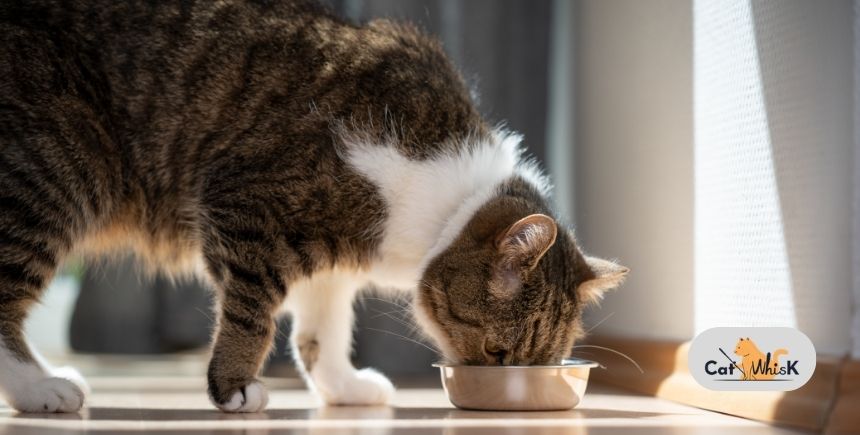

You adore your feline friend, but recently, you’ve noticed them scratching more than usual. Panic sets in as the dreaded thought crosses your mind—fleas.
You can’t help but wonder, if my cat has fleas, will I get them too? This question might keep you up at night, leaving you itching for answers. Understanding the potential risks is crucial not just for your cat’s well-being, but for your peace of mind and comfort as well.
Imagine a home where you and your pet coexist happily, free from the tiny pests that threaten your tranquility. We’ll explore whether those pesky fleas can jump from your cat to you, and more importantly, what you can do about it. Stick with us as we uncover the truth behind this common concern and provide you with practical solutions to keep both you and your furry companion flea-free.
Flea Transmission To Humans
Worried about those pesky fleas from your cat making their way to you? You’re not alone. Many cat owners share this concern, especially when they notice their furry friend scratching more than usual. Understanding how fleas can jump from your cat to humans is key to keeping your home itch-free.
Fleas are excellent jumpers, capable of leaping from your pet to you in seconds. While they prefer the warmth and fur of cats, they won’t hesitate to bite humans if given the chance. Flea bites can cause itching and irritation, similar to mosquito bites. If you notice small red spots on your skin, fleas might be the culprit.
Fleas can easily spread in your home. They often hide in carpets, bedding, and furniture, waiting for the next warm body to latch onto. It’s not just about keeping your cat flea-free; your entire home needs attention. Regular vacuuming and washing of linens can reduce their hiding spots and lower your risk of bites.
How Can You Protect Yourself?
Consider using flea treatment products not just for your pet, but also for your home. Look for sprays and powders designed to kill fleas in carpets and upholstery. These products can help break the flea life cycle and reduce infestations.
Check your cat regularly for fleas. A flea comb is a handy tool that can help you spot and remove fleas before they spread. If you find fleas, treating your cat promptly with vet-approved medications is crucial. Consistent treatment can prevent fleas from becoming a household problem.
Are You At Risk?
Some people may be more susceptible to flea bites than others. Children often play on floors where fleas hide, making them vulnerable. Pregnant women and those with allergies may also experience more severe reactions to bites. Knowing your risk level can help you take extra precautions.
Have you ever had to battle fleas in your home? What strategies worked best for you? Share your experience and insights with other readers in the comments below. Your tips might just help someone else win their fight against fleas!
Credit: www.walkervillevet.com.au
Preventing Flea Infestation
Cats with fleas can pass them to humans through contact. Fleas can bite, causing itchy skin irritation. Regular cleaning and treatment help prevent infestations.
Preventing flea infestation is crucial for both your feline friend and your household. Fleas are pesky little creatures that can cause significant discomfort and health issues. Not only do they irritate your cat, but they can also spread to your living space, causing potential bites and allergies for you and your family.
Identify Early Signs Of Fleas
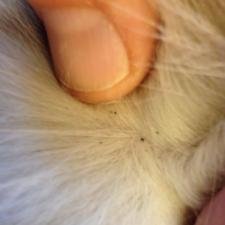
Spotting fleas early can save a lot of hassle. Check your cat for excessive scratching or biting. Look for tiny black specks, often referred to as flea dirt, in their fur. A flea comb can be a handy tool. Run it through your cat’s fur to catch fleas and their eggs. Early detection allows you to act quickly before the infestation worsens.
Maintain A Clean Environment
Your home’s cleanliness is pivotal in preventing flea infestations. Vacuum your floors, carpets, and furniture regularly. Pay special attention to areas your cat frequents. Consider washing pet bedding weekly in hot water. Cleanliness minimizes the risk of fleas settling in your home.
Use Preventative Products
There are various flea prevention products available. Spot-on treatments, flea collars, and oral medications are popular choices. Consult your vet for recommendations tailored to your cat’s needs. Choose products that offer long-lasting protection. This ensures your cat remains flea-free throughout the year.
Groom Your Cat Regularly
Regular grooming not only keeps your cat’s coat healthy but also helps in monitoring flea presence. Use a flea comb during grooming sessions to catch any unwanted visitors. Bathing can also be effective. Use a mild cat-friendly shampoo that targets fleas, but ensure your cat is comfortable with baths.
Consider Your Outdoor Environment
If your cat spends time outside, the risk of fleas increases. Keep your yard tidy and trimmed to reduce flea habitats. Consider using outdoor flea control products. These can create a barrier, reducing the chances of fleas hitching a ride on your cat.
Consult Your Veterinarian
Your vet can provide valuable insights and advice. They can recommend the best flea control methods suited for your cat and home. Regular check-ups can help catch any flea-related issues early. A proactive approach ensures your cat remains healthy and happy.
Have you ever wondered how a tiny insect can cause so much trouble? Taking these steps can make a huge difference in keeping your home and cat flea-free. Your efforts will ensure a comfortable environment for both you and your furry companion.
Safe Treatments For Pets And Home
Dealing with fleas can be unsettling for both pets and humans. Ensuring your home and pets are free from fleas is important. Safe treatments are essential to protect your cat and your living space. This guide will help you find effective solutions. Keep your home flea-free without harmful chemicals.
Safe Treatments For Cats
Use vet-approved flea treatments for your cat’s safety. Spot-on treatments work well. Apply them directly to the cat’s skin. Always read instructions before use. Oral medications are another option. These pills kill fleas from within. Consult your vet for the best choice.
Natural Remedies For Cats
Natural remedies can be effective. Use a flea comb to remove fleas manually. Bathe your cat with gentle, flea-repelling shampoo. Essential oils, like lavender, can deter fleas. Mix with water and spray lightly on your cat. Ensure oils are safe for pets.
Cleaning Your Home
Regular cleaning is crucial. Vacuum carpets and furniture frequently. Wash pet bedding in hot water. Use flea sprays designed for home use. These sprays target areas where fleas hide. Choose products safe for pets and people.
Preventive Measures
Prevention is key. Keep your yard tidy to avoid fleas. Mow grass regularly and remove debris. Ensure your pet avoids contact with stray animals. Regular flea checks can help catch infestations early. Maintain a clean environment to keep fleas at bay.

Credit: petfriendlybox.com

Credit: petfriendlybox.com
Frequently Asked Questions
How Likely Am I To Get Fleas From My Cat?
Fleas can jump from cats to humans easily. Regular pet grooming and home cleaning reduce the risk. Use flea treatments on pets and vacuum often to prevent infestations. If your cat has fleas, consult a vet for advice. Fleas can cause discomfort and allergic reactions in humans.
Do I Need To Treat My House If My Cat Has Fleas?
Yes, you should treat your house for fleas. Fleas can quickly spread and infest your home. Clean your home thoroughly. Use flea treatments like sprays, powders, or foggers to eliminate them. Regular vacuuming and washing pet bedding can help prevent re-infestation.
Always consult a vet for advice.
Am I Safe If My Cat Has Fleas?
Fleas on your cat can bite humans, causing itching and irritation. Regularly treat your cat for fleas. Clean your home and wash bedding to reduce flea risks. Consult a vet for effective flea control solutions.
Do Fleas From Cats Stay On Humans?
Cat fleas can bite humans but don’t live on them. They prefer feline hosts for feeding and breeding. Regular cleaning and pet care help prevent flea infestations. Use flea treatment products to protect your pets and home environment from fleas.
Conclusion
Cats with fleas can spread them to humans. It’s rare, but possible. Fleas prefer animals, yet can bite people too. Keeping your cat flea-free is crucial. Regular checks and treatments help prevent infestations. Clean your home to reduce flea risks.
Vacuum often and wash pet bedding. Consult a vet for effective flea control. Protecting your pet protects you. Understanding flea behavior aids in prevention. Stay informed and proactive. Fleas don’t have to be a big problem. Your cat’s health and comfort depend on it.
Keep your home flea-free for peace of mind.

Hi, I’m Taylor Morgan, the heart behind CATWhisk! As a lifelong cat enthusiast with a passion for feline care and behavior, I focus on providing reliable, practical, and engaging advice to cat parents everywhere. From health tips to fun DIY projects, my mission is to help you and your whiskered companions live your best lives together.