Imagine this: you’re gently petting your beloved cat, enjoying the soothing purrs, when suddenly you notice those pesky little specks—fleas! It’s enough to send shivers down your spine.
You’re not alone in this battle. Many cat owners face the same problem, and it can be incredibly frustrating. But don’t worry. You’re about to discover the secrets to banishing fleas from your cat’s life for good. In this guide, you’ll learn the most effective and safe methods to rid your furry friend of these annoying parasites, bringing peace back to your home.
Are you ready to transform your cat’s comfort and happiness? Let’s dive in and find out how you can make those fleas a thing of the past.
Identifying Fleas
Spotting fleas on a cat involves checking for small, dark insects in their fur. To eliminate them, use vet-approved treatments and maintain a clean environment. Regular grooming helps in early detection.
Identifying fleas on your cat can be a challenging task, but it’s a crucial step in ensuring your feline friend remains healthy and comfortable. Fleas are tiny, fast, and can easily blend into your cat’s fur, making them difficult to spot. Understanding what to look for and where to look can make this task easier and more efficient.
What Do Fleas Look Like?
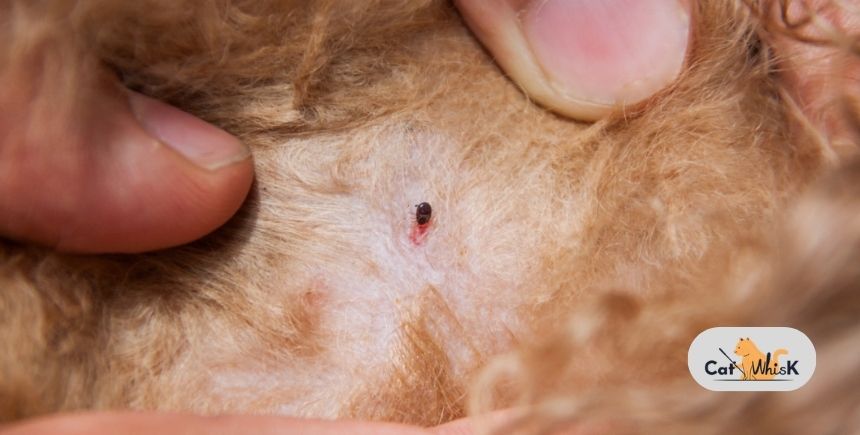
Fleas are small, brownish insects that often hide deep in your cat’s fur. They are about the size of a pinhead, making them hard to see with the naked eye. A magnifying glass might be your best friend in this situation, allowing you to spot these pesky critters more easily.
Spotting Flea Dirt
One of the telltale signs of fleas is flea dirt, which looks like tiny black specks. This is essentially flea feces, and it can be found in your cat’s fur or bedding. To confirm it’s flea dirt, place the specks on a damp paper towel. If they turn reddish-brown, it’s a sign your cat has fleas.
Scratching And Biting
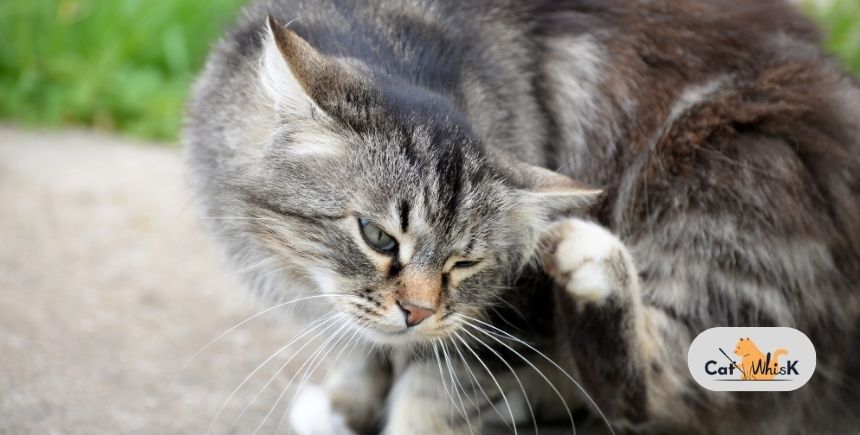
Is your cat scratching or biting itself more than usual? This could be an indication of fleas. Fleas bite your cat’s skin, causing irritation and discomfort. If you notice this behavior, it’s time to investigate further.
Checking For Fleas
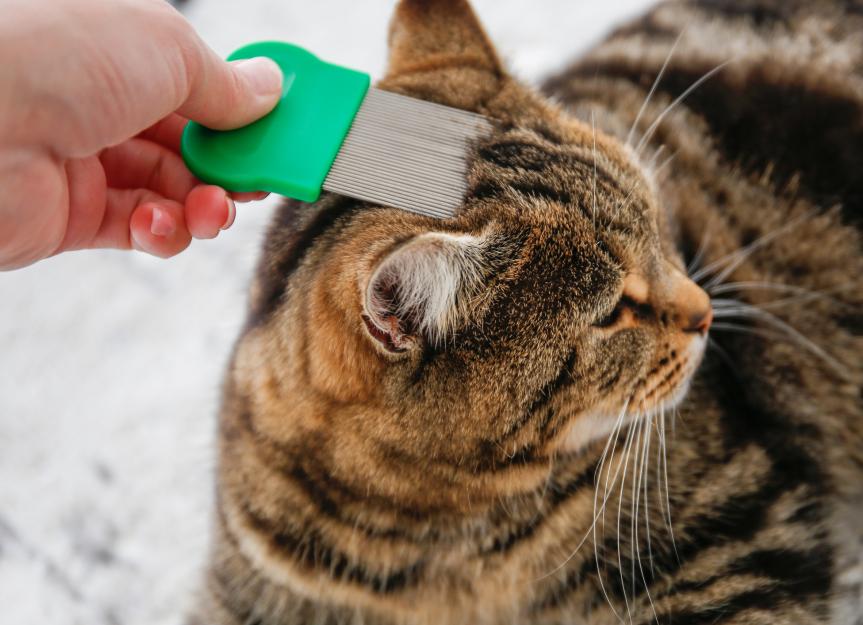
Use a fine-toothed flea comb to run through your cat’s fur. This will help you catch fleas and flea dirt. Focus on areas like the neck, tail, and belly where fleas like to hide. It’s a simple yet effective method to confirm your suspicions.
Observing Behavior Changes
Have you noticed any changes in your cat’s behavior? Lethargy or restlessness can also be signs of fleas. When your cat isn’t acting like itself, it’s worth taking a closer look to see if fleas might be the culprit. Identifying fleas quickly can make a big difference. The sooner you spot them, the sooner you can take action to rid your cat of these pesky intruders. Have you ever dealt with fleas on your cat? What methods did you find effective in identifying them? Your experiences could help other cat owners facing the same challenge.
Credit: www.petmd.com
Natural Remedies
Fleas can cause discomfort and health issues for your cat. Using natural remedies offers a safe way to tackle these pesky parasites. These methods reduce chemical exposure and help maintain your cat’s health. Let’s explore some simple yet effective natural solutions to rid your cat of fleas.
1. Apple Cider Vinegar
Apple cider vinegar can make fleas jump off your cat. Mix equal parts water and vinegar in a spray bottle. Gently mist your cat’s fur, avoiding the eyes. The smell will repel fleas without harming your cat.
2. Coconut Oil
Coconut oil can suffocate fleas. Rub a small amount into your cat’s fur. It will leave the coat shiny and make fleas uncomfortable. Coconut oil is safe if your cat licks it.
3. Lemon Spray
Lemons can naturally repel fleas. Slice a lemon and add it to boiling water. Let it steep overnight, then strain. Spray the solution on your cat’s fur to deter fleas.
4. Herbal Flea Collar
Create a natural flea collar using essential oils. Add a few drops of lavender or cedar oil to a cloth collar. These scents repel fleas effectively while being safe for your cat.
5. Diatomaceous Earth
Diatomaceous earth is a natural powder that kills fleas. Lightly sprinkle it on your cat’s fur. Leave it for a few hours before brushing it out. Ensure you use food-grade diatomaceous earth for safety.
6. Regular Combing
Flea combs help remove fleas manually. Comb your cat’s fur daily to catch fleas and their eggs. This simple routine reduces the flea population over time.
Preventative Measures
Preventing fleas on your cat is crucial to maintaining a healthy and happy pet. Just imagine the discomfort and irritation that fleas can cause. Fortunately, there are several preventative measures you can take to ensure your furry friend stays flea-free. Let’s explore some practical steps you can implement today.
Regular Grooming
Grooming your cat regularly is one of the simplest yet effective ways to prevent fleas. It not only keeps your cat’s coat clean but also helps you spot any signs of flea infestation early. A brush designed for cat fur can help remove loose fur and dirt, reducing the risk of fleas.
Use Flea Prevention Products
Consider using flea prevention products such as collars, topical treatments, or oral medications. These products are specifically designed to repel and kill fleas before they can become a problem. Consult your vet to find the best flea prevention product for your cat’s needs.
Keep Your Home Clean
Fleas often thrive in dirty environments. Maintaining a clean home is essential in preventing fleas. Vacuum carpets, wash pet bedding regularly, and clean areas where your cat spends most of its time. This reduces the chance of fleas making your home their own.
Outdoor Restrictions
Limiting your cat’s outdoor access can significantly reduce exposure to fleas. If your cat loves the outdoors, consider creating a safe, enclosed area. This way, your cat can enjoy the fresh air without the risk of encountering fleas.
Regular Vet Check-ups
Scheduling regular check-ups with your vet can help catch any flea issues early. Your vet can recommend appropriate treatments and provide advice tailored to your cat’s specific health needs. Regular visits ensure your cat stays healthy and flea-free.
When was the last time you checked your cat for fleas? Taking proactive steps not only helps your cat but also keeps your home comfortable. By staying vigilant, you can prevent fleas from becoming a nuisance in your life.

Credit: petfriendlybox.com

Credit: vetic.in
Frequently Asked Questions
What Is The Fastest Way To Get Rid Of Fleas On A Cat?
Use a flea comb to remove fleas manually. Bathe the cat with vet-approved flea shampoo. Apply topical flea treatments as recommended by your veterinarian. Vacuum and clean your home thoroughly to eliminate fleas. Consult your vet for further advice and effective treatments.
Can Cat Fleas Transfer To Humans?
Cat fleas can bite humans, causing irritation and itching. They typically prefer animal hosts. Maintaining a clean environment and using flea prevention methods help reduce risks. Regularly treat pets and vacuum your home to prevent flea infestations. Consult a veterinarian for effective flea control solutions.
Does Dawn Dish Soap Kill Fleas?
Yes, Dawn dish soap can kill fleas on pets by breaking down their exoskeletons. Wet your pet, apply soap, lather, and rinse thoroughly. It is a temporary solution and does not prevent future infestations. Always consult your vet for long-term flea control options.
What Kills Fleas Naturally On Cats?
Use diluted apple cider vinegar spray to kill fleas naturally on cats. Regularly bathe cats with gentle, natural shampoo. Maintain a clean environment by vacuuming frequently and washing bedding. Flea combs help remove fleas and eggs effectively. Consider using diatomaceous earth around home areas for added flea control.
Conclusion
Getting rid of fleas on a cat requires patience and care. Start by using vet-approved treatments. Regular grooming helps detect fleas early. Clean your cat’s bedding frequently. Vacuum your home to remove flea eggs and larvae. Keep your yard tidy to prevent fleas outside.
Consistent effort brings the best results. Consult a vet for persistent flea problems. A flea-free cat is a happy cat. Remember, prevention is always better than cure. Maintain good hygiene for your cat and home. This ensures a healthy environment for everyone.
Happy flea-free days!

Hi, I’m Taylor Morgan, the heart behind CATWhisk! As a lifelong cat enthusiast with a passion for feline care and behavior, I focus on providing reliable, practical, and engaging advice to cat parents everywhere. From health tips to fun DIY projects, my mission is to help you and your whiskered companions live your best lives together.