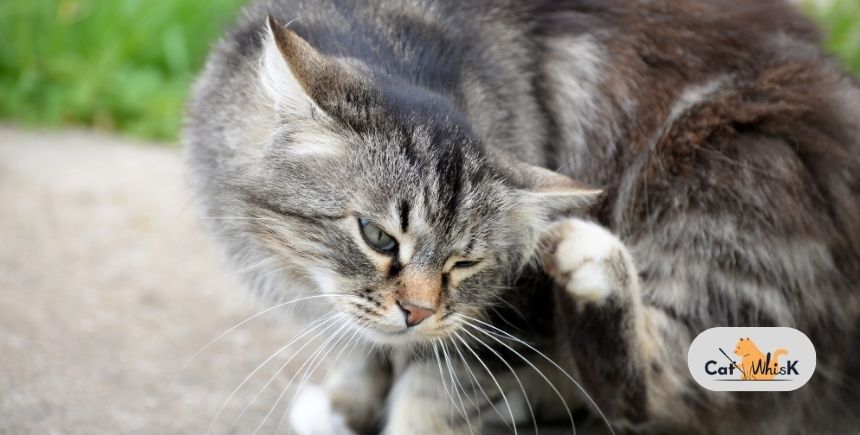
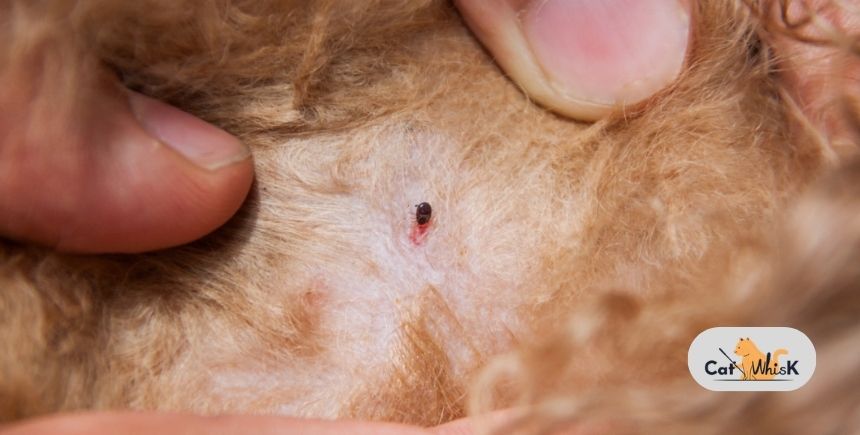
Imagine you’re petting your beloved cat, and you spot something moving in its fur. Could it be fleas?
If your cat has fleas, you might wonder if they’ll invade your home too. This thought can send shivers down your spine. You want to keep your home clean and safe, but the idea of fleas jumping around can feel overwhelming.
Don’t worry; you’re not alone. Many cat owners face this exact concern. In this post, we’ll explore what happens when your cat has fleas and how it might affect your living space. Stick around to learn how to protect your home and ensure peace of mind.
Signs Of Fleas In Your Home
Fleas often spread from your cat to the house, hiding in carpets and furniture. Tiny black specks and bites on skin indicate their presence. Regular cleaning and treatment help control the infestation.
Are you worried that your cat’s fleas might be hiding in your home? If your feline friend is scratching more than usual, it’s time to check your home for signs of a flea infestation. Identifying these unwelcome guests early can save you from a bigger headache down the road. Let’s uncover the signs that might indicate fleas have made your home their own.
1. Flea Dirt Around Your Home
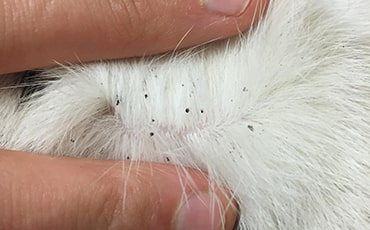
Flea dirt, which resembles ground pepper, is often the first sign of fleas. Look for small black specks on your pet’s bedding, carpet, or furniture. A simple test is to sprinkle these specks on a damp paper towel. If they turn reddish-brown, it’s flea dirt.
2. Fleas In The Carpet
Fleas love to hide in carpets. Run a comb through your carpet and inspect it closely for fleas or flea dirt. Consider vacuuming regularly and using a flea spray designed for carpets.
3. Pets Scratching More Than Usual
If your pets are scratching excessively, it could be more than just dry skin. Fleas bite and leave your pets feeling itchy. Pay attention to areas like the back, neck, and tail where fleas often congregate.
4. Flea Bites On Humans
Fleas don’t discriminate; they’ll bite humans too. Check for small, red, itchy bumps, especially around your ankles and lower legs. These bites are usually grouped together and can be quite irritating.
5. Fleas Jumping On Curtains Or Upholstery
Fleas are excellent jumpers, and you might spot them on your curtains or upholstery. A thorough inspection of these areas can reveal tiny insects hopping around. Regular cleaning and vacuuming can help keep them at bay.
6. Flea Eggs On Pet Bedding
Flea eggs are tiny and often white, making them hard to spot. Examine your pet’s bedding for small, oval-shaped eggs. Washing the bedding in hot water can kill these eggs and prevent further infestation. Have you noticed any of these signs in your home? If so, it might be time to take action. Fleas can multiply quickly, and addressing the problem early is crucial. What steps can you take to ensure your home remains flea-free?

Credit: petfriendlybox.com
Preventing A Flea Infestation
When a cat has fleas, they often find their way into the house. This can lead to a full-blown infestation if not addressed quickly. Fleas are tiny pests, but their impact is significant. They reproduce fast and spread throughout the home. It’s essential to take proactive steps to prevent them from taking over.
Regular Cleaning
Vacuum carpets and rugs frequently. Pay attention to areas where the cat spends time. This helps remove flea eggs and larvae. Wash pet bedding weekly in hot water. Clean furniture and curtains regularly to eliminate hiding spots.
Use Flea Prevention Products
Apply flea collars or topical treatments on your cat. Consider oral medications that prevent fleas. Consult a veterinarian for the best options. Ensure products are safe and effective.
Maintain Yard Cleanliness
Trim grass and shrubs around the house. Remove debris and fallen leaves. Keep outdoor areas tidy to reduce flea habitats. This limits flea access to your home.
Regular Pet Grooming
Brush your cat often to check for fleas. Bathe them using vet-approved shampoos. Grooming helps in early detection. It keeps fur clean and flea-free.
Seal Entry Points
Inspect windows and doors for gaps. Seal any openings to prevent fleas from entering. Use screens and weather stripping for added protection. A secure home deters flea invasion.
Effective Flea Removal Strategies
Dealing with fleas in the house can be frustrating. These tiny pests multiply quickly and hide in various places. Effective strategies are crucial for eliminating them once they have invaded your home. Understanding these strategies helps in maintaining a flea-free environment.
Vacuum Regularly And Thoroughly
Use a powerful vacuum cleaner on carpets and furniture. This helps remove fleas and their eggs. Pay attention to corners and crevices. Fleas often hide in these hard-to-reach areas.
Wash Bedding And Fabric Items
Hot water kills fleas and their larvae. Wash your pet’s bedding weekly. Do the same for your own sheets and pillowcases. This reduces the flea population significantly.
Use Flea Sprays And Powders
Flea sprays can target various surfaces effectively. Apply them to floors, carpets, and upholstery. Flea powders can be sprinkled on carpets to kill fleas over time. Always follow the instructions carefully.
Employ Natural Remedies
Natural remedies can be effective and safe. Diatomaceous earth is a good option. It dehydrates and kills fleas. Sprinkle it around pet areas. Essential oils like lavender can repel fleas naturally.
Consider Professional Pest Control
If fleas persist, professional help may be necessary. Pest control experts have specialized equipment. They can treat large infestations effectively. This ensures a thorough removal of fleas from your home.
Keep Your Pet Flea-free
Regular flea treatments for your cat are essential. Use flea collars or topical treatments. Groom your cat often to spot fleas early. A flea-free pet means fewer chances of fleas in your house.
Credit: www.pdsa.org.uk

Credit: 4njpest.com
Frequently Asked Questions
Do I Need To Wash My Sheets If My Cat Has Fleas?
Yes, wash your sheets to remove fleas and their eggs. Use hot water for effective cleaning. Regularly vacuum your home to minimize flea infestation. Treat your cat with flea medication to prevent reoccurrence. Clean all pet bedding and areas where your cat frequently rests to ensure a flea-free environment.
Is It Okay To Sleep With My Cat If She Has Fleas?
Sleeping with a cat that has fleas is not recommended. Fleas can bite humans and spread diseases. Ensure your cat receives flea treatment. Consider washing bedding frequently and vacuuming to manage flea infestation. Prioritize your health and your cat’s comfort by keeping your sleeping spaces separate until fleas are controlled.
How Can You Tell If Your Indoor Cat Has Fleas?
Check for excessive scratching, biting, or grooming. Look for tiny black specks (flea dirt) on the skin. Use a flea comb to find fleas or their eggs. Examine bedding for signs of fleas. Consult a vet if you suspect an infestation.
How To Clean A House After A Cat Has Fleas?
Vacuum carpets and furniture thoroughly to remove flea eggs and larvae. Wash pet bedding in hot water. Use a flea spray or powder on surfaces. Clean floors with a steam cleaner. Treat pets with vet-recommended flea medication. Regularly check for fleas to ensure they are fully eliminated.
Conclusion
Fleas in cats often mean fleas in the house. They spread quickly. Regular cleaning and vacuuming help control them. Wash your pet’s bedding often. Use flea treatments for your cat. This reduces the chance of an infestation. Keep an eye out for scratching.
Spot the signs early. Act fast to prevent bigger problems. Consult a vet for advice. They offer the best solutions. Protect your cat and home from fleas. A little effort goes a long way. Stay vigilant and maintain a flea-free environment.
Your home can be comfortable for both you and your pet.

Hi, I’m Taylor Morgan, the heart behind CATWhisk! As a lifelong cat enthusiast with a passion for feline care and behavior, I focus on providing reliable, practical, and engaging advice to cat parents everywhere. From health tips to fun DIY projects, my mission is to help you and your whiskered companions live your best lives together.