

Last Updated on February 18, 2026
You love your cat and want the best for them, but sometimes they can’t tell you when something’s wrong. Worms are a common issue for cats, and knowing the signs can make all the difference.
Have you noticed your feline friend acting a little off lately? Maybe they’re not as playful, or you’ve spotted some odd signs in their litter box. These could be indicators that your cat has worms. But don’t worry—you’re not alone, and there’s plenty you can do to help.
You’ll discover the telltale signs of worms in cats and how you can protect your pet’s health. Keep reading to learn how to keep your cat healthy and happy.
Contents
Common Symptoms
Worms are common in cats, and they can cause several health issues. Knowing the symptoms helps you take action quickly. Cats often show specific signs when they have worms. These signs are easy to spot if you know what to look for.
1. Loss Of Appetite
Cats with worms may eat less than usual. A sudden drop in appetite is a red flag. Monitor your cat’s eating habits closely.
2. Weight Loss
Even with normal eating, a cat can lose weight if it has worms. This happens because worms steal nutrients from your cat’s body. Regular weight checks can help you notice this sign.
3. Vomiting
Worms can irritate your cat’s stomach, causing vomiting. Sometimes, you might even see worms in the vomit. This is a clear sign that your cat needs help.
4. Diarrhea
Cats with worms often have diarrhea. The stool may also contain blood or mucus. This symptom leads to dehydration, so it’s important to act fast.
5. Bloated Stomach
A bloated stomach is another common symptom. It can make your cat look heavier than usual. This symptom is especially noticeable in kittens.
6. Lethargy
A worm-infested cat may seem more tired than usual. They may sleep more and play less. This change in behavior is something to watch for.
7. Dull Coat
Your cat’s fur might lose its shine. A dull, dry coat often signals a health issue. Worms can affect how well your cat absorbs nutrients.
8. Scooting
If your cat drags its bottom along the ground, this could mean worms. This behavior usually indicates irritation in the anal area. Watch for this unusual activity.
Credit: www.vetsupply.com.au
Types Of Worms
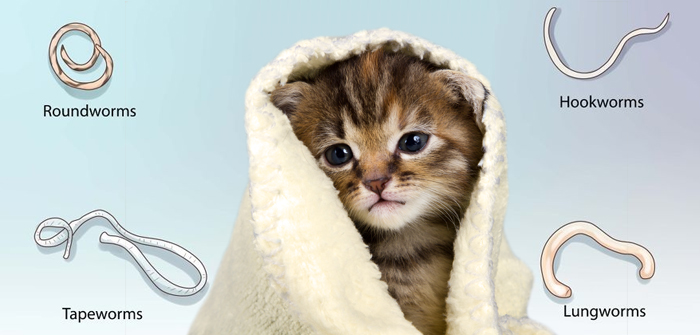
Cats can get worms like tapeworms, roundworms, and hookworms. Signs include vomiting, weight loss, and diarrhea. Regular vet check-ups help catch these early.
Cats are curious creatures, and their adventures can sometimes lead them to unwanted guests: worms. Knowing the types of worms that can affect your feline friend is crucial in keeping them healthy. Let’s explore the different types of worms that might be causing your cat discomfort and how you can identify them.
Roundworms
Roundworms are the most common type found in cats. These parasites resemble spaghetti and can be quite long. You might notice your cat losing weight or appearing bloated. Pay attention to their stool; you might spot these worms there.
Tapeworms
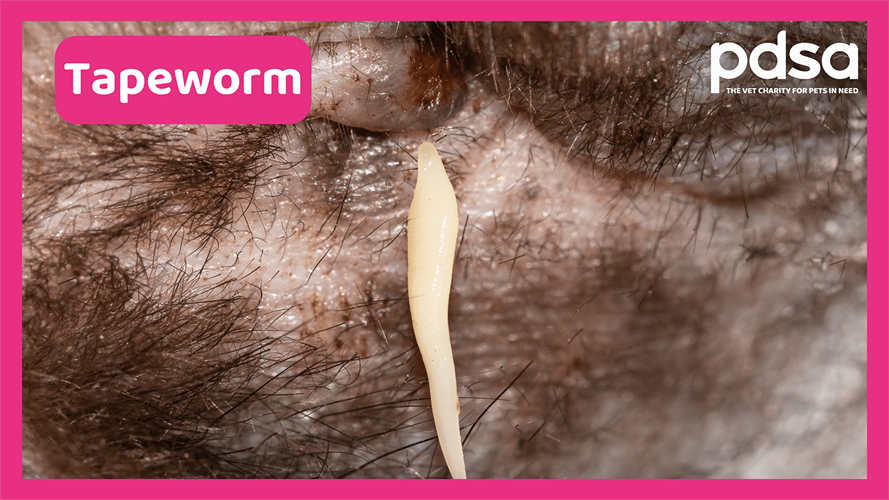
Tapeworms are segmented parasites that live in the intestines. They often appear like grains of rice near your cat’s rear or in their bedding. If your cat is scratching more than usual, tapeworms might be the culprit.
Hookworms
Though less common, hookworms are dangerous due to their blood-sucking nature. They can cause anemia in cats. If your feline is lethargic or has pale gums, consider a vet visit to rule out hookworms.
Heartworms
Heartworms are transmitted through mosquito bites and are more common in dogs. However, cats are not immune. Symptoms can include coughing and difficulty breathing. While preventive measures are available, early detection is key.
Lungworms
Lungworms target the respiratory system, causing coughing and wheezing. If your cat has been outdoors frequently, they could be at risk. Keep an eye on their breathing patterns for any changes. As you observe your cat, ask yourself: is their behavior normal? Are they displaying any signs of distress? Taking note of the subtle changes can lead to early detection and treatment. Your vigilance is their best defense against these unwanted invaders.
Treatment Options
Discovering that your cat has worms can be concerning. Treating these parasites is crucial for your cat’s health. Understanding the options available helps you make an informed choice. Worms can cause discomfort and health issues. It’s essential to act promptly.
Prescription Medications
Veterinarians often prescribe medications to eliminate worms. These drugs are effective against various types of worms. They are safe and tailored to your cat’s needs. Follow the vet’s instructions for best results. Regular check-ups ensure the treatment is working.
Over-the-counter Solutions
Many pet stores offer worm treatments. These are convenient and accessible. They come in different forms, such as tablets or liquids. Always read the labels carefully. Choose a product suited for your cat’s age and weight. Consult your vet before using them.
Natural Remedies
Some owners prefer natural options. Ingredients like pumpkin seeds and coconut oil may help. These remedies are gentle and have fewer side effects. Be cautious and research thoroughly. Discuss with your vet to ensure safety for your cat.
Preventative Measures
Prevention is better than cure. Regular deworming prevents infestations. Maintain a clean environment for your cat. Keep litter boxes and feeding areas tidy. Avoid contact with unknown animals. Regular vet visits keep your cat healthy.

Credit: www.wikihow.com
Credit: www.pdsa.org.uk
Frequently Asked Questions
What Are The Symptoms Of Worms In A Cat?
Cats with worms may show symptoms like vomiting, diarrhea, weight loss, and a bloated stomach. You might notice worms in their feces or around the anus. Increased hunger and dull coat are also signs. Regular vet check-ups can help diagnose and treat worm infestations effectively.
How Do You Check Your Cat For Worms?
Check your cat for worms by examining its feces for white, rice-like segments. Look for signs like weight loss, bloated stomach, or vomiting. Consult a vet for proper diagnosis and treatment. Regular vet check-ups and deworming prevent infestations. Ensure your cat’s litter box is clean to avoid infections.
Can I Deworm My Cat Myself Without A Vet?
You can deworm your cat at home using over-the-counter medications. Consult a vet for proper dosage and advice. Always follow instructions on the product label to ensure safety and effectiveness. Regular deworming is important for your cat’s health.
How Long Can A Cat Have Worms Without You Knowing?
Cats can have worms for weeks or months without visible symptoms. Regular vet check-ups and fecal tests help detect them early. Watch for signs like weight loss, vomiting, or bloated stomach. Early detection and treatment prevent health complications and ensure your cat stays healthy.
Conclusion
Spotting worms in cats is crucial for their health. Pay attention to signs like weight loss, vomiting, or diarrhea. Regular vet check-ups help catch worms early. Use prescribed treatments to keep your cat healthy. Maintain a clean environment to prevent infections.
Always consult your vet for advice on prevention. Your cat deserves a healthy, worm-free life. Stay informed and proactive. This ensures your furry friend stays happy and safe. By understanding these basics, you can take better care of your cat.
Remember, a healthy cat means a happy cat owner too.

Hi, I’m Taylor Morgan, the heart behind CATWhisk! As a lifelong cat enthusiast with a passion for feline care and behavior, I focus on providing reliable, practical, and engaging advice to cat parents everywhere. From health tips to fun DIY projects, my mission is to help you and your whiskered companions live your best lives together.