Last Updated on July 5, 2026
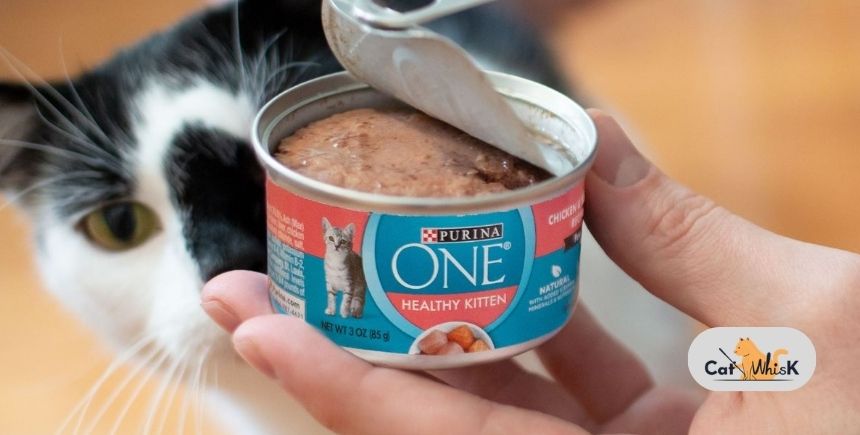
Imagine this: You’ve just opened a fresh can of your cat’s favorite wet food. You watch them devour a few bites, then walk away, leaving a half-empty bowl behind.
Now you’re left wondering, how long can that wet cat food actually sit out before it’s no longer safe for your furry friend? As a cat owner, you want to provide the best care, but with so many conflicting opinions out there, it’s hard to know what’s right.
This article will unravel the mystery and give you the confidence to make the best choices for your cat’s health. Stick around to discover the surprising facts and simple tips that will keep your feline happy and healthy. Your cat deserves the best, and understanding the safe handling of their food is a great place to start.

Credit: neakasa.com
Factors Influencing Shelf Life
Understanding how long wet cat food can sit out is crucial. Several factors influence its shelf life. Ensuring your feline friend enjoys fresh and safe meals is important. Below are key factors that determine how long wet cat food remains good.
1. Temperature
Temperature significantly affects wet cat food’s shelf life. Warm environments promote bacterial growth. Food left out in the sun spoils faster. Always store wet food in a cool, dry place.
2. Humidity
High humidity levels speed up spoilage. Moist air helps bacteria multiply quickly. Store wet cat food in airtight containers. This prevents exposure to humid conditions.
3. Container Type
The type of container affects food freshness. Metal cans protect food better than plastic. Once opened, transfer food to a sealed container. This keeps it fresher longer.
4. Ingredient Quality
High-quality ingredients last longer. They resist spoilage better than low-quality ones. Check the ingredient list before buying. Choose products with fewer preservatives.
5. Brand And Manufacturing Process
Different brands use different methods. Some use more preservatives than others. These preservatives extend shelf life. Learn about the brand’s reputation and processes.
6. Time Of Opening
Once the can is opened, the clock starts ticking. Food left out for more than two hours should be discarded. Refrigerate unused portions immediately.

Credit: neakasa.com
Health Risks Of Leftover Wet Food
Wet cat food left out too long can spoil and become harmful. Bacteria thrive in moist environments. Limit exposure to two hours to ensure your cat’s health and safety.
Wet cat food is a delightful treat for your feline friend, but leaving it out for too long poses serious health risks. Cats are sensitive creatures, and even minor food spoilage can lead to health issues. Knowing the dangers of leftover wet food can help you keep your cat safe and healthy.
What Happens When Wet Food Sits Out?
Wet cat food is a breeding ground for bacteria once exposed to air. In just a couple of hours, harmful bacteria can multiply. This can lead to food poisoning, causing symptoms like vomiting or diarrhea in your cat. Consider how quickly your cat consumes its meal. If your pet tends to nibble over hours, you might be unwittingly putting its health at risk. It’s essential to monitor the time food remains uneaten.
Recognizing Spoiled Wet Food
Spoiled wet food often has a distinct, unpleasant odor. You might notice it smells off or sour compared to fresh wet food. Additionally, the texture might change, becoming slimy or overly dry. Even if your cat doesn’t seem to mind, it’s crucial to trust your senses. Would you eat something that smells bad? Probably not. The same rule applies to your cat’s food.
Impact On Your Cat’s Health
Feeding your cat spoiled food can lead to digestive upset. If your cat frequently experiences diarrhea or vomiting, it might be time to look at its feeding habits. Repeated exposure to bad food can weaken your cat’s immune system over time. You want your pet to thrive, not just survive. Keeping an eye on food freshness is a simple way to support your cat’s health.
How Can You Prevent These Risks?
Set a timer when you serve wet food. Most experts agree that wet food shouldn’t sit out for more than two hours. If your cat hasn’t finished by then, it’s safer to dispose of the leftovers. Consider using smaller servings. This reduces waste and ensures your cat is eating fresh food every time. You can always offer more if needed. Are you keeping an eye on your cat’s eating habits? A small change in routine can make a big difference.
Tips For Safe Food Handling
Feeding your cat wet food can be a rewarding way to ensure they get the nutrition they need. But how long can that tempting dish sit out before it turns into a health hazard? Understanding safe food handling practices can make all the difference in keeping your furry friend healthy and happy.
It’s easy to forget that cats rely on us to make their meals safe. Here are some straightforward tips to help you manage their food efficiently.
Check The Time
Wet cat food shouldn’t be left out for more than two hours. After this, bacteria can start to grow, making the food unsafe for your cat to eat.
Ever noticed how your cat sniffs their food before eating? It’s their way of checking if it’s still fresh. Don’t rely solely on their instincts; set a timer if you need to.
Use Small Portions
Offering smaller servings helps prevent waste and ensures your cat eats fresh food. Consider your cat’s appetite and adjust portions accordingly.
Think of it as serving a perfect portion of pasta to someone who’s just had lunch. You wouldn’t heap their plate, right? The same goes for your feline friend.
Opt For Refrigeration
If your cat doesn’t finish their meal, refrigeration can keep the food fresh. Store leftovers in an airtight container, and serve them within the next 24 hours.
Imagine storing half of a delicious cake for later. You wouldn’t just leave it on the counter, would you? Treat your cat’s food with the same respect.
Clean Bowls Regularly
Food residue can attract bacteria, so wash bowls after each meal. Clean bowls mean less chance of contamination.
Think of it this way: you wouldn’t eat off a dirty plate, so why should your cat? Ensuring clean dishes can prevent illness and keep your cat’s dining experience pleasant.
Observe Your Cat
Pay attention to how your cat reacts to their food. If they seem disinterested or unwell, the food might be spoiled.
Would you eat something that smells off? Neither would your cat. Trust their instincts and be vigilant about their health.
How do you handle your cat’s wet food? Have these tips sparked new ideas for you? Share your thoughts and experiences below!

Credit: www.kinship.com
Frequently Asked Questions
How Long Can Wet Cat Food Sit Out Before It Goes Bad?
Wet cat food can sit out for 1-2 hours before it spoils. Bacteria grow quickly in warm environments. Always store uneaten food in the refrigerator to keep it fresh and safe for your cat. Discard any leftovers that have been sitting out beyond this time to ensure your cat’s health.
Can I Give My Cat Wet Food If I Left It Open Over Night?
It’s unsafe to feed your cat wet food left open overnight. Bacteria can grow, causing spoilage and potential illness. Always store wet food in the fridge and use it within 24 hours. Ensure your cat’s food is fresh for their health and well-being.
What Happens If My Cat Eats Old Wet Food?
Old wet food can cause digestive issues in cats. They may experience vomiting or diarrhea. Bacteria in spoiled food could lead to food poisoning. Monitor your cat for any symptoms and consult a veterinarian if necessary. Always ensure food is fresh to keep your cat healthy.
What Is The 25 Rule For Cat Food?
The 25 rule states that cat food labeled with an ingredient must contain at least 25% of that ingredient. For example, “chicken dinner” must have at least 25% chicken in it. This regulation ensures transparency and helps pet owners choose food based on specific nutritional content.
How Long Can Wet Cat Food Be Left Out?
Wet cat food can sit out for 1-2 hours. After that, it spoils.
Conclusion
Wet cat food shouldn’t sit out too long. After two hours, it spoils. Bacteria can grow quickly. Your cat might get sick. Always check the food’s freshness. A good habit is serving small portions. This way, it won’t waste. Refrigerate leftovers promptly.
Keep your cat healthy by ensuring fresh meals. Clean bowls regularly to prevent germs. Cats deserve the best care. Proper food handling is crucial. Be mindful of the time food sits out. It keeps your pet safe and happy. Remember, fresh is always better for your furry friend.

Hi, I’m Taylor Morgan, the heart behind CATWhisk! As a lifelong cat enthusiast with a passion for feline care and behavior, I focus on providing reliable, practical, and engaging advice to cat parents everywhere. From health tips to fun DIY projects, my mission is to help you and your whiskered companions live your best lives together.