
Last Updated on July 5, 2026
Ever found yourself wondering how long it takes for your cat to digest wet food? You’re not alone.
As a caring pet owner, you want the best for your feline friend, ensuring they have a happy and healthy life. Understanding their digestive process is a crucial part of that. Digestion might seem like a simple topic, but it holds the key to your cat’s comfort and overall well-being.
Imagine knowing exactly when your cat is fully nourished and content after a meal. This knowledge can help you manage feeding times and monitor their health more effectively. Stick with us as we uncover the fascinating details of your cat’s digestion, and discover how it can enhance your furry companion’s life.
Cat Digestive Process
Cats typically take 12 to 24 hours to digest wet food. Their digestive system breaks down proteins and fats efficiently. Wet food generally moves faster through their stomach compared to dry kibble.
Understanding the cat digestive process can be quite fascinating, especially if you own a furry friend. Cats have a unique digestive system tailored to their carnivorous nature. This process begins the moment your cat takes a bite of its wet food, setting off a series of stages that ensure they extract the necessary nutrients.
How Does A Cat’s Digestion Start?
Cats start digesting food in their mouth. Their sharp teeth are designed to tear meat apart, not grind it. When your cat chews, saliva mixes with the food, starting the breakdown process.
The Journey Through The Esophagus
Once the food is chewed, it’s swallowed and travels down the esophagus. This is a quick trip that takes mere seconds. The esophagus acts like a conveyor belt, moving food to the stomach efficiently.
Inside The Stomach
When the food reaches the stomach, the real digestion begins. Cats have highly acidic stomachs. This acid breaks down proteins in the wet food, which is crucial for nutrient absorption.
The Role Of The Small Intestine
After the stomach, food moves to the small intestine. Here, enzymes work on carbohydrates and fats. This step is essential for your cat to get the energy and nutrients it needs.
How Long Does It All Take?
The entire digestive process for a cat can take between 10 to 24 hours. Wet food generally digests faster than dry kibble. If your cat seems sluggish or has digestive issues, this timing can be a clue.
Personal Observations And Insights
I’ve noticed my own cat, Whiskers, digests wet food more comfortably than dry. He seems more energetic and satisfied. Have you observed similar patterns with your cat?
What Can Affect Digestion Time?
Several factors can influence how long digestion takes, including age, health, and activity level. Older cats might take longer to digest. Pay attention to any changes in your cat’s eating habits and consult a vet if you’re concerned.
Why Is Understanding This Important?
Knowing how your cat digests can help you make better dietary choices. It also helps identify when something might be wrong. Are you providing the best food for your cat’s digestive health? Consider these insights next time you feed your furry friend.

Credit: www.amazon.com
Factors Influencing Digestion Time
Understanding how long it takes for your cat to digest wet food can provide insights into their health and dietary needs. Several factors influence digestion time, ranging from the type of food to your cat’s age and health. Let’s dive into these factors to help you optimize your feline friend’s feeding routine.
Food Composition
The ingredients in wet cat food play a significant role in digestion speed. High-protein diets are often digested faster than those rich in carbohydrates. If your cat’s food contains more fiber, it might slow down the digestive process, giving your kitty a feeling of fullness longer.
Age Of Your Cat
Age can be a surprising factor in digestion. Older cats might have slower digestion due to changes in metabolism. Conversely, kittens typically digest food quicker as they are growing and need more energy.
Health Conditions
Your cat’s health greatly impacts how they digest food. Cats with digestive disorders might experience slower digestion. If your pet has a health issue, consult your vet to tailor their diet for optimal digestion.
Activity Level
Active cats tend to digest food faster than their less energetic counterparts. Regular play and exercise can stimulate the digestive system. Ask yourself, is your cat more of a couch potato or a sprightly jumper?
Quantity And Frequency Of Meals
How much and how often you feed your cat can alter digestion time. Smaller, more frequent meals can aid in quicker digestion. Think about adjusting meal sizes if your cat seems sluggish after eating.
Hydration
Wet food naturally provides moisture, yet hydration levels still influence digestion. Ensure your cat has access to fresh water alongside their meals. A hydrated digestive system works more efficiently.
By understanding these factors, you can refine your cat’s diet to suit their needs better. Observing your cat’s habits and preferences will guide you in making informed decisions. What changes have you noticed in your cat’s digestion when adjusting their diet? Share your experiences or thoughts below!
Signs Of Healthy Digestion
Understanding the signs of healthy digestion in cats is crucial. Cats are unique creatures with specific digestive needs. Observing how your cat processes wet food can give insights into its overall health. Healthy digestion ensures your feline friend absorbs essential nutrients. It also prevents discomfort and potential health issues.
Healthy Appetite
A healthy appetite is a positive sign. Cats should show interest in their meals. They should consume their food eagerly. A lack of appetite may indicate digestive issues.
Regular Bowel Movements
Regular bowel movements are vital. Cats should have consistent stool patterns. The stool should be well-formed and not too hard or too soft. Irregularities might signal digestive problems.
Absence Of Vomiting
Vomiting can be a warning sign. Healthy cats digest food without vomiting. Frequent vomiting may point to digestive troubles. Monitor your cat’s behavior for signs of distress.
Energy Levels
Energy levels reflect digestion quality. Cats with good digestion have consistent energy. They should be active and playful. Lethargy might suggest digestion issues.
Healthy Coat
A shiny coat indicates good digestion. Nutrient absorption affects fur health. Cats with healthy digestion usually have soft, lustrous fur. A dull coat may be a sign of nutrient imbalance.
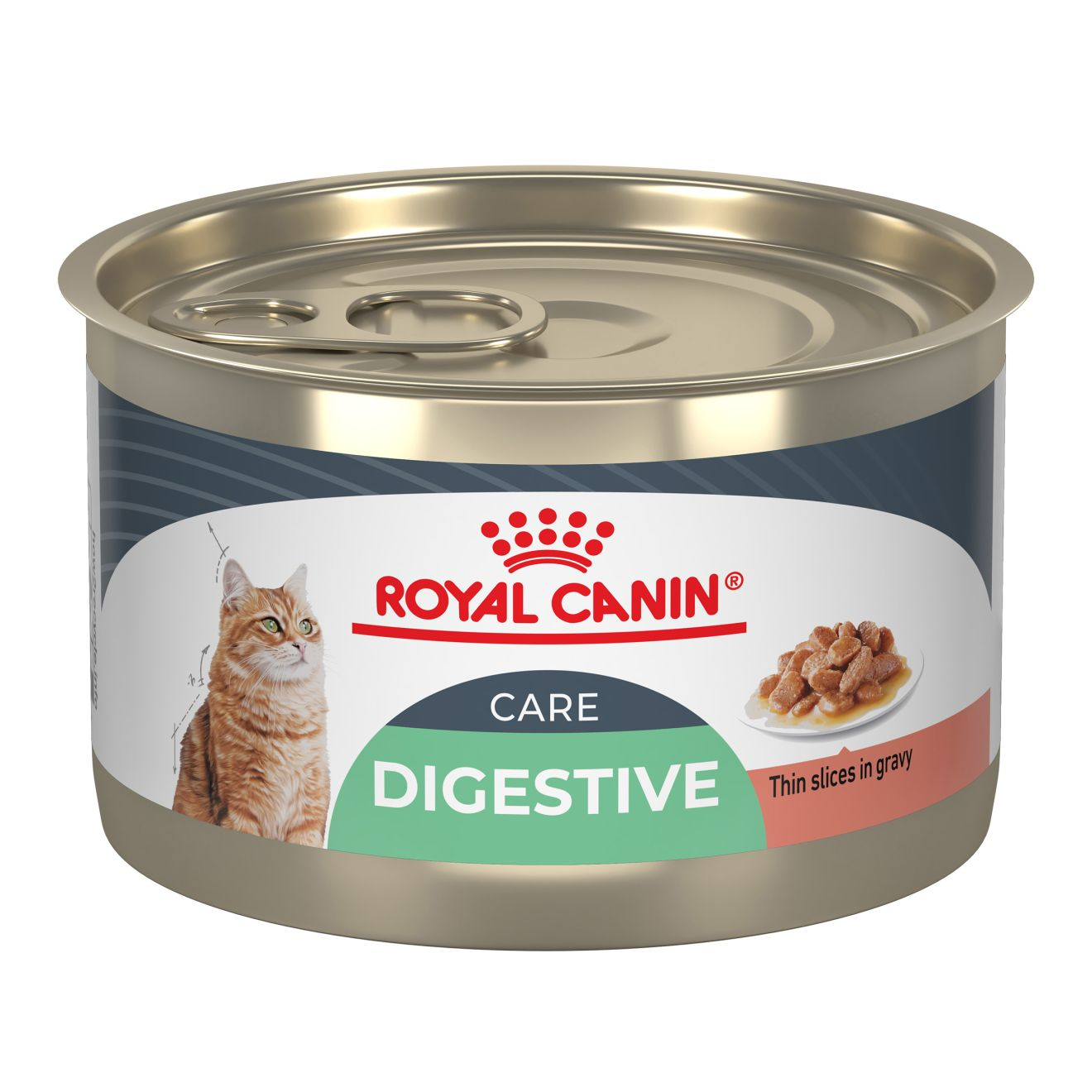
Credit: www.royalcanin.com

Credit: www.amazon.com
Frequently Asked Questions
How Long Does Wet Food Stay In A Cat’s Stomach?
Wet food typically remains in a cat’s stomach for about two hours before digestion continues in the intestines. Factors like the cat’s health, age, and metabolism can influence this process. Regular feeding routines help maintain optimal digestion and overall health.
Always consult a vet for specific dietary concerns.
How Long Do Cats Take To Digest Wet Food?
Cats usually digest wet food in 8 to 12 hours. The process varies based on individual health and metabolism. Wet food is generally easier to digest than dry kibble. Ensure your cat stays hydrated for optimal digestion.
Is Wet Food Easy To Digest For Cats?
Wet food is generally easier for cats to digest. It contains more moisture, aiding hydration and digestion. Cats often find it more palatable, encouraging better eating habits. Always consult with a vet for specific dietary needs to ensure optimal digestion and health for your cat.
How Long After Eating Will A Cat Poop?
Cats typically poop 6 to 8 hours after eating. Digestion time varies based on diet and health. Ensure your cat eats a balanced diet for regular bowel movements. Consult a vet if your cat has irregular pooping patterns. Regular check-ups help maintain your cat’s digestive health.
How Long Does Wet Cat Food Take To Digest?
Wet cat food typically takes 8-12 hours to digest. This varies based on the cat’s health and activity.
Conclusion
Understanding your cat’s digestion helps ensure their health. Wet food generally digests in 4 to 6 hours. This timing can vary with age and health. Observing your cat’s eating habits provides useful insights. Look for any changes in appetite or digestion.
Consult a vet if you notice anything unusual. A balanced diet supports smooth digestion. Make sure your cat has access to fresh water. Hydration is key. Remember, every cat is unique. Tailor their diet to their specific needs. Keep them happy and healthy with proper care.

Hi, I’m Taylor Morgan, the heart behind CATWhisk! As a lifelong cat enthusiast with a passion for feline care and behavior, I focus on providing reliable, practical, and engaging advice to cat parents everywhere. From health tips to fun DIY projects, my mission is to help you and your whiskered companions live your best lives together.