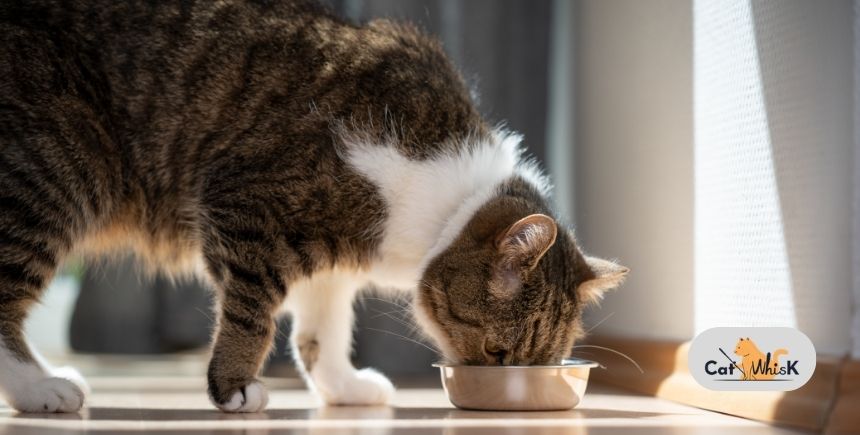

Are you wondering how often you should feed your feline friend? You’re not alone.
Many cat owners struggle with finding the right feeding schedule to keep their pets healthy and happy. Feeding your cat the right number of times can impact their mood, energy levels, and overall well-being. You want the best for your cat, but with so much conflicting advice out there, it’s easy to feel overwhelmed.
Imagine the peace of mind you’ll have knowing your cat is on a perfect feeding schedule. We’ll dive into everything you need to know about how often you should feed your cat, providing clear guidance to ensure your pet thrives. Stick around to discover the simple steps you can take to transform your cat’s feeding routine and improve their quality of life.
Credit: www.vet.cornell.edu
Cat Feeding Frequency
Cats thrive on routine. Feed adult cats twice daily to maintain their health and happiness. Kittens need food more often due to their rapid growth.
Understanding how often to feed your cat can be tricky, but getting it right is crucial for their health and happiness. Cats are creatures of habit, and their feeding schedule should respect their natural instincts. Let’s dive into the concept of cat feeding frequency and how it can impact your furry friend’s well-being.
How Often Should You Feed Your Cat?
The frequency of feeding your cat largely depends on their age, health, and lifestyle. Kittens, for instance, need more frequent meals to support their rapid growth. You might find yourself feeding a kitten three to four times a day. Adult cats, however, can usually manage with two meals a day. This aligns with their natural hunting instinct of eating smaller meals throughout the day. But what if your cat is older or has health issues? You might need to adjust the schedule to ensure they get the right nutrients.
Factors Influencing Feeding Frequency
Several factors can influence how often you feed your cat. Activity level is a big one. More active cats might need more frequent meals to keep up their energy. Health conditions like diabetes or hyperthyroidism also play a role. These conditions often require more frequent, smaller meals to manage symptoms effectively.
Personal Experience With Feeding Schedules
I once had a cat named Whiskers who thrived on a three-meal-a-day schedule. She was a bit of a night owl, so I made sure her last meal was later in the evening. This way, she didn’t wake me up for a midnight snack. Have you ever tried adjusting your cat’s feeding schedule? It might reveal surprising insights into their behavior and preferences.
Monitoring Your Cat’s Response
Pay attention to your cat’s reactions to their feeding schedule. Are they more energetic or lethargic? Do they finish their meals or leave leftovers? These cues can help you decide if you need to tweak their feeding frequency. Remember, every cat is unique, and their needs can change over time.
Practical Tips For Adjusting Feeding Frequency
Start with small adjustments. If you suspect your cat needs more meals, try adding one extra feeding time and observe any changes. Use feeding toys or puzzles to make meal times more engaging, especially if your cat is prone to boredom. Keep an eye on their weight and health condition, and consult your vet if you’re unsure about changes. What works for one cat might not work for another, and your vet can provide guidance tailored to your pet’s specific needs. Understanding your cat’s feeding frequency is more than just following a schedule. It’s about observing, adapting, and ensuring your cat remains healthy and happy. What changes have you noticed in your cat with different feeding frequencies? Your observations might be just the insight you need to perfect their feeding routine.
Credit: www.consolata.org
Factors Influencing Meal Times
Feeding a cat depends on age, health, and lifestyle. Kittens need more frequent meals for growth. Adult cats generally do well with two meals per day, balancing their energy needs effectively. Always consult a vet for personalized feeding advice.
Feeding your cat is more than just setting down a bowl of kibble. It’s about understanding your furry friend’s needs and lifestyle. Factors influencing meal times can vary widely, and knowing what they are helps ensure your cat stays healthy and happy.
Age And Activity Level
Your cat’s age and activity level play a significant role in determining how often they should eat. Kittens typically need more frequent meals to support their rapid growth and boundless energy. On the other hand, adult cats might need fewer meals if they’re less active. Have you ever noticed how kittens seem to have a never-ending appetite? That’s because they’re burning calories like there’s no tomorrow! Adjust their feeding schedule to match their energy output and growth needs.
Health Conditions
Certain health conditions can also dictate meal times. Cats with diabetes or other metabolic disorders might require more carefully timed meals to maintain stable blood sugar levels. If your cat has a specific health issue, consult with your veterinarian to tailor a feeding schedule that meets their needs. Imagine your cat as a little athlete with unique dietary requirements. If they’re battling a condition, they need a customized plan to keep them in peak shape.
Type Of Food
The type of food you choose impacts feeding frequency. Wet food is often more filling, potentially reducing the need for multiple meals, while dry food might require more frequent servings. Do you prefer the convenience of dry food or the freshness of wet options? Understanding your choice can help you adjust meal times to suit your cat’s dietary needs.
Personal Routine
Your daily schedule can influence when your cat eats. If you’re home during the day, multiple small meals might be possible. If you work long hours, you might opt for fewer feeding times. Think about your routine and how it aligns with your cat’s needs. Could adjusting your own schedule make your feline friend happier and healthier?
Feeding your cat isn’t a one-size-fits-all approach. It’s a balance between their needs and your lifestyle. Understanding these factors helps you create a feeding plan that benefits both you and your beloved pet.
Creating A Feeding Schedule
Feeding your cat twice a day suits most adult cats. Morning and evening meals keep them satisfied. Kittens need more frequent meals, about four times daily. Adjust based on your cat’s age and health for best results.
Creating a feeding schedule for your cat can improve their health. Cats feel more secure with routine. This leads to better behavior and a happier cat. A consistent feeding schedule helps manage their weight. It also improves digestion. Let’s explore how to establish a feeding routine for your furry friend.
Understand Your Cat’s Needs
Every cat is unique. Some cats need more food, others less. Consider their age, weight, and health. Kittens need frequent meals. Adult cats might eat twice a day. Senior cats may require special diets.
Set Regular Meal Times
Regular meal times help cats expect food. Feed them at the same time daily. Morning and evening are common feeding times. This routine reduces anxiety and maintains their health.
Choose The Right Portions
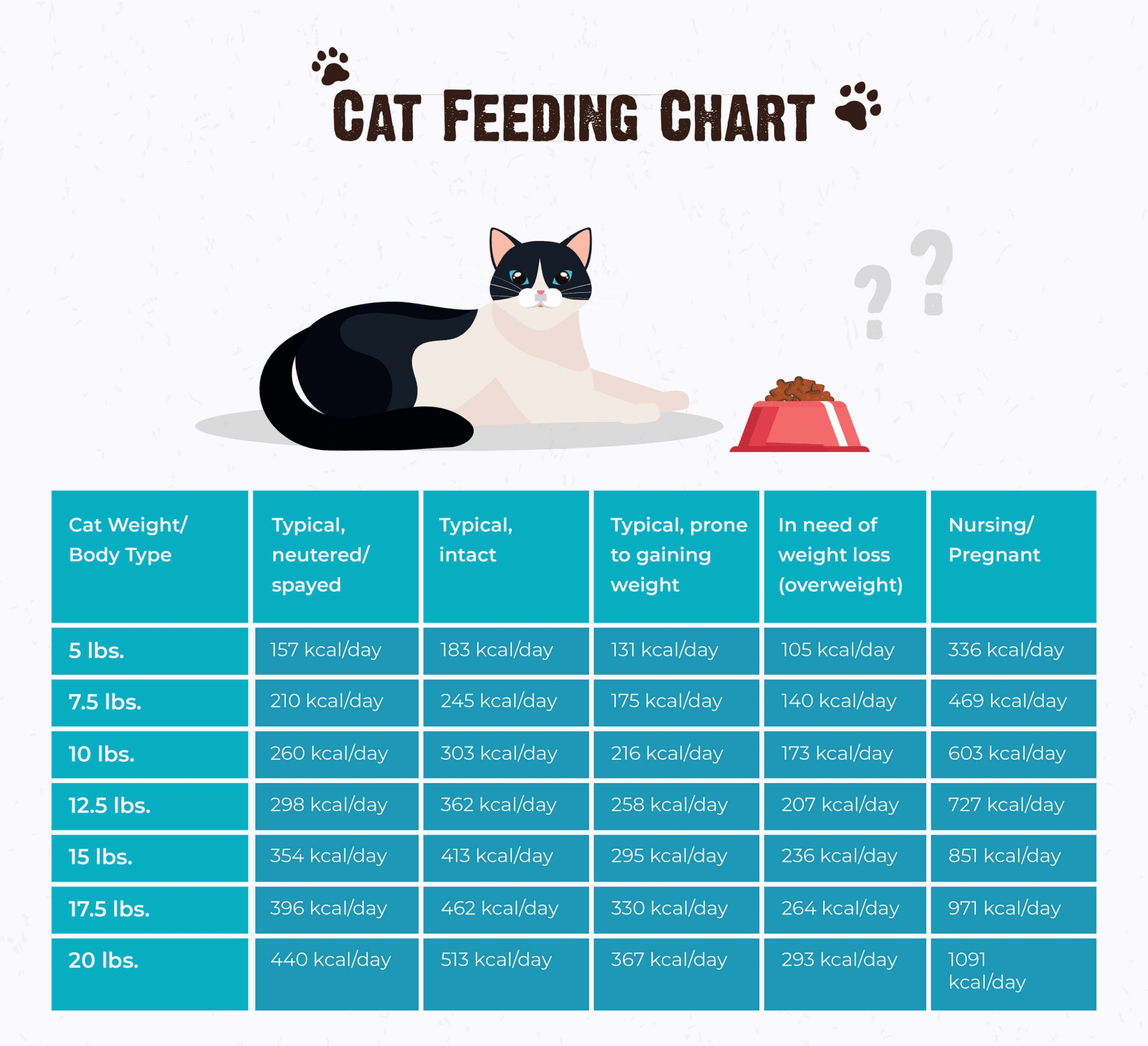
Portion size impacts a cat’s weight. Use the guidelines on cat food packaging. Adjust portions based on their activity level. Overweight cats need smaller portions. Active cats may need a bit more.
Monitor Your Cat’s Response
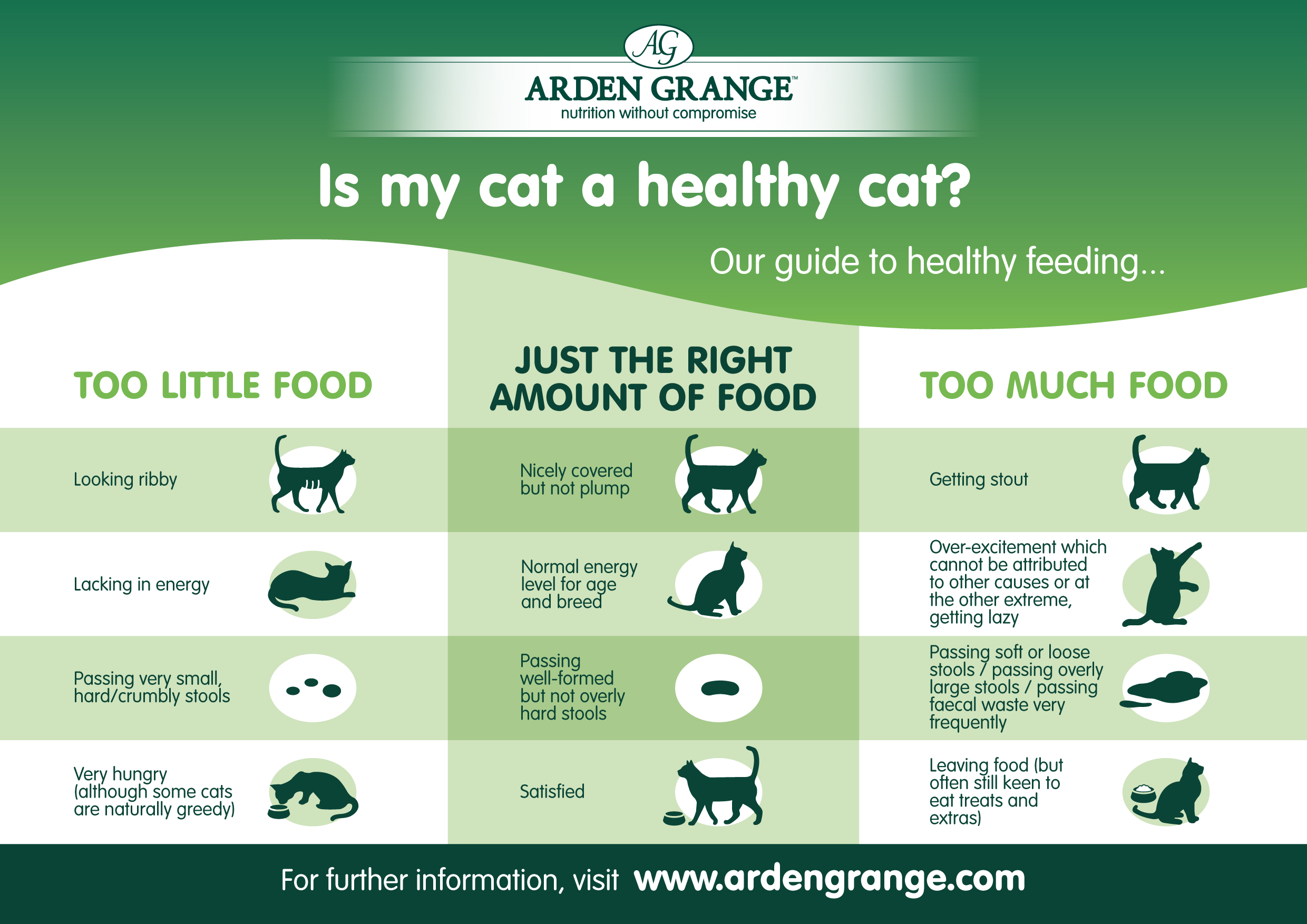
Observe how your cat responds to the schedule. Are they satisfied after meals? Do they seem hungry before the next meal? Adjust the schedule if needed. Every cat’s needs can change over time.
Use Measuring Tools
Measuring tools ensure accurate portion sizes. Use a cup or scale for dry food. Wet food often comes in pre-measured portions. Accurate portions prevent overeating. Creating a feeding schedule can improve your cat’s health and happiness. Follow these steps to create a routine that works for both of you.
Credit: www.ardengrange.com
Frequently Asked Questions
How Much Should A Cat Eat A Day?
Cats typically need 24-35 calories per pound of body weight daily. Adjust based on activity and age. Always provide fresh water, and consult your vet for specific dietary needs. Feeding guidelines on food packaging can also help determine the right portion size.
How Often Should I Feed My Indoor Cat?
Feed your indoor cat twice daily, morning and evening. Ensure portion sizes match their age, weight, and activity level. Provide fresh water at all times. Consult your veterinarian for personalized advice.
Is 1 Cup Of Food A Day Enough For A Cat?
Most adult cats need more than 1 cup of food daily. Portion size depends on weight, age, and activity level. Consult your veterinarian for precise dietary advice tailored to your cat’s needs. Proper nutrition ensures your cat stays healthy and happy.
Always monitor your cat’s weight and adjust portions accordingly.
What Are The Best Times For A Cat To Eat?
Cats thrive on routine. Feed your cat twice daily, morning and evening. Maintain consistent feeding times. Avoid free-feeding to prevent overeating. Ensure fresh water is always available. Adjust feeding schedule based on your cat’s age and health needs. Consult a vet for personalized advice.
How Often Should Adult Cats Eat Daily?
Adult cats typically need two meals a day. Morning and evening. This keeps their energy consistent.
Conclusion
Feeding a cat needs careful attention. Regular meals keep them healthy. Observe your cat’s habits. Adjust feeding times as needed. Young cats may need more frequent meals. Older cats might eat less. Balance is key for a happy cat. Consult a vet for specific advice.
They can help with diet plans. Remember, each cat is unique. Their needs can vary. Monitor their weight and health. Ensure fresh water is always available. Love and care go a long way. A well-fed cat is a content cat.
Make feeding time a bonding moment.

Hi, I’m Taylor Morgan, the heart behind CATWhisk! As a lifelong cat enthusiast with a passion for feline care and behavior, I focus on providing reliable, practical, and engaging advice to cat parents everywhere. From health tips to fun DIY projects, my mission is to help you and your whiskered companions live your best lives together.