
Last Updated on June 17, 2026
Do you have a new kitten at home and find yourself wondering how to best nourish your tiny furball? You’re not alone.
Many new kitten parents are often unsure about what, when, and how much to feed their new feline friend. The right feeding schedule is crucial for your kitten’s health and development. A balanced diet helps them grow strong and lively, setting the foundation for a healthy life.
This week-by-week guide is tailored just for you, offering a simple yet comprehensive look at how to feed your kitten as they grow. By the end of this article, you’ll be a pro at understanding your kitten’s dietary needs, ensuring they thrive in their new environment. Stick around, and let’s dive into the specifics of the kitten feeding schedule by age!
Credit: www.kittenlady.org
Newborn To Two Weeks
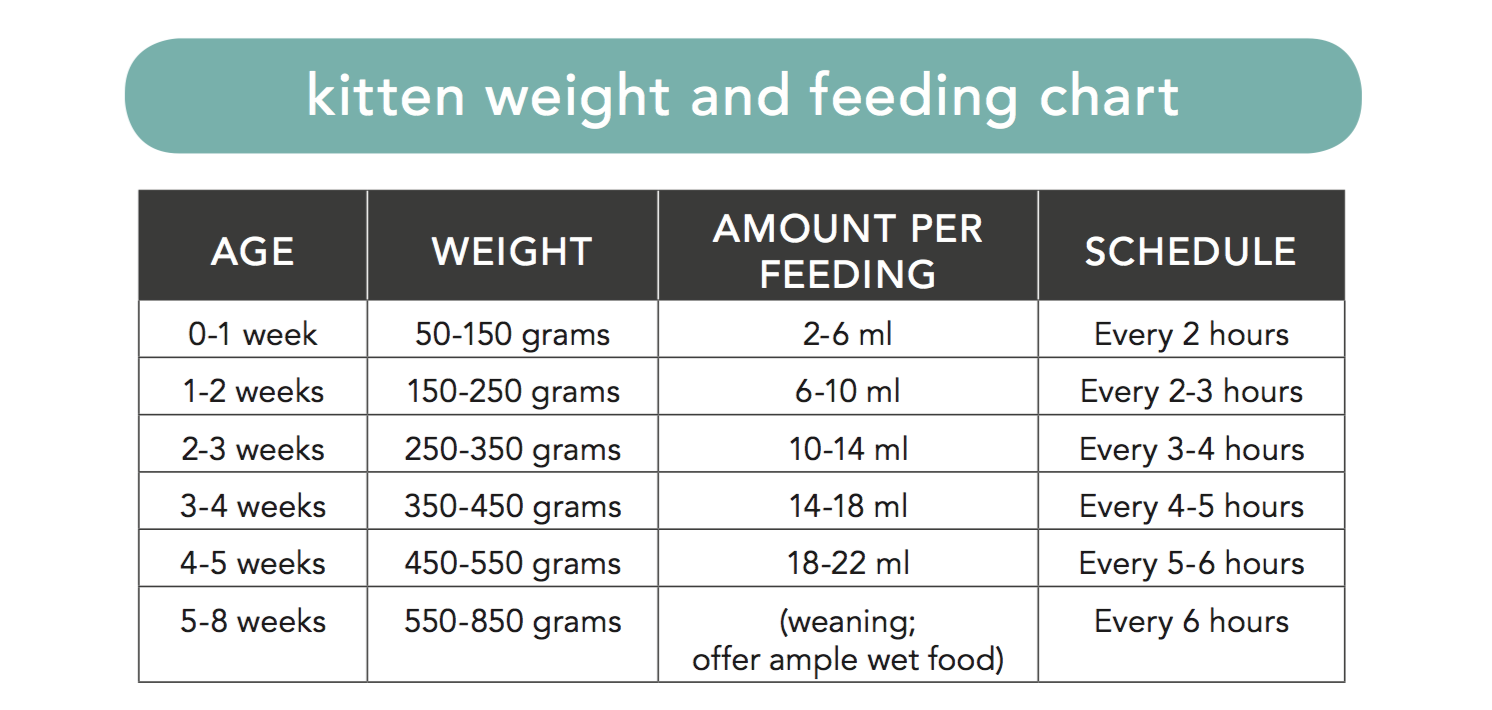
Newborn kittens require feeding every 2-3 hours to ensure healthy development. Their diet consists solely of kitten formula. Consistent feeding schedules are crucial for their growth and well-being during these early weeks.
Welcoming a newborn kitten into your home is an exciting experience. However, it also comes with the responsibility of ensuring they receive the right nutrition. During the first two weeks of life, kittens rely heavily on their mother’s milk, which provides essential nutrients for their growth and development. Understanding their feeding schedule is crucial to support their health and well-being.
Understanding Newborn Kittens’ Nutritional Needs
Newborn kittens are incredibly dependent. They need frequent feedings to thrive. Typically, they nurse every two hours, day and night, during the initial days. Mother’s milk is the primary source of nutrition at this stage. It contains antibodies that help kittens fight infections. If the mother is unavailable, a kitten milk replacement formula is necessary.
Establishing A Feeding Routine
Creating a consistent feeding routine is vital. This helps your kitten feel secure and can lead to better growth. You might wonder how to manage night feedings. Consider setting an alarm to ensure timely feeding. It may be exhausting, but your dedication will make a difference in your kitten’s life.
Signs Your Kitten Is Feeding Well
A content kitten is a healthy kitten. Look for signs like a full tummy and quiet sleep after feeding. These are positive indicators that your kitten is getting enough nourishment. Weight gain is another crucial sign. Weigh your kitten regularly to monitor progress. A healthy kitten should gain about 10-15 grams per day.
Common Challenges And Solutions
Feeding newborn kittens can come with challenges. You might encounter kittens having difficulty latching on. In such cases, gently guide them to the nipple or bottle. If a kitten is rejecting the milk, check the temperature. Milk should be warm but not hot. Ensuring the formula is at a comfortable temperature can encourage feeding.
Practical Tips For Feeding Newborn Kittens
Make feeding time a bonding experience. Gently hold your kitten close, creating a sense of safety. Use a small bottle or syringe for feeding. This helps control the flow of milk, preventing choking. Sanitize feeding equipment regularly to maintain hygiene. This simple step can prevent many health issues. Have you ever tried waking up at 3 a.m. to feed a tiny creature? It’s challenging but rewarding. Your efforts lay the foundation for a healthy and happy kitten.
Credit: www.alleycat.org
Three To Eight Weeks
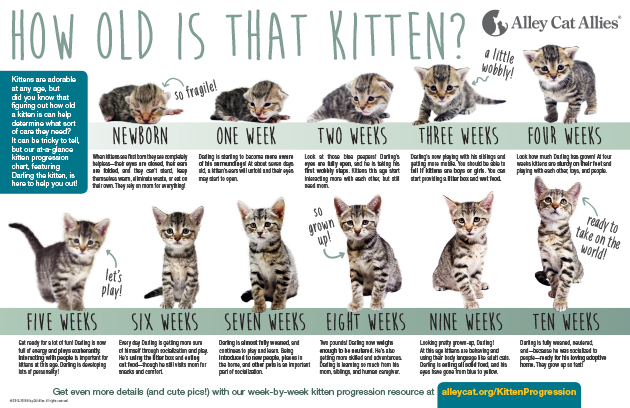
Kittens aged three to eight weeks need milk replacement formula and begin transitioning to soft kitten food. Their feeding schedule gradually shifts, introducing solid food while maintaining regular milk feedings. Monitoring their intake during these weeks is crucial for healthy growth and development.
Welcoming a kitten into your home is always an exciting adventure. As they grow, their feeding needs change rapidly, especially between three to eight weeks of age. This period is crucial for development, and understanding their diet requirements can lead to a healthy, thriving cat.
Feeding At Three Weeks
At three weeks old, kittens start to open their eyes and explore the world. Their diet still heavily relies on their mother’s milk. If the mother cat is unavailable, you should provide a kitten milk replacer. It’s essential to use a bottle designed for kittens to ensure they feed comfortably.
Transitioning To Solid Food
By four weeks, kittens can begin the transition to solid food. Introduce them to a soft, wet food mixed with kitten milk replacer. Make the transition gradual to avoid digestive upset. Observe their reactions closely; some may be hesitant, while others dive right in.
Five Weeks: Encouraging Exploration
At five weeks, kittens become more adventurous with their food. Encourage them to try different flavors and textures of wet food. Keep their meals small and frequent, typically four times a day. Does your kitten show a preference for one type of food over another? This is your chance to understand their likes and dislikes.
Six Weeks: Developing Preferences
Six weeks old kittens start developing their taste preferences. Introduce dry kibble moistened with water or kitten milk replacer alongside wet food. This helps them get used to the crunchy texture. Pay attention to their eating habits; are they eagerly eating or showing resistance?
Seven Weeks: Strengthening Independence
At seven weeks, kittens can consume more solid food. You can reduce the amount of milk replacer and increase solid food intake. Start leaving dry food out for them to munch on between meals. This phase fosters independence and helps them adjust to a routine.
Eight Weeks: Ready For Adoption
By eight weeks, kittens are usually ready for adoption and can eat solid kitten food confidently. Ensure they have access to fresh water at all times. This is a perfect time for you to establish a feeding schedule that suits your lifestyle and meets their needs. What have you noticed in your kitten’s eating habits during this time? Understanding these week-by-week changes helps you provide the best care for your growing feline friend. Remember, patience and observation are key in nurturing your kitten’s development.
Nine Weeks And Beyond
At nine weeks and beyond, kittens start to explore their world more actively. They become more independent, seeking out new experiences. Their diet also starts to shift. Understanding how to properly feed your kitten is crucial during this stage.
Transitioning To Solid Foods
Kittens at nine weeks can start eating solid foods. Begin with high-quality kitten food. Gradually reduce the amount of kitten formula. Ensure the food is moist to ease digestion. Monitor their eating habits closely.
Establishing A Feeding Routine
Set a regular feeding schedule for your kitten. Offer meals three times a day. Consistency helps them develop healthy eating habits. Use the same feeding times daily. This routine provides structure and comfort.
Understanding Nutritional Needs
Kitten nutritional needs change as they grow. They require more calories than adult cats. Choose foods rich in protein and fats. Look for essential vitamins and minerals. Proper nutrition supports growth and energy.
Hydration Is Key
Ensure your kitten has access to fresh water. Water is essential for their health. Monitor their water intake closely. Hydration supports digestion and overall well-being. Keep water bowls clean and filled.
Monitoring Weight And Health
Regularly check your kitten’s weight and health. Healthy kittens gain weight steadily. Consult a veterinarian if you notice unusual changes. Regular veterinary check-ups are recommended. Early intervention prevents health issues.

Credit: www.royalcanin.com
Frequently Asked Questions
What Is A Good Feeding Schedule For A Kitten?
Feed kittens 3-4 times daily with high-quality kitten food. Ensure meals are small and nutrient-rich. Fresh water should always be available. Adjust portions as they grow. Consult a vet for specific needs.
Is 1 Cup Of Dry Food Enough For A Kitten?
One cup of dry food might not be enough for a kitten. Kittens need small, frequent meals for proper growth. Consult a veterinarian for specific dietary needs based on age, weight, and health. Ensure the diet includes necessary nutrients for healthy development.
Is 2 Cans Of Wet Food A Day Enough For A Kitten?
Two cans of wet food might be enough for a kitten, but it depends on their age and weight. Consult your veterinarian for specific feeding guidelines. Kittens require more nutrients for growth, so consider high-quality kitten food for balanced nutrition.
Adjust portion sizes as your kitten grows and monitor their health.
Do Kittens Stop Eating When They Are Full?
Yes, kittens usually stop eating when they’re full. They self-regulate their intake naturally. Always ensure fresh water and nutritious food are available. If a kitten overeats regularly or shows unusual eating behavior, consult a veterinarian for advice.
Conclusion
Creating a kitten feeding schedule helps ensure healthy growth. Each week brings new nutritional needs. Adjust feeding amounts as your kitten grows. Pay attention to their behavior and health. Consult a vet for specific concerns. Patience and care are vital in their early weeks.
Proper feeding leads to happy, healthy kittens. Enjoy watching them grow and thrive. Their development is fast and fascinating. Keep learning about their changing needs. Your efforts will reward you with a content and lively companion. Remember, your kitten depends on you for nourishment and love.

Hi, I’m Taylor Morgan, the heart behind CATWhisk! As a lifelong cat enthusiast with a passion for feline care and behavior, I focus on providing reliable, practical, and engaging advice to cat parents everywhere. From health tips to fun DIY projects, my mission is to help you and your whiskered companions live your best lives together.