

Last Updated on February 18, 2026
Ever wonder if you’re feeding your cat the right amount of dry food? You’re not alone.
Many cat owners struggle to figure out the perfect portion size. After all, you want your furry friend to stay healthy and happy, but how do you know what’s just right? Understanding how much dry food your cat should eat each day can make a big difference in their well-being.
It’s not just about keeping them full; it’s about ensuring they get the nutrients they need without overeating. Stick around, and you’ll discover the secrets to tailoring your cat’s diet to fit their unique needs. Get ready to take the guesswork out of feeding time, and learn how to keep your feline friend purring with satisfaction.
:strip_icc()/how-much-canned-food-to-feed-554404-Final-4e9268619c4847eaac29498a6a17d88c.png)
Credit: www.thesprucepets.com
Contents
Factors Affecting Cat’s Dry Food Intake
Various factors influence a cat’s dry food intake, including age, activity level, and health condition. Adult cats typically need 1/4 to 1/2 cup of dry food daily. Observing your cat’s body condition can help adjust feeding amounts appropriately.
Determining how much dry food your cat should eat each day isn’t as straightforward as following a one-size-fits-all guideline. Various factors come into play, which makes the answer unique for each feline friend. Understanding these factors will help you ensure your cat remains healthy and satisfied.
1. Age And Life Stage
Kittens, adults, and senior cats have different nutritional needs. A kitten’s rapid growth requires more calories and nutrients compared to a mature cat. Meanwhile, senior cats may need fewer calories due to a slower metabolism.
2. Activity Level
A playful and active cat will burn more calories than a sedentary one. If your cat is a couch potato, it might not need as much food as a hyperactive feline who spends the day exploring every nook and cranny. Have you noticed how your cat’s energy level affects its appetite?
3. Health Conditions
Health plays a crucial role in determining food intake. Conditions like diabetes or hyperthyroidism can increase a cat’s hunger. On the flip side, dental problems might reduce the ability or desire to eat.
4. Weight Goals
Is your cat a bit on the chubby side, or perhaps too lean? If you’re trying to manage your cat’s weight, adjusting food portions becomes essential. Aiming for a healthy weight often involves a careful balance between food intake and exercise.
5. Brand And Nutritional Content
Not all dry foods are created equal. Some brands offer more calories and nutrients per cup than others. Always check the label to ensure your cat gets the required nutrients without overfeeding.
6. Environmental Factors
The environment can surprisingly impact your cat’s eating habits. Stressful surroundings might reduce appetite, while a calm home may encourage regular eating patterns. How does your home environment influence your cat’s mealtime?
7. Personal Preferences
Just like humans, cats have food preferences. Some might enjoy a particular flavor or texture more than others. Have you ever noticed your cat turning its nose up at certain brands or flavors? Remember, you know your cat best. Observing and adjusting based on your cat’s specific needs will lead to a happy and healthy feline companion. Always consult with your vet if you’re unsure about the right portion sizes.
Credit: www.consolata.org
Age And Weight Considerations
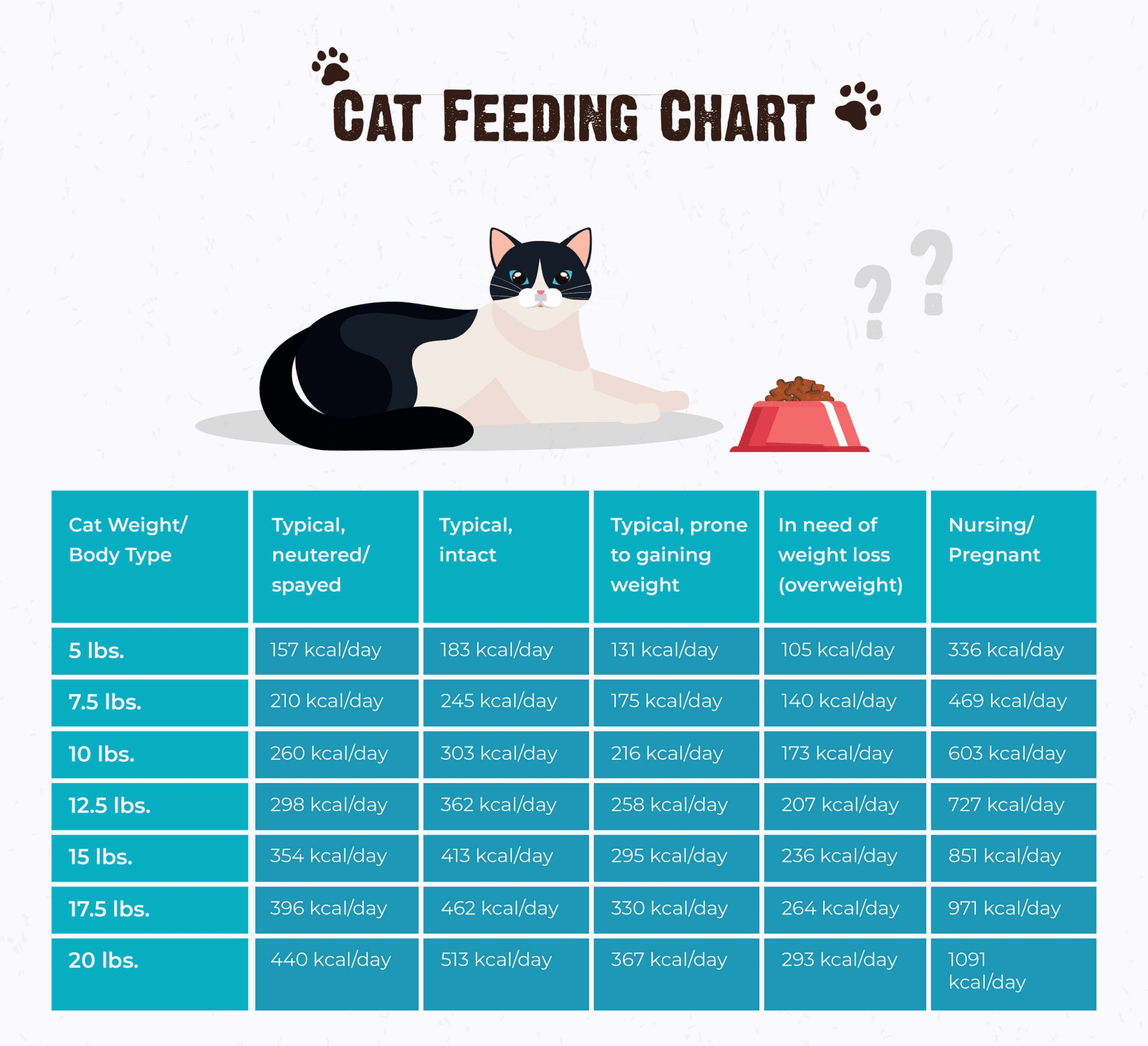
Cats require a balanced diet to stay healthy and active. Their age and weight play crucial roles in determining their daily dry food intake. Understanding these factors ensures your cat receives the proper nutrition.
Age Considerations
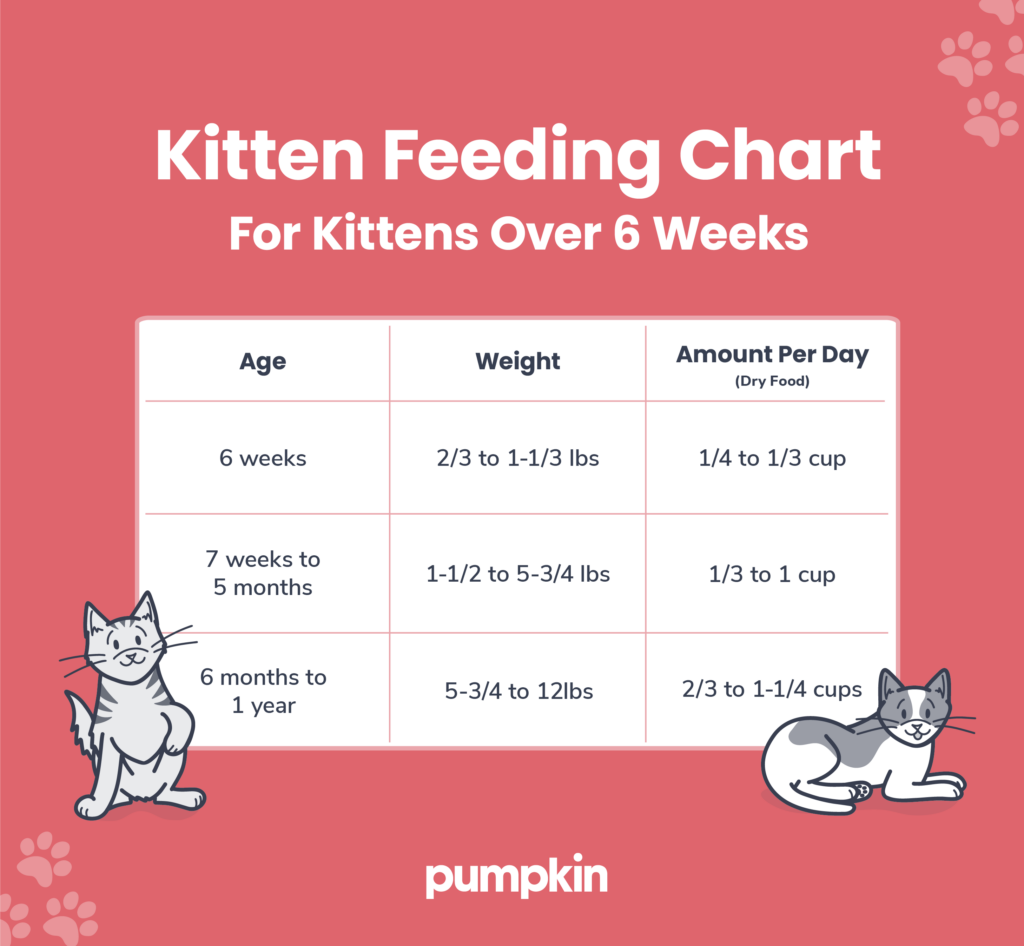
Kitten diets differ greatly from adult cats. Young kittens need more calories to support growth. Generally, kittens require frequent, small meals throughout the day. Their energetic nature demands high protein levels. Once they reach one year, their diet shifts to adult cat food.
Senior cats have unique dietary needs as well. Aging cats may need fewer calories due to decreased activity. Some may require special diets for health issues. Consult a vet to adjust their food intake appropriately.
Weight Considerations
A cat’s weight significantly impacts its food requirements. Overweight cats need careful portion control to avoid health problems. Less dry food and more active play can help manage weight.
Underweight cats require additional calories for weight gain. High-calorie dry food options can assist them. Monitoring their weight regularly ensures they stay within a healthy range.
Maintaining a healthy weight is vital for your cat’s well-being. Regular check-ups with a vet help determine the right amount of dry food. Adjust the portions based on their weight changes.
Tips For Measuring And Monitoring
Feeding your cat the right amount of dry food is important. It helps maintain their health and weight. Measuring and monitoring food intake can prevent overfeeding. It ensures your cat stays active and healthy. Below are some useful tips for doing this effectively.
Tips For Measuring Cat Food
Start by using a standard measuring cup. This ensures you give the correct portion. Adjust portions based on your cat’s activity level. More active cats may need slightly more food. Less active cats require less. Always check the packaging for serving size recommendations. These are usually based on weight.
Monitoring Your Cat’s Eating Habits
Observe your cat during meals. Note any changes in eating patterns. Sudden changes may indicate health issues. Keep track of how much food your cat eats daily. This helps identify any over or under-eating. Regular monitoring helps maintain their ideal weight.
Adjusting Food Portions
If your cat gains weight, reduce the portion size slightly. If they lose weight, increase the portion. Always make adjustments gradually. Sudden changes can upset their stomach. Consult a vet before making significant changes. They can provide expert advice tailored to your cat’s needs.
Credit: www.pumpkin.care
Frequently Asked Questions
Is 1 Cup Of Dry Food A Day For A Cat Too Much?
One cup may be too much or too little. It depends on the cat’s age, weight, activity level, and health. Consult your vet for personalized advice to ensure a balanced diet. Always monitor your cat’s weight and adjust portions accordingly for optimal health.
Do Cats Stop Eating When They Are Full?
Cats usually stop eating when they’re full. Overeating can occur due to stress or boredom. Monitoring their eating habits helps maintain their health. Providing balanced meals and avoiding overfeeding can prevent obesity. If a cat consistently overeats or seems always hungry, consult a veterinarian for advice.
Is 2 Meals A Day Enough For A Cat?
Two meals a day are usually enough for most adult cats. Ensure portion sizes match their age, weight, and activity level. Consult a veterinarian for personalized feeding advice. Proper nutrition and hydration are crucial for maintaining your cat’s health and well-being.
How Much Dry Food To Feed A Cat Per Day Calculator?
Use a cat feeding calculator to determine the exact amount. Typically, feed 24-35 calories per pound daily. Consider your cat’s age, activity level, and health for precise portions. Always refer to the food packaging for specific guidelines. Consult a veterinarian for personalized advice if needed.
How Much Dry Food Should A Cat Eat Daily?
Cats need about 1/4 to 1/2 cup of dry food daily. Adjust based on size, age, and activity.
Conclusion
Choosing the right amount of dry food is crucial for your cat’s health. Cats have different needs based on age, size, and activity level. Always check the food label for guidance. Consult your vet for personalized advice. Watching your cat’s weight is important.
Adjust portions if needed. Keep fresh water available at all times. Balance is key to a healthy diet. Consistency helps maintain your cat’s well-being. Regular check-ups ensure your cat stays healthy. Happy feeding leads to a happy cat. Small changes make a big difference.
Prioritize your cat’s nutritional needs for a long, healthy life.

Hi, I’m Taylor Morgan, the heart behind CATWhisk! As a lifelong cat enthusiast with a passion for feline care and behavior, I focus on providing reliable, practical, and engaging advice to cat parents everywhere. From health tips to fun DIY projects, my mission is to help you and your whiskered companions live your best lives together.