Feeding your cat the right amount of dry food is a puzzle every pet owner wants to solve. You want to ensure your feline friend is happy and healthy, but how much is just right?
Overfeeding can lead to weight gain, while underfeeding might leave your cat hungry and unsatisfied. We’ll uncover the secrets to finding that perfect balance for your cat’s diet. Imagine the peace of mind you’ll feel knowing exactly how much to feed your furry companion.
Stay with us as we break it down step by step, ensuring your cat gets just the right amount of nutrition every day.
:strip_icc()/how-much-canned-food-to-feed-554404-Final-4e9268619c4847eaac29498a6a17d88c.png)
Credit: www.thesprucepets.com
Contents
Factors Affecting Cat’s Food Intake
Various factors influence a cat’s dry food intake, including age, weight, and activity level. Cats’ dietary needs can also change due to health conditions. Monitoring your cat’s eating habits helps ensure they receive proper nutrition.
Feeding your cat the right amount of dry food is crucial for its health and happiness. But how do you know how much is enough? Many factors influence a cat’s food intake, and it’s essential to understand them to make informed decisions. From age and weight to lifestyle and health conditions, each aspect plays a significant role. Let’s dive into these factors and discover how they impact your feline friend’s dietary needs.
Age And Life Stage
Kittens have different nutritional needs compared to adult or senior cats. Young kittens require more calories to support their rapid growth and energy levels. As cats age, their metabolism slows, requiring fewer calories to maintain a healthy weight.
Weight And Body Condition
A cat’s weight is a direct indicator of how much food it needs. Overweight cats might need fewer calories, while underweight cats may require more. Regularly checking your cat’s body condition can help you adjust its food intake accordingly.
Activity Level
Is your cat a couch potato or a bundle of energy? Active cats burn more calories and may need more food to sustain their energy levels. In contrast, less active cats require fewer calories to avoid unnecessary weight gain.
Health Status
A cat’s health can significantly affect its dietary needs. Cats with health issues like diabetes or hyperthyroidism may require special diets. Always consult with a vet to tailor your cat’s food intake to its health status.
Breed
Different breeds have different energy requirements. Larger breeds like the Maine Coon may need more food than smaller breeds like the Siamese. Understanding your cat’s breed-specific needs can help you make better feeding decisions.
Feeding Schedule
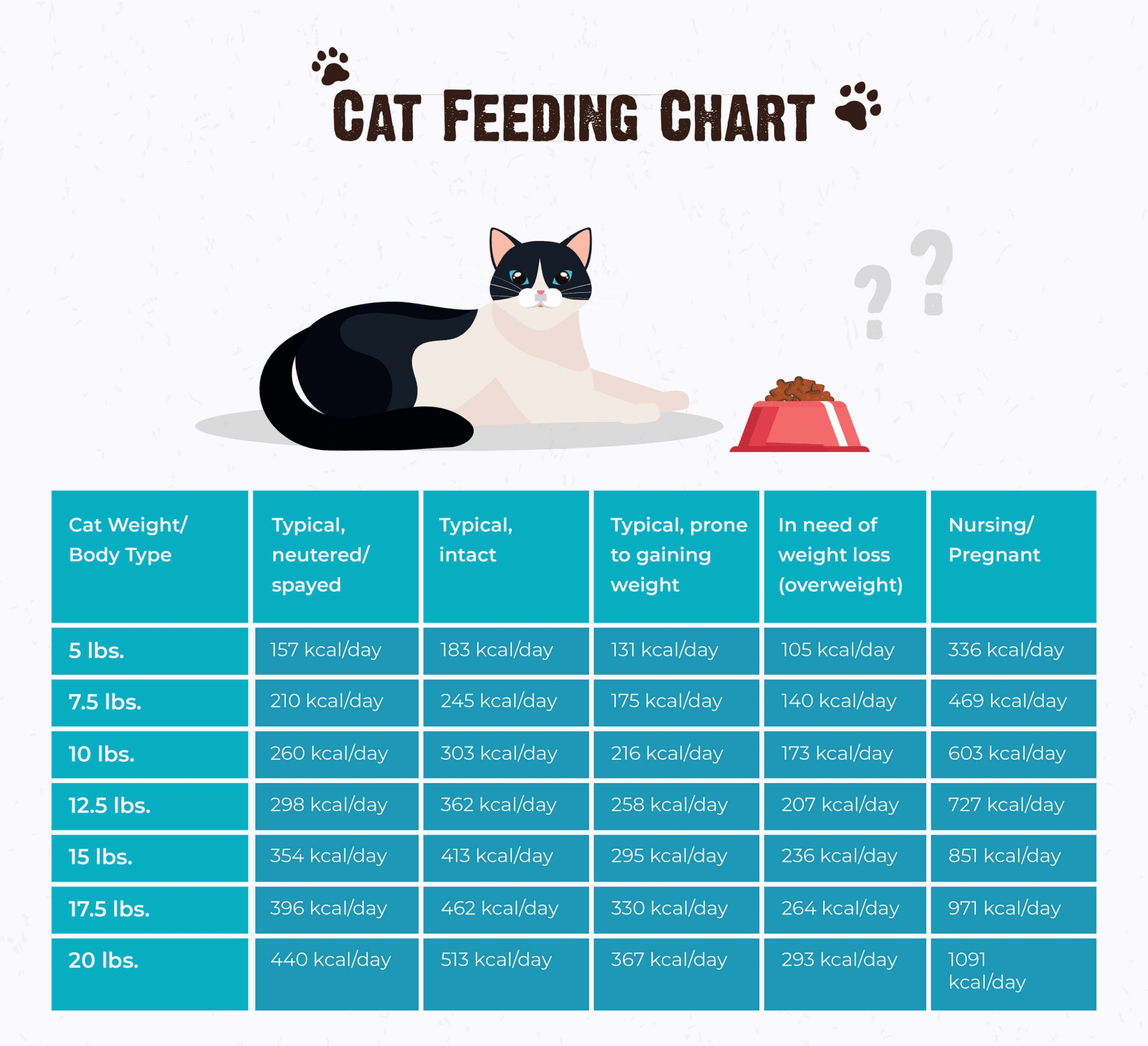
How often you feed your cat can impact its food intake. Some cats thrive on multiple small meals throughout the day, while others do well with a couple of larger meals. Experiment to see what works best for your cat’s lifestyle. Remember when I first got my cat, Whiskers? I was unsure how much to feed her. After a few vet visits and a bit of trial and error, I realized she needed more food than I initially thought due to her active nature. Have you ever had a similar experience with your pet? Understanding these factors will help you provide the best care for your cat. Make adjustments as needed and consult a vet to keep your feline friend healthy and happy.
Credit: www.consolata.org
Calculating The Right Portion
Determining the right portion of dry food for a cat involves considering their age, weight, and activity level. Balancing these factors ensures they receive the nutrients needed for health. Regular adjustments may be necessary as cats grow or change their activity habits.
Calculating the right portion of dry food for your cat is crucial for maintaining its health and well-being. Feeding too much can lead to obesity, while too little might leave your feline friend hungry and undernourished. Striking the perfect balance requires a bit of knowledge and a keen eye on your cat’s needs. Let’s explore how to determine the ideal amount of dry food for your cat.
Understanding Your Cat’s Needs
Cats have different dietary requirements based on their age, weight, and activity level. A playful kitten needs more calories than a sedentary senior cat. Consider your cat’s lifestyle. Is your cat an indoor snoozer or an outdoor adventurer? These factors influence how much energy they expend and, consequently, how much food they require.
Reading Food Labels
Dry cat food packaging often includes feeding guidelines. These can be a starting point, but not a strict rule. Check the labels carefully. They typically suggest portions based on weight categories. But remember, your cat’s unique traits might require a tweak to these recommendations.
Using A Portion Calculator
Some websites offer portion calculators where you input your cat’s weight, age, and activity level to get a tailored feeding suggestion. Have you tried one yet? They’re simple and can provide insights beyond what the food label offers. These tools can be particularly helpful if your cat’s needs change over time.
Adjusting For Weight Management
If your cat is gaining or losing weight, it might be time to adjust their portions. Monitor your cat’s weight regularly. Keep an eye on their waistline and overall health. If you notice changes, adjust the food quantity accordingly, ensuring they receive the nutrients they need without overfeeding.
Consulting Your Veterinarian
When in doubt, ask your vet. They can provide guidance based on your cat’s health history and current condition. Have you discussed your cat’s diet with your vet? Their expertise can help you make informed decisions about portion sizes and nutritional needs.
Observing Your Cat’s Behavior
Your cat’s behavior can be a tell-tale sign of whether they’re getting enough food. Is your cat always begging for more food? Or are they leaving food in the bowl? These actions might suggest you need to adjust the portion size. Be attentive to these subtle cues to ensure your cat is satisfied and healthy.
Balancing Treats And Regular Meals
Treats are great for training and bonding, but they add to your cat’s calorie intake. Are you mindful of treat portions? Balance them with regular meals to avoid overfeeding. Treats should be a small percentage of your cat’s daily intake, not a substitute for their main meals. Finding the right portion requires a bit of trial and error, but with the right approach, you can ensure your cat stays happy and healthy. Are you ready to optimize your cat’s feeding routine? With these insights, you’re well-equipped to cater to your cat’s unique dietary needs.
Common Feeding Mistakes
Determining the right amount of dry food for cats can be tricky. Overfeeding leads to weight gain and health issues, while underfeeding results in malnutrition. Proper portion control ensures a healthy, happy cat.
Feeding your cat the right amount of dry food is crucial to their health and happiness. Yet, many cat owners unknowingly make common feeding mistakes that can affect their furry friend’s well-being. Understanding these pitfalls can help you provide the best nutrition for your cat.
Overfeeding Your Cat
It’s easy to overestimate how much food your cat needs. Cats are experts at convincing us they’re starving, even when they’re not. Always check the feeding guidelines on the package and adjust for your cat’s size and activity level.
Ignoring Your Cat’s Age And Health
A kitten’s nutritional needs differ from those of a senior cat. Young cats require more protein for growth, while older cats might need fewer calories. If your cat has health issues, consult your vet for specific dietary advice.
Not Monitoring Weight Changes
A slight change in your cat’s weight can indicate improper feeding. Weigh your cat regularly to ensure they’re maintaining a healthy weight. If you notice fluctuations, it might be time to reassess their diet.
Feeding On Demand
Cats love routine, but feeding them whenever they beg can lead to overeating. Establish a feeding schedule to help manage their intake. Stick to set meal times to maintain a healthy weight.
Choosing The Wrong Type Of Dry Food
Not all dry foods are created equal. Some are packed with fillers that offer little nutrition. Read labels carefully and choose a brand that lists meat as the first ingredient. Your cat deserves high-quality food that supports their health.
Ignoring Portion Sizes
Even if you’re feeding high-quality food, portion size matters. Using a measuring cup ensures your cat gets the right amount. Avoid guessing; precision is key to preventing weight gain.
Not Considering Lifestyle Changes
Your cat’s lifestyle affects their dietary needs. A playful cat might need more calories than a couch potato. If your cat’s activity level changes, adjust their food intake accordingly. Are you making any of these common feeding mistakes? Correcting them might just improve your cat’s health. How can you modify your feeding habits today?
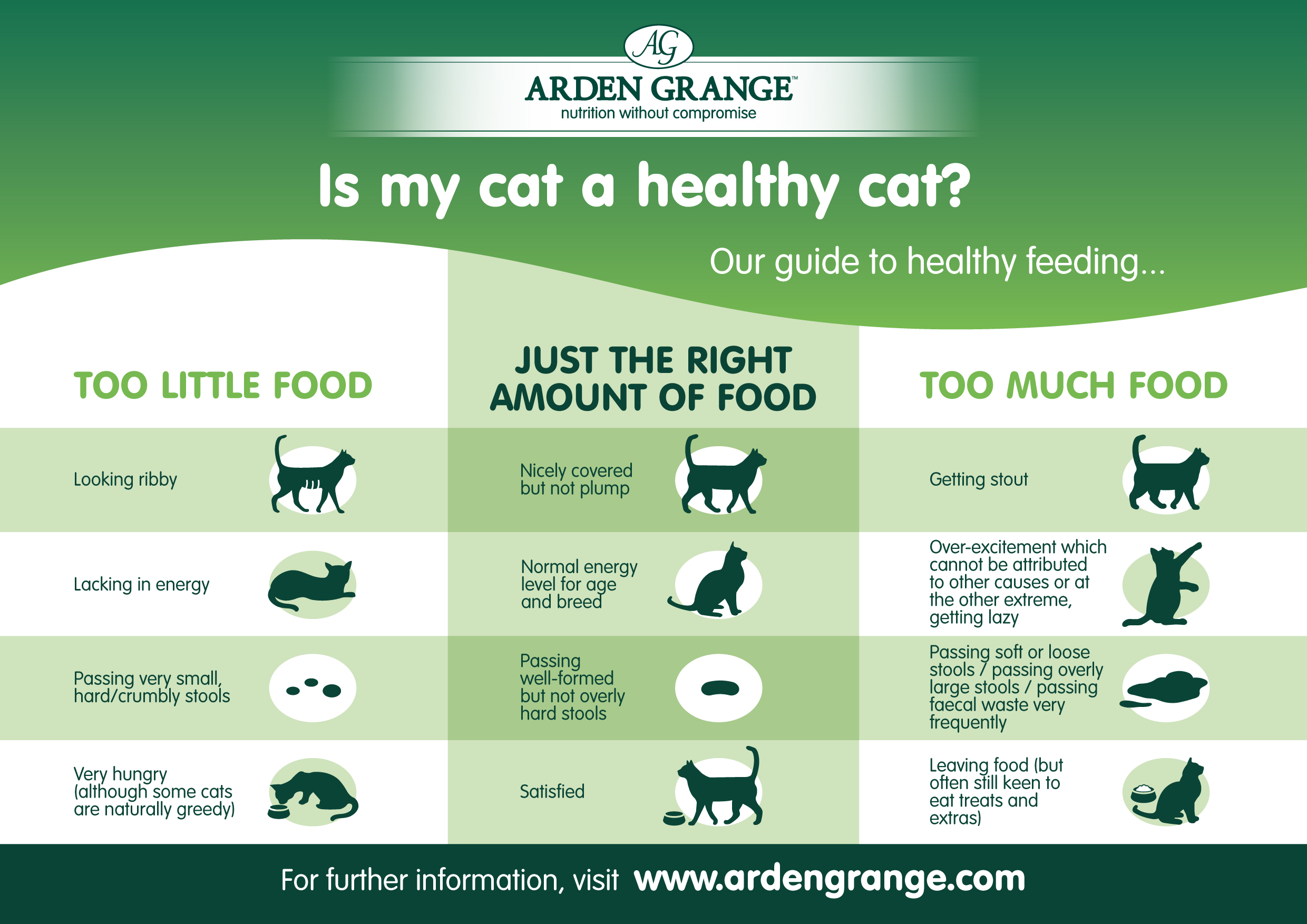
Credit: www.ardengrange.com
Frequently Asked Questions
Is 2 Meals A Day Enough For A Cat?
Cats can thrive on two meals a day if portions meet their nutritional needs. Ensure balanced nutrition and consult a vet. Regular feeding schedules help maintain healthy weight and digestion. Always provide fresh water. Adjust meal size based on cat’s age, weight, and activity level for optimal health.
What Is A Serving Size Of Dry Cat Food?
A serving size of dry cat food typically ranges from 1/4 to 1/2 cup per meal. Always check packaging for specific guidelines and adjust based on your cat’s age, weight, and activity level. Consult your veterinarian for personalized feeding advice to keep your cat healthy and active.
How Much Dry Cat Food Per Day In Cups?
Feed your cat about 1/4 to 1/2 cup of dry food daily. Adjust based on age, weight, and activity level. Always follow the specific brand’s feeding guidelines and consult your veterinarian for personalized advice. Ensure fresh water is available at all times.
How Much Dry Food To Feed A Cat Per Day Calculator?
To calculate dry food for a cat, consider age, weight, activity level, and health. Typically, feed 24-35 calories per pound daily. Consult packaging guidelines and vet recommendations for precise amounts. Adjust based on your cat’s needs, ensuring balanced nutrition and maintaining healthy weight.
How Often Should I Feed My Cat Dry Food?
Feed adult cats twice daily. Kittens need more frequent meals. Consult your vet for specific needs.
Conclusion
Finding the right amount of dry food for your cat matters. Balance is key. Overfeeding can lead to obesity. Underfeeding may cause health issues. Start with the guidelines on the food package. Adjust based on your cat’s weight and activity.
Always provide fresh water. Regular vet visits help track your cat’s health. Monitor your cat’s body condition. Adjust portions as needed. Every cat is unique. Pay attention to their needs. With the right care, your cat will thrive.
Last Updated on January 19, 2026 by Taylor Morgan

Hi, I’m Taylor Morgan, the heart behind CATWhisk! As a lifelong cat enthusiast with a passion for feline care and behavior, I focus on providing reliable, practical, and engaging advice to cat parents everywhere. From health tips to fun DIY projects, my mission is to help you and your whiskered companions live your best lives together.