

Is your feline friend not a fan of grooming time? You’re not alone.
Many cat owners face the challenge of brushing a cat that would rather do anything else. But what if there was a way to turn this dreaded task into a bonding experience? Imagine a world where your cat actually looks forward to being brushed.
It might sound too good to be true, but it’s possible! In this guide, you’ll discover simple, practical strategies to help you brush your reluctant cat without the drama. Forget the scratches and hisses—say hello to a more harmonious relationship with your pet. By understanding your cat’s behavior and needs, you can transform grooming from a dreaded chore into a pleasant routine. Keep reading, and learn how to make this dream a reality for you and your furry companion.

Credit: lifeandcats.com
Creating A Calm Environment
Brushing a cat that dislikes it requires a calm environment. Soft lighting and gentle music can help relax your cat. Approach slowly, using a soft brush, to ease tension.
Creating a calm environment is essential when trying to brush a cat that hates it. Many cat owners, like you, have faced the challenge of grooming a reluctant feline. A peaceful atmosphere can make all the difference in transforming this stressful activity into a manageable routine. First, consider the setting. Where do you usually brush your cat? If the answer involves loud noises or frequent disturbances, it’s time for a change. A quiet room with minimal distractions works wonders. Cats are sensitive to their surroundings. You might notice your cat feels more relaxed in a specific corner of your home. Use this to your advantage. Place a soft blanket or a familiar towel there. It can serve as a comforting spot during brushing sessions.
Control The Noise Level
Lower the volume on your TV or radio. Loud sounds can agitate your cat, making brushing even more challenging. Consider playing soft, calming music instead. Some cat owners find success with classical music or nature sounds. It’s worth a try.
Lighting Matters
Bright lights can be overwhelming for cats. Opt for softer lighting that mimics the natural light of dawn or dusk. It creates a soothing ambiance. Do you have dimmable lights? Adjust them to a comfortable level.
Use Familiar Scents
Scent can play a crucial role in calming your cat. Cats have a keen sense of smell. Familiar scents can reassure them. Try using a piece of your clothing or a favorite toy near the brushing area.
Timing Is Everything
Observe your cat’s routine. When is your cat the most relaxed? Use this time for grooming. Brushing your cat after a meal or playtime can be effective. They’re more likely to be calm and cooperative.
Start Slowly
Begin with short sessions. Gradually increase the time as your cat becomes more comfortable. Have you ever tried brushing your cat for just a few minutes? It’s a good starting point.
Stay Calm Yourself
Your emotions can influence your cat’s behavior. If you’re stressed, your cat might sense it. Take a few deep breaths before starting. Approach the task with patience and positivity. Creating a calm environment isn’t just beneficial for your cat; it’s also reassuring for you. Have you considered how a peaceful setting could improve your brushing routine?
Credit: meowyjanes.com
Choosing The Right Tools
Choosing the right tools can make brushing your cat easier. Cats who dislike grooming need special care. The right brush can change their experience. It can make them feel relaxed and safe. This section guides you in selecting the best tools for your cat.
Understanding Your Cat’s Coat
Every cat has a unique coat. Some are long, some are short. Knowing your cat’s coat type is important. It helps you choose the right brush. Long-haired cats need different brushes than short-haired cats.
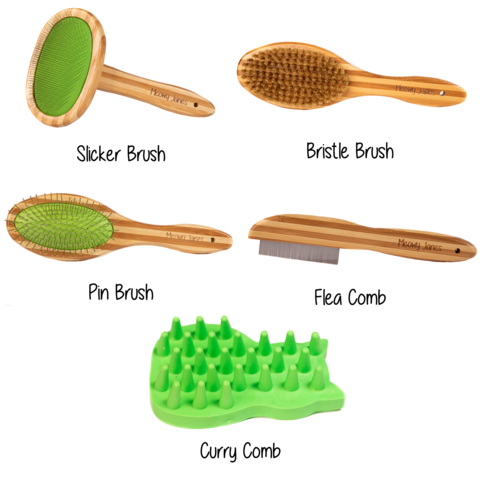
Types Of Brushes
Many brushes are available for cats. Slicker brushes work well for long-haired cats. They remove tangles and loose fur. Bristle brushes are gentle for short-haired cats. They smooth the coat and remove dirt.
Comfort And Ease
Choose a brush that is comfortable for you. A soft handle prevents strain. A lightweight brush is easy to use. Your cat’s comfort is also crucial. A gentle brush won’t hurt their skin. It should glide smoothly through their fur.
Testing The Brush
Test the brush on your arm first. Feel the bristles against your skin. Ensure it’s not too hard or sharp. If it feels good, your cat will likely agree.
Considering Your Cat’s Preferences
Each cat has personal preferences. Some prefer softer brushes. Others enjoy firmer brushes. Observe your cat’s reactions. Adjust your choice based on their comfort.
Techniques For Gentle Brushing
Brushing a cat that hates it can be challenging. Cats are creatures of comfort. They dislike anything that disturbs their peace. With the right techniques, gentle brushing is possible. This section explores effective methods to make brushing stress-free.
Start Slow
Begin with short sessions. This helps the cat get used to the brush. Patience is key. Gradually increase the duration as the cat becomes more comfortable.
Choose The Right Brush
Use a brush designed for cats. Soft bristles are ideal. They reduce discomfort and make brushing pleasant. Different brushes suit different fur types.
Find The Right Time
Timing matters. Brush when the cat is calm and relaxed. After a meal or nap works best. Avoid brushing during playtime or when the cat is upset.
Use Gentle Strokes
Light, gentle strokes help. Start from the top and move downwards. Avoid pulling or tugging. This prevents stress and keeps the cat at ease.
Offer Treats
Use treats as rewards. Give a treat after brushing. This creates positive associations with brushing. Gradually, the cat may even look forward to brushing.
Stay Calm
Your demeanor affects the cat. Stay calm and composed. Cats sense tension and react. A relaxed owner helps keep the cat calm.

Credit: meowyjanes.com
Frequently Asked Questions
How To Brush An Uncooperative Cat?
Begin by gently introducing the brush to your cat. Offer treats to create positive associations. Brush slowly, starting with short sessions. Focus on areas your cat enjoys. Gradually increase brushing time as your cat becomes more comfortable. Use a brush suited for your cat’s fur type.
Stay calm and patient throughout.
What To Do If My Cat Hates Being Brushed?
Introduce brushing gradually and use treats to create positive associations. Choose a brush your cat prefers. Brush gently and for short periods. Consider professional grooming if necessary.
How Do You Groom An Unwilling Cat?
Use treats and gentle handling to calm your cat. Brush slowly and softly. Take breaks if needed. Consider professional grooming if your cat resists strongly.
How To Brush A Cat’s Teeth Who Hates It?
Begin by gradually introducing the toothbrush and toothpaste. Use flavored toothpaste to entice your cat. Brush gently and reward with treats. Keep sessions short to minimize stress. Patience and consistency are key to success.
How Can I Calm My Cat Before Brushing?
Try using soothing music. Offer treats. Create a peaceful environment. This helps reduce stress and anxiety for your cat.
Conclusion
Brushing a cat that hates it can be challenging. Stay patient and calm. Use treats to make the experience positive. Try different brushes to find what they like. Create a routine to build trust over time. Short sessions work best for nervous cats.
Never force them to stay still. Pay attention to their body language. This helps avoid stress. With time and care, brushing can become easier. Your cat will feel more comfortable, and grooming will improve. Remember, patience and love are key.
Happy brushing!

Hi, I’m Taylor Morgan, the heart behind CATWhisk! As a lifelong cat enthusiast with a passion for feline care and behavior, I focus on providing reliable, practical, and engaging advice to cat parents everywhere. From health tips to fun DIY projects, my mission is to help you and your whiskered companions live your best lives together.