

Imagine this: your adorable feline, with eyes wide as saucers, has just realized it’s bath time. If your cat despises water, you know you’re in for a challenge.
But don’t worry, you’re not alone! Bathing a cat that hates water can feel like a daunting task, but it doesn’t have to be a battle. You can transform this dreaded experience into a more manageable, and even stress-free, process.
In this blog post, you’ll discover simple, effective strategies to make bath time less traumatic for both you and your furry friend. By understanding your cat’s fears and using a few clever tricks, you can turn this nerve-wracking chore into a calm, peaceful routine. Curious to learn how? Keep reading to uncover the secrets to a successful cat bath that won’t leave you both drenched and frazzled!
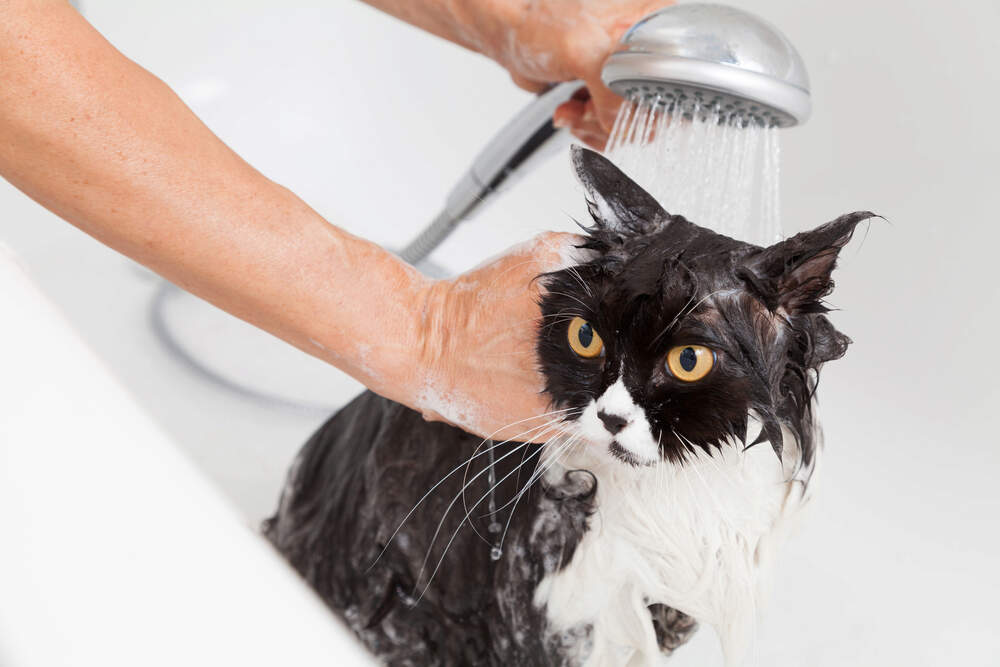
Credit: www.adamspetcare.com
Preparation Steps
Calmly prepare the environment, using towels and pet-safe shampoo. Keep treats handy to soothe your anxious cat. Gently introduce water, avoiding direct splashes, while maintaining a comforting tone.
Bathing a cat that despises water can feel like an uphill battle. Yet, with the right preparation steps, you can make the process smoother for both you and your feline friend. Before you even think about turning on the faucet, take the time to get organized. Proper preparation is key to minimizing stress and ensuring a safe and efficient bath time.
Gather Your Supplies
Before you bring your cat into the bathroom, make sure you have everything you need within arm’s reach. This includes cat-friendly shampoo, a large towel, a plastic cup for rinsing, and a non-slip mat. Having these items ready will save you from scrambling mid-bath and keep your cat’s stress levels from skyrocketing.
Trim Your Cat’s Nails
Cats can become defensive when they feel threatened by water. To avoid scratches, trim your cat’s nails the day before the bath. If you’re worried about trimming them yourself, consider a quick trip to the vet or a professional groomer. This simple step can save you from potential injuries.
Brush Your Cat’s Fur
Brushing your cat’s fur before the bath can help reduce mats and tangles. This makes the bathing process easier and more comfortable for your cat. A few minutes of brushing can also help relax your cat, setting a calmer tone for what comes next.
Choose The Right Time
Timing is everything. Aim to bathe your cat when they are naturally calmer, such as after a meal or a play session. A tired cat is generally more cooperative than an energetic one. Think about when your cat is most relaxed and plan the bath around that time.
Set The Temperature
Cats are sensitive to temperature changes. Make sure the water is lukewarm before you start the bath. Cold water can be a shock to your cat, while hot water can be dangerous. Test the water with your wrist to ensure it’s just right for your furry companion. When was the last time you tried something new with your cat? Perhaps trying these preparation steps will change how you and your pet experience bath time. With the right approach, you can turn a dreaded task into a manageable routine.

Credit: www.carrollcountyah.com
Bathing Techniques
Bathing a cat that dislikes water can be a challenging task. It’s essential to approach this process with patience and the right techniques. With the correct methods, you can make bath time less stressful for both you and your feline friend. Below, explore effective ways to bathe a water-shy cat.
Preparing The Bath Area
Choose a quiet, calm area for the bath. Fill a basin or sink with lukewarm water. Ensure the water level is low to avoid scaring your cat. Gather all bath supplies beforehand to minimize stress. Use pet-friendly shampoo for safety.
Introducing Your Cat To Water
Allow your cat to explore the bath area before starting. Use treats to encourage positive associations with the water. Wet a washcloth to gently dampen their fur. This helps them adjust to the sensation of water.
Keeping Your Cat Calm
Speak softly and reassure your cat throughout the bath. Avoid sudden movements that might startle them. Use gentle strokes while washing to soothe them. Take breaks if your cat seems overwhelmed.
Using Proper Bathing Techniques
Start washing from the neck down to minimize stress. Avoid getting water near their face or ears. Use a cup to pour water gently over their body. Rinse thoroughly to remove all shampoo residue.
Drying Your Cat Safely
Wrap your cat in a towel immediately after the bath. Pat them dry gently, avoiding rough rubbing. Use a hairdryer on a low setting if your cat tolerates it. Ensure they are warm and comfortable after drying.
Post-bath Care
Bathing a cat that dislikes water requires patience and gentle handling. Use a damp cloth for a quick clean. Post-bath, ensure your cat is warm and dry with soft towels.
Bathing a cat that despises water can feel like a Herculean task. Once you’ve managed to get them clean, the post-bath care is crucial. This is where the magic happens. You need to ensure your cat feels comfortable and stress-free. Let’s dive into how you can make your feline friend feel cozy and safe after their watery ordeal.
Drying Your Cat Gently
As soon as the bath is over, grab a soft towel. Cats can be sensitive to rough textures. Wrap your cat in the towel, allowing it to absorb excess moisture. Pat them dry rather than rub, as rubbing can irritate their skin and make them feel more anxious. If your cat allows, use a hairdryer on the lowest setting. Keep it a safe distance away to avoid overheating. The gentle hum can be calming for some cats. Pay attention to their body language; if they seem stressed, it’s best to stick to towels.
Offering A Treat
After a bath, reward your cat with a small treat. This can help create a positive association with the bathing process. Choose a treat they love, like a piece of chicken or a special cat biscuit. By offering treats, you’re reinforcing the idea that baths aren’t just about water. They’re about delicious rewards too. Does your cat have a favorite treat that always gets their attention?
Creating A Warm Environment
Cats love warmth, especially after a bath. Ensure their favorite spot is cozy and inviting. A heated blanket or a sunny window can work wonders. Make sure the area is quiet and away from any chaos. This warm environment can ease any residual stress they might have. Think about your cat’s preferred lounging area. Can you make it even more comfortable?
Gentle Grooming
Post-bath is a great time to gently groom your cat. Use a soft brush to remove any tangles or loose fur. This not only keeps their coat healthy but can be incredibly soothing. Grooming helps in bonding and reassures your cat. Have you noticed how grooming relaxes them? It’s a chance to spend quality time together.
Monitoring Their Behavior
Keep an eye on your cat for a while after the bath. Are they acting normal, or do they seem upset? Cats can sometimes hide if they’re stressed. If they seem out of sorts, spend a little extra time with them. Reassure them with your presence. Could they be telling you they need more comfort? Incorporate these post-bath care tips and notice how your cat’s demeanor changes. You might find they become less resistant to baths in the future. Isn’t it rewarding to see your cat content and clean?

Credit: www.danaparkvethospital.com
Frequently Asked Questions
How Do You Bathe An Unwilling Cat?
Gently wrap your cat in a towel, leaving the head exposed. Use a calm voice to soothe them. Use lukewarm water and cat-friendly shampoo. Rinse thoroughly, avoiding the face. Dry with a soft towel and offer treats for comfort.
How Do You Give Your Cat A Bath Without Them Freaking Out?
Use warm water and a gentle cat shampoo. Keep the environment calm and quiet. Slowly introduce water, starting from the paws. Speak soothingly to reassure your cat. After the bath, gently towel-dry and offer treats.
Is There A Way To Bathe A Cat Without Water?
Yes, you can bathe a cat without water using dry shampoo or pet wipes. These products clean fur effectively. Make sure to choose cat-safe options and gently massage or wipe the fur. Dry bathing is less stressful and convenient for cats who dislike water.
How To Desensitize Your Cat To Water?
Start by introducing your cat to water gradually. Use a shallow dish and let them explore. Offer treats and gentle praise when they approach or touch the water. Increase water exposure slowly, using toys to encourage play. Practice patience and consistency to help your cat become comfortable with water.
How Do I Calm My Cat Before Bathing?
Try using calming sprays or treats. They help reduce stress. Play soothing music. Keep a gentle voice.
Conclusion
Bathing a cat that hates water can be challenging. Patience is key. Start with small steps. Use treats to encourage calm behavior. Speak softly and comfort your cat. Keep the bathing area quiet and safe. Use lukewarm water and a gentle touch.
Consider using a washcloth instead of direct water. Dry your cat thoroughly afterward. Always reward good behavior with praise or a treat. This positive reinforcement helps build trust. Regular grooming might reduce the need for baths. With time and care, bathing can become less stressful for both you and your cat.

Hi, I’m Taylor Morgan, the heart behind CATWhisk! As a lifelong cat enthusiast with a passion for feline care and behavior, I focus on providing reliable, practical, and engaging advice to cat parents everywhere. From health tips to fun DIY projects, my mission is to help you and your whiskered companions live your best lives together.