
Have you ever found yourself wondering if your cat needs a bath? You’re not alone.
While cats are known for their fastidious grooming habits, there are times when even the most diligent feline might need a little help. But how do you know when it’s time to break out the shampoo? You might feel uncertain, even a bit overwhelmed, but don’t worry.
This guide is here to help you decode your cat’s signals, ensuring your furry friend stays happy and healthy. By the end of this article, you’ll be equipped with the knowledge to confidently determine when your cat needs a bath, making you the hero your pet deserves. So, let’s dive in and uncover the secrets to keeping your cat fresh and clean!
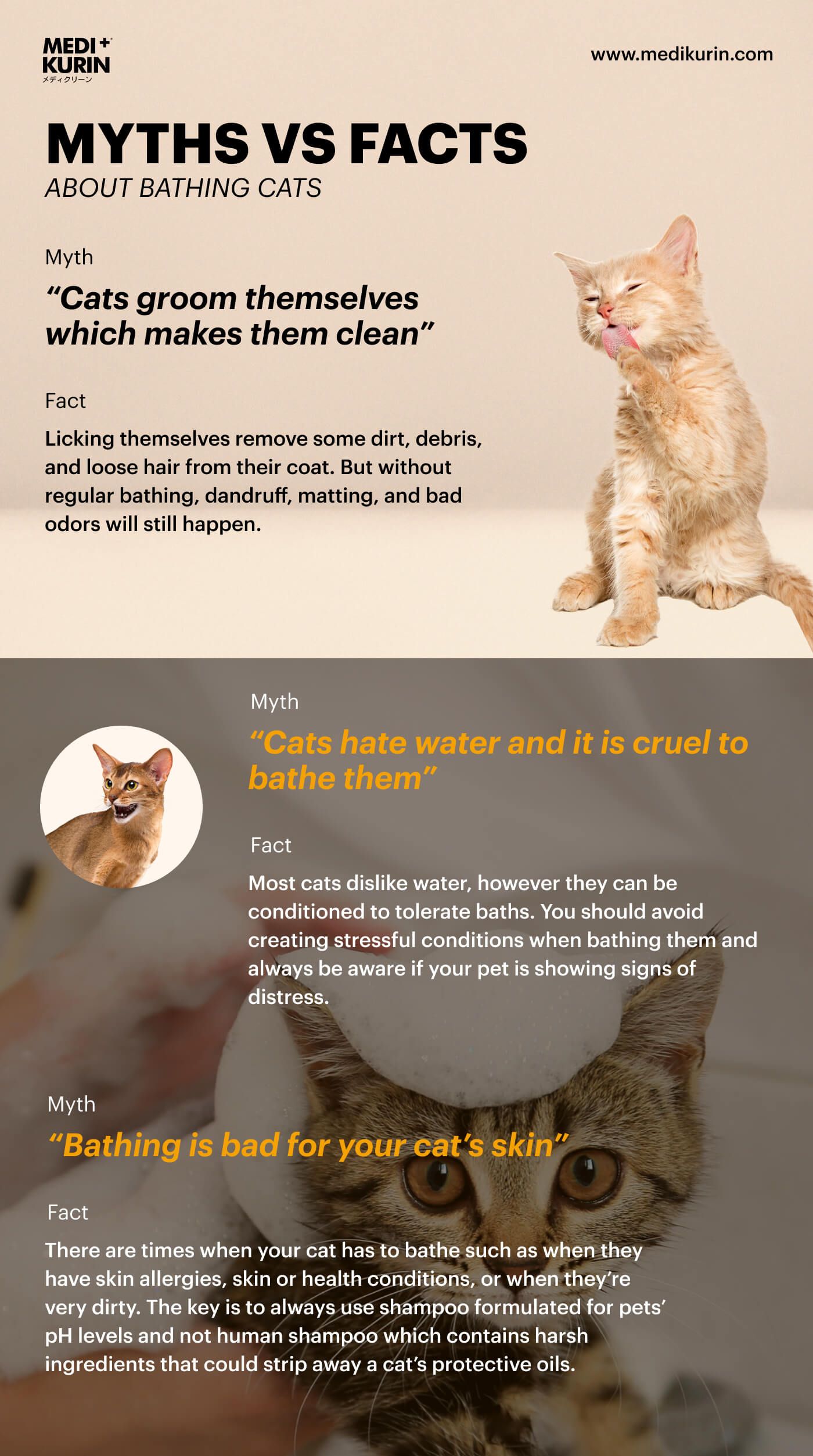
Credit: medikurin.com
Signs Of Dirt And Grime
Recognizing the signs of dirt and grime on your cat is crucial. Cats are naturally clean animals, but sometimes they need a little help. Understanding when your furry friend needs a bath can keep them healthy. So, what should you be on the lookout for?
Visible Dirt
Check your cat’s fur for visible dirt. If you see patches of dirt, it’s a sign. Cats often roll on the ground, which can lead to dirt buildup. Regular brushing helps, but sometimes a bath is necessary.
Greasy Coat
Feel your cat’s fur. If it feels greasy or oily, it might need a wash. This can occur if your cat has been around oily surfaces. A greasy coat can also attract more dirt.
Unusual Smells
Smell your cat’s fur. An unusual odor is a strong indicator. Cats have their own scent, but if it smells bad, it might be time for a bath. Odors can come from food spills or outdoor adventures.
Sticky Fur
Touch your cat’s fur for any stickiness. Sticky fur might mean contact with sugary or sticky substances. This can happen during playtime or exploration.
Matted Fur
Look for matted fur, especially in long-haired cats. Mats can trap dirt and grime. Regular grooming can prevent mats, but severe cases may require a bath. Mats can lead to skin issues if not treated.
Frequent Scratching
Watch for excessive scratching. Dirt can irritate the skin, causing your cat to scratch more. Scratching might mean dirt or fleas are present. A bath can help relieve skin irritation.
Credit: kittyspaw.com
Odor And Smell Issues
Cats are known for their grooming habits. They often clean themselves meticulously. Yet, sometimes, a bath becomes essential. Odor and smell issues are key indicators your cat might need a bath. Understanding these signs helps maintain your pet’s health and hygiene. A clean cat is a happy cat.
Unusual Odors
Noticing a strange smell coming from your cat? It might be time for a bath. Cats usually smell neutral due to their grooming. An unusual odor can signal trapped dirt or oils. This is especially common in long-haired cats.
Persistent Bad Smell
If a bad smell persists despite grooming, your cat needs a bath. Sometimes, cats roll in something foul outside. These smells cling to their fur. A bath helps remove these stubborn odors.
Greasy Fur
Check if your cat’s fur feels greasy or oily. This condition can trap dirt and odors. Cats with greasy fur might need help with their grooming. A bath can restore their fur’s natural state.
Visible Dirt
Visible dirt on your cat’s fur means it’s bath time. Dirt can carry smells and bacteria. Regular baths prevent these issues. Ensure your cat’s coat is clean and healthy.
Skin And Coat Health Indicators
Cats might need a bath if their fur feels greasy or smells bad. Tangled hair and dandruff are also signs. Pay attention to their appearance and odor.
Understanding your cat’s skin and coat health is crucial in determining if they need a bath. Cats are known for their grooming habits, but sometimes they might need a little help from you. Observing specific indicators can guide you in making the right decision. Let’s dive into what you should look out for.
Excessive Shedding
Is your cat shedding more than usual? While shedding is natural, excessive hair loss can signal skin issues. If you notice bald patches or thinning fur, it might be time for a bath to remove excess hair and stimulate new growth.
Unpleasant Odor
Has your cat started to smell different? An unpleasant odor can be a sign of skin infections or accumulated dirt. Cats are usually odorless, so a bad smell could mean a bath is needed to freshen them up and keep skin problems at bay.
Greasy Coat
Does your cat’s fur feel oily or look dull? A greasy coat might indicate that natural oils are building up, which can lead to skin irritation. A gentle bath can help restore their coat’s natural shine and balance.
Visible Dirt And Debris
Can you see dirt and debris stuck in your cat’s fur? Outdoor adventures or playful romps might leave your cat’s coat visibly dirty. A bath can effectively remove these particles, ensuring your cat’s skin stays healthy and clean.
Itching And Scratching
Is your cat scratching more than usual? Persistent itching could be due to skin allergies or parasites. Bathing can soothe irritated skin and eliminate potential allergens, providing relief for your furry friend.
Presence Of Fleas Or Ticks
Have you noticed fleas or ticks on your cat? These pests not only irritate your cat but can lead to serious health issues. A bath with appropriate treatment can help eliminate these parasites and protect your cat’s skin.
Flaky Skin
Is your cat’s skin flaky or dry? Flaky skin might be a sign of dandruff or dryness. A moisturizing bath can help hydrate their skin and reduce flakiness, promoting a healthier coat. — Think about your cat’s daily behavior and appearance. Are any of these signs present? A bath might be just what your cat needs for a happier, healthier life. Remember, taking care of your cat’s skin and coat health is a proactive step towards their overall well-being.
Credit: www.purina.co.uk
Frequently Asked Questions
How Often Should You Wash An Indoor Cat?
Wash an indoor cat every 4-6 weeks. Regular grooming reduces the need for frequent baths. Use cat-friendly shampoo. Keep your pet’s environment clean to maintain hygiene. Adjust based on your cat’s needs and behavior.
Is It Necessary To Give An Indoor Cat A Bath?
Indoor cats rarely need baths. They usually groom themselves effectively. Bathing might be necessary if they’re dirty, smelly, or have health issues like fleas. Use cat-friendly shampoo for safety. Regular brushing helps maintain their coat and reduce shedding, keeping them clean without frequent baths.
Consult a vet for specific hygiene concerns.
Do Cats Feel Better After A Bath?
Cats usually feel stressed during baths. They typically prefer self-grooming. Some may feel better if they’re dirty or have skin issues. It’s essential to use cat-friendly products and ensure a gentle experience. Regular grooming with a brush can often be a better option for their comfort.
Do Cats Prefer Warm Or Cold Baths?
Cats generally prefer warm baths. They feel more comfortable and relaxed in warm water. Cold baths can be distressing for them, potentially causing stress and discomfort. It’s best to maintain a temperature that mimics their body warmth to ensure their comfort during bath time.
How Often Should Cats Be Bathed?
Cats usually groom themselves. Bathing is rarely needed. Bath them only if they’re dirty or have health issues.
Conclusion
Cats usually groom themselves, staying clean and fresh. Yet, sometimes they need help. Notice any strong odors? Matted fur? Dirt clinging to their coat? These are signs a bath is needed. Ensure you use cat-friendly products. Stay calm and gentle during the process.
Bathing can be stressful for cats. Always dry them thoroughly afterwards. Reward your cat with treats or affection. Regular checks help maintain their cleanliness. Keeping your cat clean means a happier, healthier pet. Remember, a clean cat is a comfortable cat.
Always prioritize their comfort and well-being during any grooming session.

Hi, I’m Taylor Morgan, the heart behind CATWhisk! As a lifelong cat enthusiast with a passion for feline care and behavior, I focus on providing reliable, practical, and engaging advice to cat parents everywhere. From health tips to fun DIY projects, my mission is to help you and your whiskered companions live your best lives together.