
Last Updated on August 31, 2026
Imagine coming home after a long, tiring day and being greeted by a purring ball of fur eager to snuggle up on your lap. Sounds perfect, right?
If you’re considering adopting a kitten, you might be wondering if your future feline friend will be one of those affectionate lap cats. Understanding the subtle clues can help you predict whether your kitten will grow into a cuddly companion.
By the end of this article, you’ll have the insights you need to spot those telltale signs and set the stage for a warm, loving bond with your pet. Dive in to learn how you can identify the makings of a lap cat and enhance your future feline cuddles!
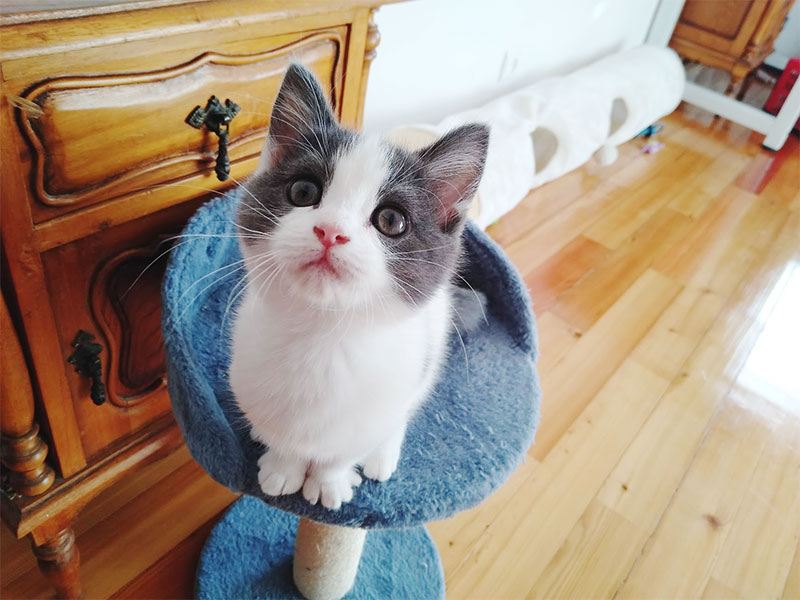
Credit: kittyclysm.com
Kitten Behavior Traits
Understanding kitten behavior traits can help predict if a kitten will be a lap cat. These traits can be subtle but offer clues about a kitten’s future preferences. Observing how a kitten acts and interacts can reveal much about its personality.
Kitten Behavior Traits: Seeking Warmth
Kittens that frequently seek warm places show signs of wanting comfort. They often snuggle in blankets or curl up near heat sources. This behavior suggests a natural inclination for closeness.
Kitten Behavior Traits: Social Interaction
Kittens that enjoy human interaction tend to become lap cats. Watch for kittens that follow people around or seek attention. These actions hint at a social and affectionate nature.
Kitten Behavior Traits: Calm And Gentle Nature
A calm kitten is more likely to be a lap cat. Observe if the kitten remains relaxed during petting sessions. Gentle kittens often enjoy sitting quietly on laps.
Kitten Behavior Traits: Playfulness
Playful kittens might become lap cats as they mature. Look for kittens that enjoy playing but also settle down easily. This balance indicates they may appreciate lap time.
Kitten Behavior Traits: Purring Frequency
Frequent purring often signals contentment and affection. Kittens that purr when held might prefer being close. This trait suggests a potential future lap cat.
Signs Of Affection
Kittens that enjoy cuddling or purring often may become lap cats. Gentle nudges or rubbing against you are good signs. Playful yet calm behavior usually indicates a future lap-loving companion.
Understanding whether your kitten will become a lap cat can be both exciting and mysterious. Kittens show affection in various ways, and these signs can often hint at their future behavior. As you spend time with your kitten, observe their actions closely. Are they naturally drawn to your lap, or do they prefer their own space? Recognizing these affectionate gestures can guide you in nurturing a close bond with your furry friend.
Frequent Purring
A kitten that purrs often is expressing contentment. When your kitten purrs while being near you, it’s a strong sign they enjoy your company. This soft rumble is like their way of saying “I’m happy here.” If you notice this behavior frequently, your kitten may be more inclined to snuggle on your lap.
Kneading
Kneading is when kittens push their paws against surfaces, often your lap. This behavior traces back to kittenhood when they knead their mother to stimulate milk flow. If your kitten kneads you, they’re showing comfort and affection. It’s like they’re trying to recreate the cozy feeling of being with their mother.
Following You Around
Does your kitten follow you from room to room? This constant companionship indicates a strong attachment. Your kitten sees you as a source of security and warmth. Such behavior often leads to them seeking your lap for a nap, as they trust you completely.
Head Butting
Head butting or “bunting” is a classic feline sign of affection. When your kitten gently bumps their head against you, they’re marking you with their scent. This behavior is a way of saying “You’re mine, and I trust you.” Cats that frequently bunt are often more likely to become lap cats.
Comfortable In Your Lap
Observe how your kitten behaves when you place them in your lap. Are they at ease, settling down quickly? If your kitten looks relaxed and stays in your lap without squirming, it’s a promising sign. Comfort in your lap often means they’ll seek it out on their own as they grow.
Curiosity And Exploration
A curious kitten might explore your lap out of sheer interest. They may climb onto your lap just to see what’s there. This curiosity can gradually turn into affection as they associate your lap with positive experiences. Encourage this exploration by making your lap a welcoming space.
Playfulness Around You
Playful kittens often translate their energy into affection. If your kitten engages you in play, it indicates they feel safe and happy around you. Such kittens tend to relax on your lap after playtime, seeking comfort and warmth. As you observe these signs, consider how you can encourage your kitten’s affection. Are there ways you can make your lap more inviting? Could more playtime strengthen your bond? Use these insights to deepen your connection and enjoy the journey of finding out if your kitten will be a lap cat.
Encouraging Lap Sitting
Observing a kitten’s behavior can reveal its lap cat potential. Notice frequent cuddling and purring during quiet moments. These signs often indicate a future lap-loving companion.
Welcoming a kitten into your home is an exciting experience. If you’re hoping your kitten will grow into a cuddly lap cat, you might be wondering how to encourage this behavior. While some kittens are naturally inclined to sit on laps, others might need a little more encouragement. With a few simple techniques, you can foster a stronger bond with your kitten and increase their comfort with lap sitting.
Building Trust And Comfort
Developing trust is essential for encouraging lap sitting. Spend time with your kitten, offering gentle strokes and soft words. This helps them feel safe and secure. Make your lap a cozy space by using a soft blanket. You might find your kitten is more inclined to curl up when they feel warmth and softness. Have you ever thought about how your kitten perceives your movements? Slow, deliberate actions can make a big difference in keeping them calm.
Using Positive Reinforcement
Positive reinforcement is a powerful tool. Treats can be a great motivator for your kitten. Each time your kitten sits on your lap, offer them a small treat. This creates a positive association with lap sitting. Consider using praise or gentle petting as a reward. Your kitten will learn that lap sitting brings pleasant experiences.
Creating A Routine
Consistency is key. Establish a routine by inviting your kitten to sit with you at the same time each day. Have you noticed how routine activities can become comforting? Kittens thrive on predictability, which can make them more open to lap sitting. Spend a few minutes each day encouraging lap sitting. Over time, your kitten will likely begin to anticipate these moments.
Understanding Your Kitten’s Preferences
Every kitten is unique. Pay attention to your kitten’s likes and dislikes. Does your kitten prefer certain areas of the house? Consider sitting in those spaces to increase their comfort. Take note of your kitten’s favorite toys. You might find that having them nearby can make lap sitting more appealing. Are you ready to transform your kitten into a lap-loving companion? With patience and understanding, you’ll be well on your way to nurturing a strong bond that includes cozy lap sitting sessions.

Credit: ca.pinterest.com

Credit: www.reddit.com
Frequently Asked Questions
At What Age Do Kittens Start Lapping?
Kittens typically start lapping water or milk around 4 weeks old. This is when they begin weaning off their mother’s milk. Encourage them by offering shallow dishes. Lapping helps them transition to solid foods, supporting their growth and development.
What Is The 3-3-3 Rule For Kittens?
The 3-3-3 rule for kittens guides their transition into new homes. It suggests 3 days for feeling overwhelmed, 3 weeks to settle and explore, and 3 months to fully adapt and feel comfortable. This rule helps new pet owners understand and support their kitten’s adjustment process.
How To Tell If A Kitten Will Be A Long-haired Cat?
Examine the kitten’s fur length and texture. Longer, softer fur often indicates a long-haired cat. Check the parents’ fur types, as genetics play a key role. Ears and paws may have tufts in long-haired breeds. Observe the kitten’s grooming habits; frequent grooming suggests longer fur maintenance.
How Do You Know If Your Cat Is A Lap Cat?
A lap cat enjoys sitting on your lap frequently, seeking warmth and comfort. It shows affection by purring and kneading. If your cat often chooses your lap over other spots, it’s likely a lap cat. Observe its behavior to confirm its preference for close human interaction.
How Do I Know If My Kitten Is A Lap Cat?
Observe if your kitten likes to sit on your lap often. This is a strong indication.
Conclusion
Spotting a lap cat requires patience and observation. Notice their behavior. Do they enjoy cuddles? Do they purr when held? These signs suggest a future lap cat. Observe their social nature. Are they friendly with people? This can indicate a loving companion.
Remember, every kitten is unique. Some grow more affectionate with time. Being gentle and kind helps build trust. Your kitten may surprise you with their affection. Enjoy the journey with your furry friend.

Hi, I’m Taylor Morgan, the heart behind CATWhisk! As a lifelong cat enthusiast with a passion for feline care and behavior, I focus on providing reliable, practical, and engaging advice to cat parents everywhere. From health tips to fun DIY projects, my mission is to help you and your whiskered companions live your best lives together.