
Have you ever wondered about the moment your playful little kitten grows into a mature cat? Understanding this transition is more than just a fascinating journey; it’s crucial for ensuring your feline friend receives the right care at every stage of life.
You might think that a cat is simply a bigger version of a kitten, but the changes they undergo are as captivating as they are significant. Knowing when a cat is no longer considered a kitten can help you make informed decisions about their diet, healthcare, and overall well-being.
This knowledge also deepens your connection, making every purr and playful leap even more meaningful. Stick around to uncover the signs of this transformation and how it impacts your furry companion’s life.
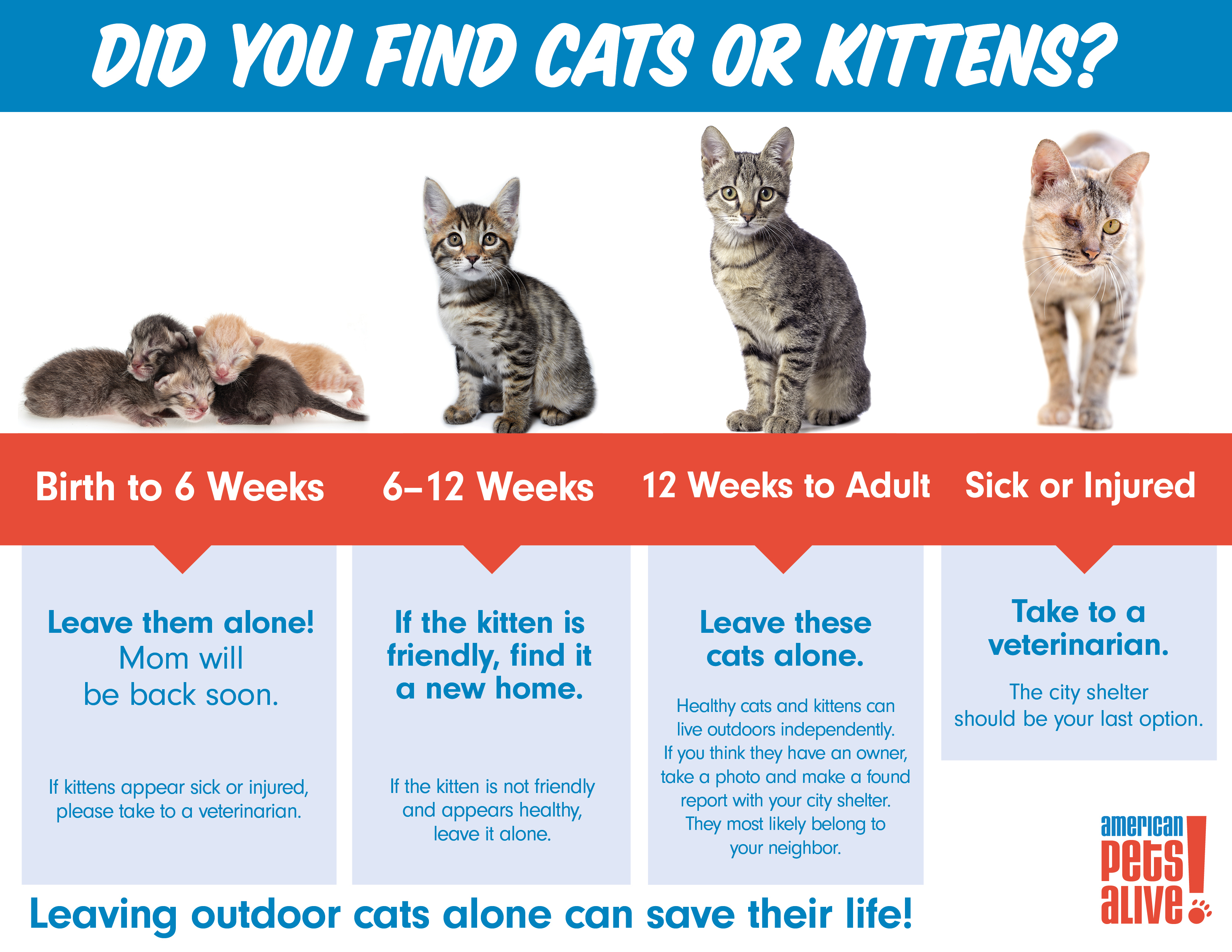
Credit: americanpetsalive.org
Feline Growth Stages
Cats transition from playful kittens to mature adults around one year old. At this age, their physical and social behaviors change. This marks the end of kittenhood, signifying the beginning of adulthood in feline growth stages.
Understanding the growth stages of a cat can be both fascinating and insightful. As your furry companion transitions from a tiny kitten to a full-grown cat, you might wonder when exactly this change happens. Knowing these stages helps you provide the right care and nutrition at every phase of their life. Let’s delve into the stages of feline growth and discover when your kitten truly becomes a cat.
1. Neonatal Stage (0-2 Weeks)
During the first two weeks, kittens are entirely dependent on their mother. Their eyes and ears are closed, and they spend most of their time sleeping or nursing. This stage is crucial for their initial development and bonding with their mother.
2. Transitional Stage (2-4 Weeks)
Kittens start to open their eyes and ears, exploring their surroundings with curiosity. They begin to develop motor skills and social behaviors. Watching a kitten take its first wobbly steps can be an adorable sight!
3. Socialization Stage (4-12 Weeks)
This is the time when kittens are most playful and adventurous. They learn vital social skills from interactions with their littermates and humans. It’s a great opportunity for you to introduce them to new environments and gentle handling.
4. Juvenile Stage (3-6 Months)
Kittens grow rapidly and start to lose their baby teeth. They become more independent and their personalities begin to show. It’s akin to the teenage years for humans—full of energy and exploration.
5. Adolescence (6-12 Months)
During adolescence, kittens reach sexual maturity. You might notice a change in behavior as they test boundaries and assert their independence. This is also the time to consider spaying or neutering if not already done.
6. Adult Stage (1-7 Years)
Once a cat hits one year, it is generally considered an adult. Their growth slows down, and they settle into their personality and routine. Adult cats require a balanced diet to maintain their health and energy levels.
7. Senior Stage (7+ Years)
As cats age, they may become less active and more prone to health issues. Regular vet check-ups and a diet tailored for older cats can help them stay healthy. Do you notice your cat sleeping more? It might be entering its senior years. Recognizing these stages helps you meet your cat’s changing needs. As your cat grows, so does your bond, creating a lifelong companionship. How has your journey been with your feline friend?
Credit: www.feliway.co.uk
Physical And Behavioral Changes
Cats lose their kitten features by one year. Playful behavior changes to more independence. Their body grows, fur matures.
As your playful kitten grows, you’ll notice changes that signal they are becoming a mature cat. These changes aren’t just physical; they involve shifts in behavior too. Understanding these transformations can help you cater to your cat’s evolving needs, enhancing their well-being and strengthening your bond.
Physical Changes In Cats
Your kitten’s physical transformation is fascinating. Their once fluffy coat becomes sleek and shiny. You’ll observe their eyes change color, settling into a more permanent hue. Their size will increase significantly. A kitten’s rapid growth is usually complete by the age of one. Their body becomes more muscular, and they’ll develop greater agility. Teeth are another indicator. Baby teeth fall out, replaced by adult teeth. This often happens between four to six months. Regular dental checks are essential to prevent issues later.
Behavioral Changes In Cats
Behavior shifts are equally intriguing. Your kitten’s energy levels might moderate. Instead of the endless play sessions, they may prefer cozy naps. Social interactions change too. A kitten might be more curious and exploratory, while an adult cat can be more reserved. You might notice a change in how they respond to new stimuli or strangers. Their vocalizations can evolve. A kitten’s meows are often high-pitched, while adult cats have a deeper tone. Understanding these nuances can help you communicate effectively with your feline friend.
Practical Tips For Transition
Prepare for these transitions with actionable steps. Provide age-appropriate food that caters to their nutritional needs. Adult cats require different nutrients than kittens. Adjust playtime to suit their energy levels. Interactive toys can keep them engaged without exhausting them. Keep up with vet visits. Regular health checks ensure they’re developing properly and catch any potential issues early.
Final Thoughts
How do these changes impact your relationship with your cat? Observing and adapting to these changes can deepen your connection. Are you ready to embrace your cat’s journey to adulthood?
Transition To Adulthood
Have you ever wondered when your adorable kitten becomes a full-fledged adult cat? The transition from kittenhood to adulthood is a fascinating journey, filled with milestones and changes. This period is crucial as your furry friend develops into their adult personality and physical maturity. Understanding this transition can help you nurture and bond with your cat in meaningful ways.
What Changes Occur?
As your kitten grows, you’ll notice several physical and behavioral changes. Their playful antics might mellow out a bit, and they start to look more like a sleek adult cat. The transformation often begins around six months, and by the time they hit one year, most cats are considered adults.
There’s a shift from the boundless energy of kittenhood to a more balanced adult demeanor. You might find them sleeping more, a sign of their maturing body and mind. But don’t worry, they still have playful moments that will keep you entertained!
Physical Development Milestones
During the transition, your cat’s physical growth is significant. You’ll see them gain weight and muscle, and their coat will become thicker and more lustrous. These changes are vital signs of their healthy development.
Teething is another milestone during this time. Adult teeth replace the baby ones, which can cause discomfort. Providing chew toys helps alleviate this and keeps them from nibbling on your belongings.
Behavioral Shifts
As they approach adulthood, cats often display changes in their behavior. You may notice a shift in their social interactions; they might become more independent or, conversely, enjoy more cuddles.
This is a fantastic time to reinforce positive behaviors. Training and setting boundaries can establish lifelong habits. But remember, patience is key, as every cat has its own pace of learning.
Feeding And Nutrition
With the transition comes a change in dietary needs. Adult cats require different nutrients compared to kittens. It’s essential to switch their food to an adult cat formula to support their growth and health.
Monitoring your cat’s weight during this period is crucial. Overfeeding can lead to obesity, which is a common issue in adult cats. A balanced diet keeps them active and healthy.
Emotional Growth
Your cat’s emotional maturity is just as important as their physical changes. They begin to establish their territory and routine, which can sometimes lead to territorial behavior.
Understanding their emotional needs can help you prevent stress and anxiety. Provide a safe and comfortable environment to nurture their emotional health.
Have you noticed these changes in your own cat? What are some ways you can support their growth? Observing your feline friend during this transition can be a rewarding experience, filled with learning and bonding moments.
Credit: greensafaris.com
Frequently Asked Questions
What Is The 3-3-3 Rule For Cats?
The 3-3-3 rule for cats helps them adjust in new homes. It represents 3 days to decompress, 3 weeks to learn routines, and 3 months to feel completely comfortable. Following this rule supports a smooth transition and builds trust with your feline friend.
What Age Is A Cat No Longer A Kitten?
A cat is no longer a kitten at around 12 months old. They reach adulthood at this age.
Can A 7 Month Old Kitten Eat Cat Food?
Yes, a 7-month-old kitten can eat cat food. Choose high-quality kitten food for balanced nutrition. Ensure it’s specially formulated for kittens to support growth and development. Gradually transition to adult cat food around 12 months. Consult your vet for personalized feeding advice.
Is My Cat Still A Kitten At 1 Year Old?
At 1 year old, your cat is typically considered an adult. Most cats transition from kitten to adult stage around this age. While some playful behaviors may continue, their physical and developmental growth usually signifies adulthood. Regular vet check-ups are essential during this stage for optimal health.
How Do I Know When My Cat Is Not A Kitten?
Cats usually stop being kittens at around 12 months old. Behavior and size change too.
Conclusion
Cats grow up fast, leaving kittenhood behind. Their curiosity stays, but maturity kicks in. Owners notice subtle changes. Playfulness shifts to calmness. Sleeping spots change. Independent behaviors increase. Social interactions evolve. Understanding these shifts helps in caring better. Each cat ages at its own pace.
Observing their changes is key. It brings joy and wisdom. Recognizing these stages deepens the bond. Cats are more than cute kittens. They’re unique companions. Their journey from kitten to cat enriches our lives. Celebrate the transition. Appreciate the wisdom they bring.
Always cherish their playful spirit. It’s a rewarding relationship.

Hi, I’m Taylor Morgan, the heart behind CATWhisk! As a lifelong cat enthusiast with a passion for feline care and behavior, I focus on providing reliable, practical, and engaging advice to cat parents everywhere. From health tips to fun DIY projects, my mission is to help you and your whiskered companions live your best lives together.