
Last Updated on February 18, 2026
Are you tired of the unpleasant smell wafting from your cat’s litter box? You’re not alone.
Litter odor can be a persistent problem, but the solution is simpler than you might think. Imagine walking into your home, greeted by a fresh, clean scent instead of an overpowering stench. That’s the power of effective litter odor control.
In this guide, you’ll discover the secrets to setting up the perfect litter box, selecting the right substrates, and establishing a cleaning schedule that works. You’ll learn how small changes can make a big difference, transforming your space into a pleasant environment for both you and your feline friend. Stick around as we reveal practical tips and tricks that will revolutionize your litter box routine, making your home smell as inviting as it looks.
Contents
Choosing The Right Litter Box
Effective litter odor control relies on proper box setup. Choose substrates that absorb smells and ensure regular cleaning. A consistent cleaning schedule keeps odors at bay and maintains a fresh environment.
Choosing the right litter box for your feline friend can make a world of difference in managing litter odor. It’s more than just a simple purchase; it’s a vital decision that affects both you and your cat’s daily life. A well-chosen litter box can reduce unpleasant smells, ensure your cat’s comfort, and make cleaning a breeze. Let’s explore how to make the best choice for your home and your pet.
Size Matters
The size of the litter box is crucial for your cat’s comfort and for keeping odors at bay. A box that’s too small might discourage your cat from using it regularly. Consider the size of your cat and ensure the box is spacious enough for them to move around comfortably.
Open Vs. Covered Boxes
Think about whether you prefer an open or a covered box. Open boxes allow for better air circulation, which can help with odor control. However, covered boxes can contain smells better but may require more frequent cleaning to ensure odors don’t build up.
Material And Durability
The material of the litter box can impact its lifespan and how easy it is to clean. Plastic is a common choice due to its affordability and ease of cleaning. Ensure the material is durable to withstand regular use and cleaning without cracking.
Self-cleaning Options
If you’re looking for convenience, consider self-cleaning litter boxes. They can significantly reduce the time you spend on maintenance. However, they may come at a higher cost, so weigh the benefits against your budget.
Height And Accessibility
The height of the litter box sides is important for cats of different ages and sizes. For older cats or those with mobility issues, a box with lower sides might be more accessible. For kittens, consider a box they can easily climb into and out of.
Your Home’s Layout
Where you place the litter box can affect odor control. Choose a location that is easily accessible to your cat but away from high-traffic areas. A quiet, well-ventilated spot can help manage odors and keep your cat comfortable.
Personal Experience: Trial And Error
When I first got my cat, I went through three different litter boxes before finding the right one. Each cat is unique, and sometimes it takes a bit of experimentation. Don’t be afraid to try different styles and setups to see what works best for your pet. Choosing the right litter box is a blend of considering your cat’s needs and your household dynamics. With the right choice, you can maintain a fresh-smelling home and a happy cat. What type of litter box do you think your feline would prefer?

Credit: www.teamduval.org
Effective Odor Management
Managing litter odor effectively can transform your home environment and improve your pet’s well-being. If you’re tired of unpleasant smells wafting through your living space, it’s time to rethink your litter box setup. From choosing the right substrates to establishing a consistent cleaning schedule, each decision can impact odor control. Are you ready to banish those odors for good?
Box Setup: Choosing The Right Substrates
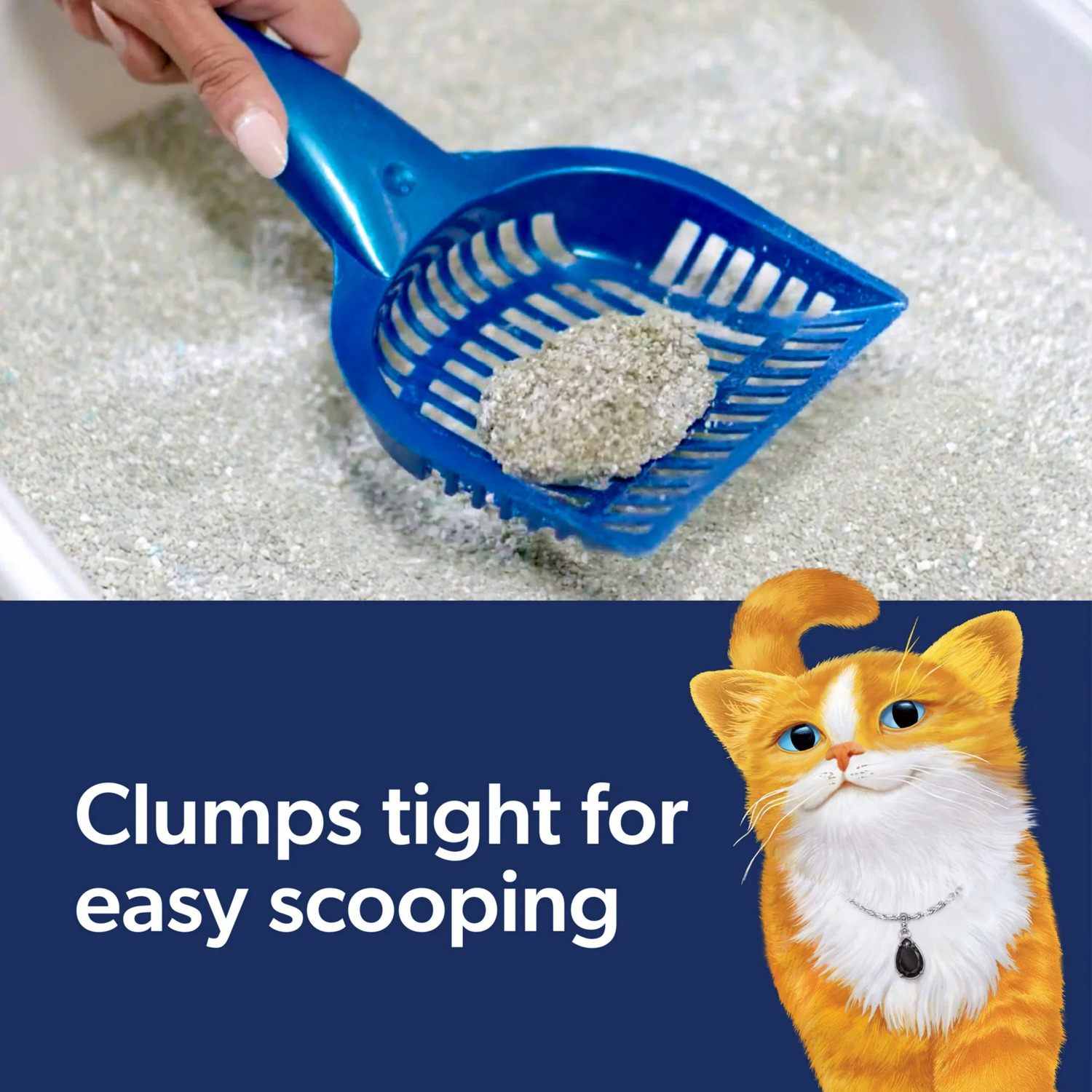
Picking the right substrate for your litter box can make a huge difference in odor management. Clumping clay litter is popular for its ability to trap moisture, minimizing odor. But there’s more to consider.
Consider natural options like pine pellets, which absorb odors and leave a fresh scent. Or try recycled paper litter for an eco-friendly choice that tackles smells effectively. Your cat’s preference matters too. Observe their reaction to different substrates and choose accordingly.
Cleaning Schedule: Frequency Matters
How often you clean the litter box is crucial. A regular schedule not only keeps odors at bay but also promotes your cat’s health. Cleaning once a day can significantly reduce smell, but twice a day ensures even fresher results.
Set a reminder on your phone to scoop the litter regularly. Deep cleaning the box weekly can prevent stubborn smells from lingering. Remember, a clean box is a happy box—and a happy cat!
Additional Tips For Odor Control
Think beyond the box. Consider investing in an air purifier near the litter area. It can help neutralize smells that escape the box, keeping the room fresh.
Sprinkle baking soda in the litter. This simple trick can absorb and reduce odors. Try lining the box with absorbent liners for an extra layer of protection against smells.
Does your box have a lid? Removing it can improve ventilation, which may help with odor control. Experiment with these strategies to find what works best for your home.
Effective odor management is all about finding the right balance between substrates, cleaning, and additional tactics. What will you try next to conquer those pesky litter odors?
Cleaning And Maintenance Tips
Keeping your cat’s litter box fresh and odor-free requires regular cleaning and maintenance. A consistent routine ensures a pleasant environment for your pet and keeps unpleasant smells at bay. Follow these tips to maintain a clean and welcoming space for your feline friend.
Cleaning Frequency
Clean the litter box at least once a day. This prevents odors from building up. Scooping out waste regularly helps maintain hygiene. If you have multiple cats, you may need to clean more often.
Choosing The Right Substrates
Select substrates that absorb moisture well. Clumping litter is a popular choice for easy cleaning. Natural substrates like pine or paper pellets can also control odors effectively.
Deep Cleaning Routine
Perform a deep clean every week. Empty the box completely and wash it with warm water and mild soap. Avoid strong chemicals that can harm your cat. Allow the box to dry thoroughly before adding fresh litter.
Regular Inspections
Check the litter box for any damage. Cracks can trap odors and bacteria. Replace the box if it shows signs of wear. This ensures a hygienic environment for your cat.
Maintaining Air Quality
Place the litter box in a well-ventilated area. Good airflow reduces odors naturally. Consider using an air purifier near the litter box for added freshness.
Use Odor Control Products
Add baking soda to the litter to neutralize odors. You can find products specifically designed for odor control. These can be mixed with the litter for effective results.

Credit: www.amazon.com
Credit: www.petsupermarket.com
Frequently Asked Questions
What Is The Best Litter Box Cleaning Schedule?
Scoop the litter box daily to maintain cleanliness and prevent odors. Completely change the litter weekly. Regularly wash the box with mild soap and water monthly. Adjust frequency based on the number of cats and litter type. Consistent cleaning ensures a healthy environment for your cat.
What Is The Golden Rule For Litter Boxes?
The golden rule for litter boxes is one per cat, plus one extra. Keep them clean daily.
How Often Should A Litter Box Be Fully Cleaned?
Clean the litter box daily by scooping waste. Fully clean and change the litter every 1-2 weeks. Regular cleaning prevents odors and keeps your cat healthy.
How To Properly Set Up A Litter Box?
Place the litter box in a quiet area. Choose a box size suitable for your cat. Use unscented clumping litter. Scoop waste daily and change litter weekly. Clean the box with mild soap.
How Can I Reduce Litter Box Odor Effectively?
Choose a high-quality, clumping litter. Clean the box daily. Ensure good ventilation. Replace litter regularly.
Conclusion
A clean litter box makes a big difference. Choosing the right substrate helps control odor. Regular cleaning keeps things fresh and pleasant. Stick to a routine. Scoop daily. Change the litter weekly. Scrub the box monthly. These simple steps reduce smells and keep your space inviting.
Your pets will appreciate it too. A fresh environment means happy pets. Consistency is key in odor control. Small efforts lead to a fresher home. Remember, a clean box is a happy box. Keep practicing these tips for better results.
Your home will thank you!

Hi, I’m Taylor Morgan, the heart behind CATWhisk! As a lifelong cat enthusiast with a passion for feline care and behavior, I focus on providing reliable, practical, and engaging advice to cat parents everywhere. From health tips to fun DIY projects, my mission is to help you and your whiskered companions live your best lives together.