

Last Updated on February 18, 2026
If you’ve ever watched your beloved feline friend scratch away at an itch, you know how distressing it can be. Fleas and ticks aren’t just nuisances; they can pose serious health risks to your indoor and outdoor cats.
But finding a safe and effective prevention method can be tricky. You want the best for your cat, but you also want peace of mind knowing that the solution won’t harm them. Imagine a world where you could relax, knowing your cat is protected without exposing them to harsh chemicals.
This article will uncover the safest flea and tick prevention methods tailored for both the adventurous outdoor cats and the cozy indoor kitties. Curious to learn how you can keep your cat safe and happy? Read on, and discover solutions that align with your values and your cat’s well-being.

Credit: www.wondercide.com
Contents
Natural Remedies
Ensure your cat’s safety with natural flea and tick prevention. Use essential oils and herbal treatments for effective protection. Keep your indoor and outdoor cats free from pests naturally.
Cats, those curious little adventurers, deserve the best care whether they roam freely indoors or explore the outdoors. Flea and tick prevention is crucial, but did you know there are natural remedies that can be effective and gentle on your feline friend? These remedies not only protect but also provide a holistic approach to your cat’s well-being. Let’s dive into some practical solutions that can safeguard your cat without resorting to harsh chemicals.
Herbal Flea Collars
Consider crafting a herbal flea collar. You can use essential oils like lavender or cedarwood, which repel fleas and ticks naturally. Simply add a few drops to a fabric collar. Make sure it’s diluted to avoid skin irritation. This method is budget-friendly and gives you peace of mind knowing your cat is protected naturally. Have you ever tried making your own pet accessories?
Apple Cider Vinegar Spray
Apple cider vinegar isn’t just for salads! Create a simple spray by mixing equal parts water and apple cider vinegar. Spritz this onto your cat’s fur once a week. It acts as a natural deterrent for fleas. Cats may not love the smell, but the benefits outweigh the temporary inconvenience. Do you have a stash of apple cider vinegar in your pantry?
Diatomaceous Earth
This powdery substance is a hidden gem in flea prevention. Sprinkle food-grade diatomaceous earth on your cat’s bedding and around your home. It’s harmless to pets and humans but lethal to fleas and ticks. Always use food-grade versions to ensure safety. Have you heard about this natural wonder before?
Regular Grooming
Frequent grooming is more than just bonding time. Regular brushing helps you spot early signs of fleas and ticks. It also removes debris and loose fur where pests might hide. Pair grooming with natural flea combs for an effective routine. Have you considered turning grooming into a daily ritual? Taking action with natural remedies not only protects your cat but also aligns with eco-friendly practices. These solutions are easy, affordable, and safe, offering peace of mind without synthetic chemicals. What’s your go-to method for flea and tick prevention? Share your thoughts and experiences!
Choosing The Right Products
Choosing the right products for flea and tick prevention is crucial for your cat’s health. With so many options available, it can be overwhelming. This section will guide you through selecting safe and effective solutions.
Understanding Your Cat’s Needs
Indoor cats have different needs compared to outdoor ones. They may be less exposed to fleas and ticks. Outdoor cats face higher risks. Consider your cat’s lifestyle and environment before purchasing a product.
Consulting Your Veterinarian
A veterinarian can provide valuable advice on safe prevention. They know your cat’s medical history. Ask them about products that suit your cat’s health. Professional guidance ensures you choose wisely.
Checking Product Labels
Read labels carefully. Look for active ingredients approved by authorities. Avoid products with harmful chemicals. Ingredients should be safe for cats. Ensure labels indicate suitability for your cat’s age and weight.
Researching Brand Reputation
Trustworthy brands prioritize animal safety. Check reviews and ratings. Research how long the brand has been in the market. Reliable brands have good feedback from users. Choose products with proven effectiveness.
Considering Application Methods
Flea and tick products come in various forms. Sprays, shampoos, collars, and topical treatments. Each has pros and cons. Choose one that aligns with your cat’s comfort. Some cats prefer sprays, others collars.
Evaluating Natural Alternatives
Natural products can be safer for cats. They minimize exposure to synthetic chemicals. Essential oils and herbal blends are popular choices. Ensure they are specifically formulated for cats. Not all natural products are suitable.
Signs Of Infestation
Scratching and biting are common signs of flea infestation in cats. You might notice small red bumps on the skin. Check for these signs to ensure safe prevention indoors and outdoors.
Cats are cherished members of our families, whether they roam the great outdoors or lounge in the safety of your home. Yet, even our indoor feline friends are not immune to the threat of fleas and ticks. Identifying the signs of infestation early is crucial to ensuring your cat’s comfort and health. It’s not always easy to spot these pesky parasites, but knowing what to look for can make a world of difference. So, what are the telltale signs that your cat might be harboring fleas or ticks?
Excessive Scratching And Grooming
Notice your cat scratching more than usual? It could be a sign of flea bites. Cats, being meticulous groomers, might also increase their grooming habits when infested. This behavior can lead to hair loss or skin irritation.
Visible Fleas Or Flea Dirt
Take a closer look at your cat’s fur. Fleas are small and move quickly. You might see them darting through the fur. Flea dirt, which looks like tiny black specks, is another sign. If you spot these, it’s time to take action.
Scabs And Red Bumps
Check your cat’s skin for any scabs or red bumps. These are often caused by flea bites and can be very uncomfortable for your pet. Regularly inspecting your cat’s skin can help catch these signs early.
Restlessness And Agitation
Is your usually calm cat suddenly restless? Fleas can cause discomfort, leading to agitation and restlessness. If your cat seems more anxious or irritable, it might be worth considering a flea check.
Tick Visibility
Ticks are easier to spot than fleas. Examine your cat for any unusual lumps, especially around the ears, neck, and head. Ticks often embed themselves in these areas, and early removal is vital to prevent disease.
Weight Loss And Pale Gums
In severe infestations, you may notice weight loss or pale gums in your cat. Fleas can lead to anemia due to blood loss. If you observe these symptoms, consult your vet immediately. Recognizing these signs is your first step in safeguarding your cat against fleas and ticks. Have you ever spotted fleas or ticks on your cat? How did you handle it? Share your experiences in the comments below. Your insights could help other cat owners protect their furry friends.

Credit: www.amazon.com
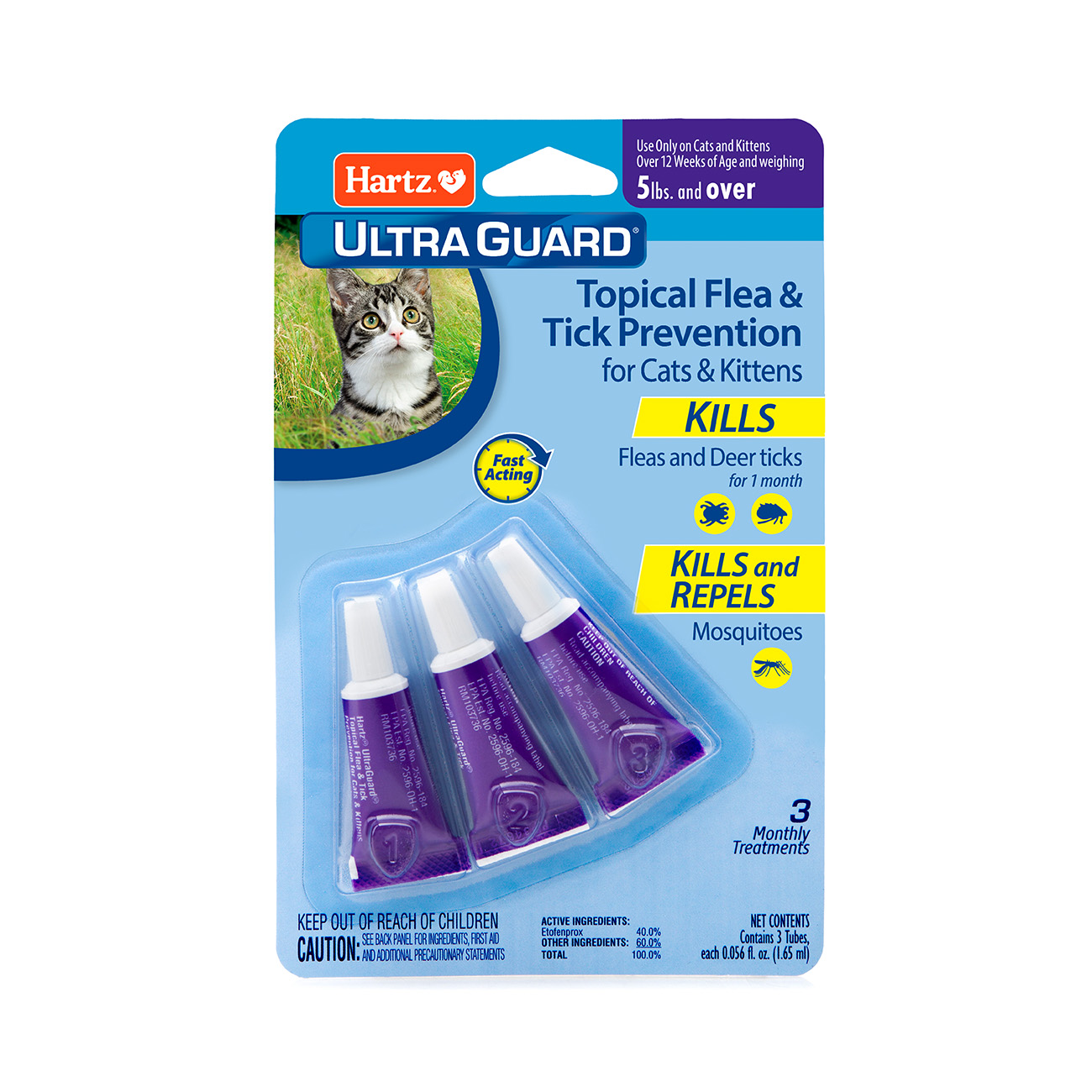
Credit: www.hartz.com
Frequently Asked Questions
How Do I Get Rid Of Fleas In My House Without Harming My Cat?
Vacuum regularly to remove fleas and eggs. Use flea traps or diatomaceous earth for natural control. Bathe your cat with pet-safe flea shampoo. Wash pet bedding in hot water. Consider using veterinarian-approved flea treatments for your cat.
Are There Any Non-toxic Flea Treatments For Cats?
Yes, there are non-toxic flea treatments for cats. Options include natural sprays, diatomaceous earth, and flea combs. Always consult a vet before using any product to ensure safety for your cat.
What Do Vets Recommend For Flea And Tick Treatment For Cats?
Vets often recommend using topical treatments like Revolution or Advantage for flea and tick prevention in cats. Oral medications, such as Bravecto, are also effective. Always consult your vet to choose the best option for your cat’s health. Regular check-ups and grooming help maintain protection against pests.
Do Cats Need Flea And Tick Medicine If They Are Indoor?
Yes, indoor cats still need flea and tick medicine. Fleas and ticks can enter homes through clothing or other pets. Regular preventive treatments help protect your cat from infestations and potential diseases. Consult your veterinarian for the best flea and tick prevention options for your indoor cat.
Conclusion
Protecting your cat from fleas and ticks is crucial. Both indoor and outdoor cats need care. Natural treatments can be effective and safe. Regular checks help spot problems early. Clean living spaces reduce risks. Consult your vet for tailored advice.
A balanced approach keeps your cat healthy and happy. Remember, prevention is better than cure. Your cat deserves a pest-free life. Stay informed and proactive. Your feline friend will thank you.

Hi, I’m Taylor Morgan, the heart behind CATWhisk! As a lifelong cat enthusiast with a passion for feline care and behavior, I focus on providing reliable, practical, and engaging advice to cat parents everywhere. From health tips to fun DIY projects, my mission is to help you and your whiskered companions live your best lives together.