Last Updated on February 18, 2026
Ever found yourself wondering if the cat food you leave out is attracting more than just your feline friend? Perhaps you’ve noticed a bushy-tailed visitor nibbling away at your kitty’s kibble.
You’re not alone in this curiosity. Understanding what squirrels eat and how they interact with other animals’ food can be quite fascinating. But before you shrug it off as just another quirky animal habit, consider this: what if understanding these feeding behaviors could help you create a more harmonious backyard environment?
Stick around to uncover the intriguing world of squirrels and their unexpected dietary preferences. You might just discover some surprising facts that could change the way you see your backyard critters.

Credit: www.youtube.com
Contents
Squirrels’ Natural Diet
Squirrels are fascinating creatures with a diverse natural diet. They are known for their agility and curiosity. Many wonder if squirrels might snack on cat food. To understand this, we must first explore their natural diet.
Squirrels’ Eating Habits
Squirrels are primarily herbivores. They love nuts, seeds, and fruits. These foods provide essential nutrients for their survival. Occasionally, squirrels eat insects or small animals. This is not their primary food source.
Squirrels And Nuts
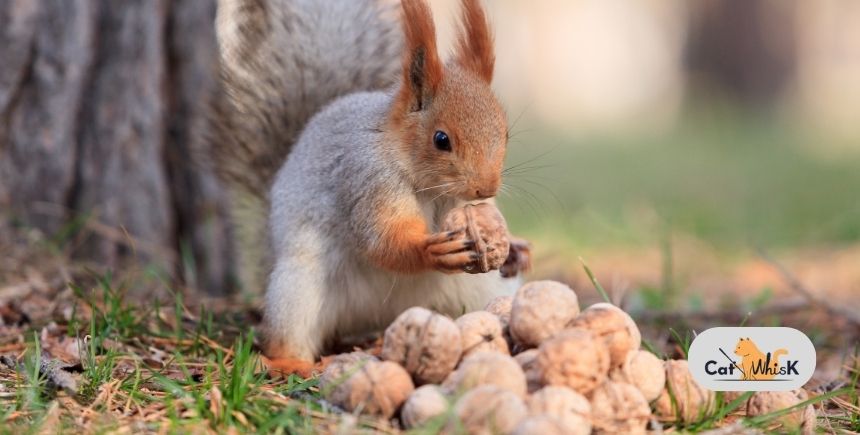
Nuts are a staple in a squirrel’s diet. They store nuts for winter. This behavior ensures they have food during scarce times. Walnuts, acorns, and pecans are popular choices. Nuts provide protein and healthy fats.
Fruits And Vegetables
Squirrels also enjoy fruits and vegetables. Apples, berries, and carrots are favorites. These foods offer vitamins and natural sugars. Squirrels often find these in gardens or orchards.
Seeds And Grains
Seeds and grains are also part of their diet. They consume sunflower seeds and corn. These provide carbohydrates for energy. Squirrels might raid bird feeders for these treats.
Occasional Protein Sources
Though primarily herbivores, they sometimes eat protein. Small insects or bird eggs might be consumed. This behavior is rare and opportunistic. It provides additional nutrients when needed.

Credit: www.reddit.com
Squirrels And Cat Food
Squirrels are known for their curious nature and diverse diet. They often scavenge for food in urban areas. It’s not unusual to see them nibbling on unexpected treats. One such curiosity is their interest in cat food. This raises questions about its suitability for squirrels.
Squirrels’ Dietary Habits
Squirrels are omnivores. They eat both plants and animal-based foods. Nuts, seeds, fruits, and insects form a large part of their diet. Their adaptability helps them thrive in various environments.
Why Squirrels Eat Cat Food
Cat food offers protein and fats. These nutrients are appealing to squirrels. During scarcity, they seek out any available food sources. Cat food can become an easy target. Its smell and taste attract curious squirrels.
Nutritional Impact On Squirrels
Cat food is not ideal for squirrels. It lacks the necessary nutrients for their health. Squirrels need a balanced diet to maintain energy and growth. Regular consumption of cat food might lead to health issues.
Observing Squirrels Around Cat Food
Many people notice squirrels near cat feeding areas. They might steal kibble from outdoor bowls. This behavior is common in urban settings. Observers find it amusing yet concerning for squirrel health.
Preventing Squirrel Access To Cat Food
To protect squirrels, store cat food securely. Use squirrel-proof containers or feed cats indoors. This minimizes accidental squirrel consumption. Proper measures ensure both pets and wildlife stay healthy.
Implications Of Feeding Squirrels Cat Food
Squirrels may nibble on cat food if it’s available. This unusual diet can affect their health. Cat food lacks essential nutrients squirrels need, leading to potential deficiencies.
Feeding squirrels cat food might seem like a fun way to interact with nature, but it comes with significant implications. Squirrels have different nutritional needs than cats, and providing them with inappropriate food can affect their health and behavior. Understanding these consequences is crucial if you care about the well-being of these furry creatures and want to keep your garden or backyard ecosystem balanced.
Understanding Nutritional Differences
Squirrels are primarily herbivores, enjoying nuts, fruits, and seeds. Cat food is rich in proteins and fats designed for carnivorous diets. Feeding squirrels cat food might disrupt their natural eating habits. This can lead to malnutrition, as they miss out on essential nutrients found in their natural diet.
Behavioral Changes In Squirrels
Think about how a change in diet affects you. The same applies to squirrels. Cat food can cause squirrels to become reliant on unnatural food sources. This might lead to them approaching humans more frequently, potentially causing nuisance. Over time, they may forget how to forage effectively.
Impact On Local Ecosystems
Feeding squirrels cat food can alter the dynamics of your local ecosystem. When squirrels rely on cat food, they may neglect their natural role in seed dispersal. This can hinder plant growth, affecting biodiversity in your area. What effect would that have on the birds and insects in your garden?
Health Risks And Disease
Would you eat something not meant for you regularly? Squirrels consuming cat food could face health risks, including obesity and digestive issues. They may also be exposed to diseases due to ingredients not suited for their digestive systems. This poses a risk not only to the squirrels but potentially to other wildlife sharing the same space.
Ethical Considerations
Ask yourself if it’s fair to alter a wild animal’s diet for personal amusement. Feeding squirrels cat food can lead to dependency, making them vulnerable if you stop feeding them. Consider the ethical implications of interfering with nature in such a way. Feeding squirrels cat food might seem harmless, but it can have lasting impacts. If you enjoy watching wildlife, consider providing them with food that suits their needs. This ensures healthier squirrels and a balanced environment.

Credit: www.youtube.com
Frequently Asked Questions
What Wild Animals Will Eat Dry Cat Food?
Raccoons, opossums, foxes, skunks, and squirrels often eat dry cat food. Stray cats and feral cats will also consume it. Keep food indoors to avoid attracting wild animals. Secure trash cans and use wildlife-proof containers to protect the area from unwanted visitors seeking food.
What Pet Food Can Squirrels Eat?
Squirrels can eat pet food like unsalted nuts, seeds, and fruits. Avoid feeding them processed or sugary pet foods. Ensure the food is safe and free from harmful additives. Providing fresh vegetables and grains can also supplement their diet. Always offer clean water alongside their meals.
What Animals Can Eat Wet Cat Food?
Cats primarily eat wet cat food, but dogs can occasionally consume it. Some small mammals like ferrets may also eat it. Ensure the food is suitable for the specific animal’s dietary needs. Always consult a veterinarian before feeding it to non-cat animals to ensure safety.
What Should You Not Feed A Wild Squirrel?
Avoid feeding wild squirrels processed foods, bread, candy, and junk food. These can harm their health. Stick to natural foods like nuts, seeds, fruits, and vegetables. Always ensure food is fresh and clean to prevent illness.
Do Squirrels Eat Cat Food Regularly?
Squirrels might nibble on cat food, but it’s not their preferred diet. They prefer nuts and seeds.
Conclusion
Squirrels sometimes eat cat food, but it’s not ideal for them. Their diet should include nuts, seeds, and fruits. Cat food can lack key nutrients squirrels need. It’s better to offer them natural foods. Watching squirrels munch on cat food can be amusing.
Yet, their health matters more. Feeding them cat food regularly might harm them. Observing their eating habits helps us understand wildlife better. Providing the right diet supports their wellbeing. Remember, a healthy squirrel is a happy squirrel. Keep their diet balanced and natural for their best health.
Hi, I’m Taylor Morgan, the heart behind CATWhisk! As a lifelong cat enthusiast with a passion for feline care and behavior, I focus on providing reliable, practical, and engaging advice to cat parents everywhere. From health tips to fun DIY projects, my mission is to help you and your whiskered companions live your best lives together.