Last Updated on June 17, 2026
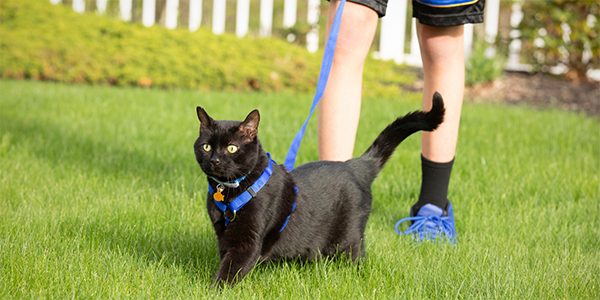
Imagine the joy of sharing a peaceful stroll outside with your feline friend by your side. You might think that walks are just for dogs, but cats can enjoy them too.
If you’re curious about transforming your indoor cat into an outdoor explorer, you’re in the right place. Harness and leash training a cat from scratch might seem daunting, but it’s entirely possible. You’ll discover the secrets to making your cat comfortable and confident on a leash.
This guide is designed to make the process easier, fun, and rewarding for both you and your pet. Ready to unlock a new adventure for you and your cat? Let’s dive in!

Credit: www.amazon.com
Choosing The Right Equipment
Start with the right equipment for cat training. A comfortable harness and sturdy leash are essential. They ensure safety and control during outdoor walks.
Choosing the right equipment is crucial when it comes to harness and leash training your cat. The perfect gear can make all the difference between a successful outdoor adventure and a frustrating struggle. Let’s dive into what you need to know to select the best harness and leash for your feline friend.
Understanding Your Cat’s Needs
Every cat is unique, with different sizes, shapes, and temperaments. Observe your cat to understand their behavior and comfort levels. Does your cat love to explore or are they more of a cautious observer? Knowing your cat’s personality will help you choose a harness that suits them best.
Types Of Harnesses
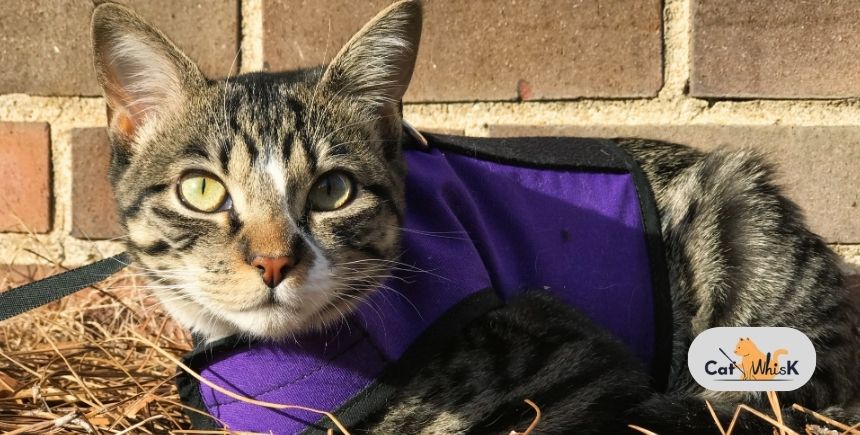
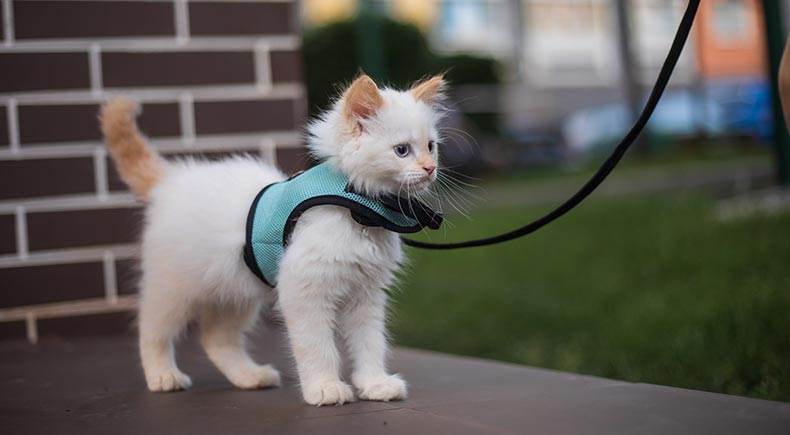
There are several types of harnesses available for cats, including H-style, vest-style, and figure-eight. – H-style harnesses are lightweight and adjustable, making them suitable for most cats. – Vest-style harnesses offer more coverage and are often padded, which can be more comfortable for cats who are new to harnesses. – Figure-eight harnesses are less common but can be a good option for escape-artist cats. Try different styles to see which one your cat prefers.
Safety Considerations
Safety should always be a top priority. Ensure that the harness fits snugly but not too tight. You should be able to slide two fingers between the harness and your cat’s body. Check the harness for any rough edges or loose stitching that could irritate your cat’s skin. A reflective harness is a great option if you plan to walk your cat in low-light conditions.
Choosing The Right Leash
The leash is just as important as the harness. Opt for a lightweight leash that won’t weigh your cat down. A standard length of 4 to 6 feet is ideal, giving your cat enough room to explore while allowing you to maintain control. Avoid retractable leashes as they can quickly lead to loss of control. A sturdy, non-retractable leash provides a safer experience for both you and your cat.
Testing The Equipment
Before heading outdoors, let your cat wear the harness and leash indoors. This will allow them to get used to the feeling and provide you with an opportunity to adjust the fit as needed. Observe how your cat reacts. Are they comfortable or trying to wiggle out? Patience is key—some cats take a little longer to adapt. Have you ever thought about what your cat truly enjoys when exploring the outdoors? With the right equipment, you can enhance their experience and strengthen your bond.
Steps To Successful Training
Start with small steps to get your cat comfortable with a harness and leash. Allow your cat to explore and adjust to the new gear indoors before venturing outside. Gradually introduce outdoor walks, ensuring a safe and enjoyable experience for both you and your feline friend.
Training your cat to walk on a harness and leash can be an exciting adventure for both of you. Imagine strolling through the park with your feline friend, exploring nature together. But achieving this requires patience and a structured approach. Let’s dive into the steps to make this dream a reality.
Step 1: Get The Right Gear
Start with selecting a comfortable harness and leash. Ensure the harness fits snugly but isn’t too tight. Consider your cat’s size and comfort. A well-fitted harness will make your cat feel secure.
Step 2: Familiarize Your Cat With The Harness
Place the harness near your cat’s favorite sleeping area. Allow them to sniff and explore it. Gradually, let them wear it for short periods indoors. This helps your cat get used to the sensation without overwhelming them.
Step 3: Positive Reinforcement
Use treats and praise to associate the harness with positive experiences. Reward your cat when they wear it calmly. You might be surprised how quickly they start to look forward to training sessions.
Step 4: Practice Indoors
Before hitting the great outdoors, practice walking in a familiar, enclosed space. Guide your cat gently with the leash. Create a mini adventure in your living room. Does your cat follow your lead, or do they prefer to explore on their own terms?
Step 5: Gradual Outdoor Exposure
Begin with short, quiet outdoor sessions. Choose a safe area, free from loud noises and distractions. Keep the first few walks brief. Gradually increase duration as your cat grows more confident.
Step 6: Observe And Adjust
Watch your cat’s body language. Are they comfortable or stressed? Adjust your approach based on their reactions. Every cat is unique; some may adapt quickly, while others take their time.
Step 7: Celebrate Small Wins
Each step forward is a victory. Celebrate small achievements with your cat. Did they explore a new area or stay calm amid unexpected sounds? Recognize these milestones to keep motivation high. Harness and leash training a cat may seem daunting, but with patience and love, you can transform your indoor feline into an adventurous companion. Are you ready to embark on this journey with your cat?
Troubleshooting Common Issues
You’ve decided to train your cat to use a harness and leash, but what happens when things don’t go as planned? Troubleshooting common issues is a crucial part of the training process. Whether your cat refuses to move, escapes the harness, or simply doesn’t enjoy the experience, understanding these challenges will help you and your feline friend succeed.
Is Your Cat Refusing To Move?
Sometimes, cats become statues when first introduced to the leash. This can be frustrating, but patience is key. Begin by letting your cat wear the harness indoors without the leash. Gradually add the leash and encourage movement with treats or toys. Remember, every cat is different, so adjust the pace according to your cat’s comfort level.
Escaping The Harness: What Now?
Finding your cat slipping out of the harness can be alarming. Ensure the harness fits snugly but comfortably. You should be able to fit two fingers between the harness and your cat’s body. If escape continues, consider trying a different style of harness, such as a vest type, which offers more security.
Does Your Cat Seem Anxious?
Anxiety can manifest in various ways, from excessive meowing to hiding. To ease anxiety, associate the harness with positive experiences. Use treats and gentle petting when putting it on. If your cat remains anxious, pause the training and try again later. What’s more important: the pace of training or your cat’s comfort?
Dealing With Resistance
It’s normal for cats to resist new experiences, but persistence is vital. If your cat resists the leash, try walking alongside them indoors to build confidence. Gradually introduce outdoor environments when your cat feels comfortable. Celebrate small victories and maintain a positive attitude.
Improving The Experience
Make the walk enjoyable by choosing quiet areas. Loud noises can be overwhelming for cats. Engage with your cat by allowing them to explore safely. Bringing toys or using a clicker can enhance the experience. What unique methods have you found that encourage your cat to enjoy the walk?
Training a cat to walk on a leash isn’t just about the end goal; it’s about the journey. Each challenge provides an opportunity to learn more about your cat’s personality and preferences. Embrace these moments, and you’ll likely find both you and your cat enjoy the process even more.
Credit: www.preventivevet.com
Credit: www.barkandwhiskers.com
Frequently Asked Questions
How To Train Your Cat To Walk On A Leash And Harness?
Start by choosing a comfortable, well-fitting harness. Introduce the harness slowly, allowing your cat to sniff it. Gradually increase wear time indoors. Attach the leash and practice walking indoors. Move outdoors once your cat feels comfortable. Use treats and praise to encourage positive behavior and patience.
Is It Too Late To Teach My Cat To Walk On A Leash?
It’s never too late to teach your cat to walk on a leash. Start with patience and consistency. Gradually introduce the harness indoors, rewarding positive behavior. Practice frequently to build confidence. With time and effort, your cat can enjoy outdoor adventures.
At What Age Can You Harness Train A Cat?
You can start harness training a cat as early as 8 weeks old. Begin with short, positive sessions. Ensure the harness fits comfortably and gradually introduce outdoor walks. Early training helps cats adapt easier, making the process smoother. Always be patient and reward your cat for successful steps.
Why Do Cats Struggle To Walk In Harnesses?
Cats struggle to walk in harnesses due to their natural instincts and sensitivity. They feel restricted, affecting their balance and movement. Gradual training helps them adjust and feel more comfortable, making walking easier.
How Do I Start Harness Training My Cat?
Begin indoors with a comfortable harness. Let your cat wear it for short periods. Reward them with treats.
Conclusion
Training your cat to walk on a leash takes patience. Start with baby steps. Let them get used to the harness indoors. Gradually introduce the leash. Practice in quiet areas first. Encourage with treats and praise. Celebrate small victories. Every cat learns at its own pace.
Stay consistent and positive. Outdoor walks can be fun. They offer new sights and smells. Enjoy your adventures together. Watch your cat’s confidence grow. Soon, walks will become routine. Embrace the journey and cherish each moment. Happy walking!

Hi, I’m Taylor Morgan, the heart behind CATWhisk! As a lifelong cat enthusiast with a passion for feline care and behavior, I focus on providing reliable, practical, and engaging advice to cat parents everywhere. From health tips to fun DIY projects, my mission is to help you and your whiskered companions live your best lives together.