

Feeding your feline friend might seem straightforward, but have you ever wondered if you’re doing it right? The number of times you feed your cat each day can significantly impact their health, happiness, and even their behavior.
Are you feeding them too much or too little? Could the timing of their meals make a difference in their energy levels and overall well-being? In this guide, we’ll unravel the mystery of how many times a day you should feed your cat.
You’ll discover the science behind meal frequency and learn practical tips to ensure your cat is not just surviving but thriving. Get ready to transform your feeding routine and watch your cat flourish! Stay with us, and let’s get to the bottom of this essential aspect of cat care.

Credit: thelittlecarnivore.com
Feeding Frequency For Different Ages
Feeding a cat involves understanding its nutritional needs at different life stages. Cats require proper meals for growth, energy, and health. Each age group has specific feeding requirements. Meeting these helps cats thrive.
Kittens’ Nutritional Needs
Kittens grow rapidly and need frequent meals. Their small stomachs require multiple feedings. Feed them three to four times daily. Choose kitten-specific food rich in protein and fat. This supports their development and energy levels.
Adult Cats’ Feeding Schedule
Adult cats need balanced meals twice a day. Morning and evening feedings work best. This maintains their energy and weight. Choose high-quality cat food with proteins and vitamins. It keeps them healthy and active.
Senior Cats’ Dietary Considerations
Senior cats have different needs. Their metabolism slows down. Feed them smaller portions twice a day. Opt for food with fewer calories and more fiber. This aids digestion and maintains weight. Ensure hydration with water-rich food.
Balancing Meal Portions
Cats thrive on routine, enjoying meals twice a day. Portion control maintains their weight and health. Adjust servings based on your cat’s activity level and age for optimal health.
Balancing meal portions for your cat is crucial to their health and happiness. Striking the right balance ensures they get the nutrients they need without overeating. Cats have unique dietary requirements that differ from humans and even dogs. This can make feeding them a bit tricky. But don’t worry—it’s easier than it sounds once you understand the basics.
Ideal Portion Sizes
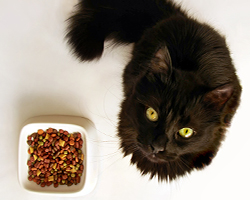
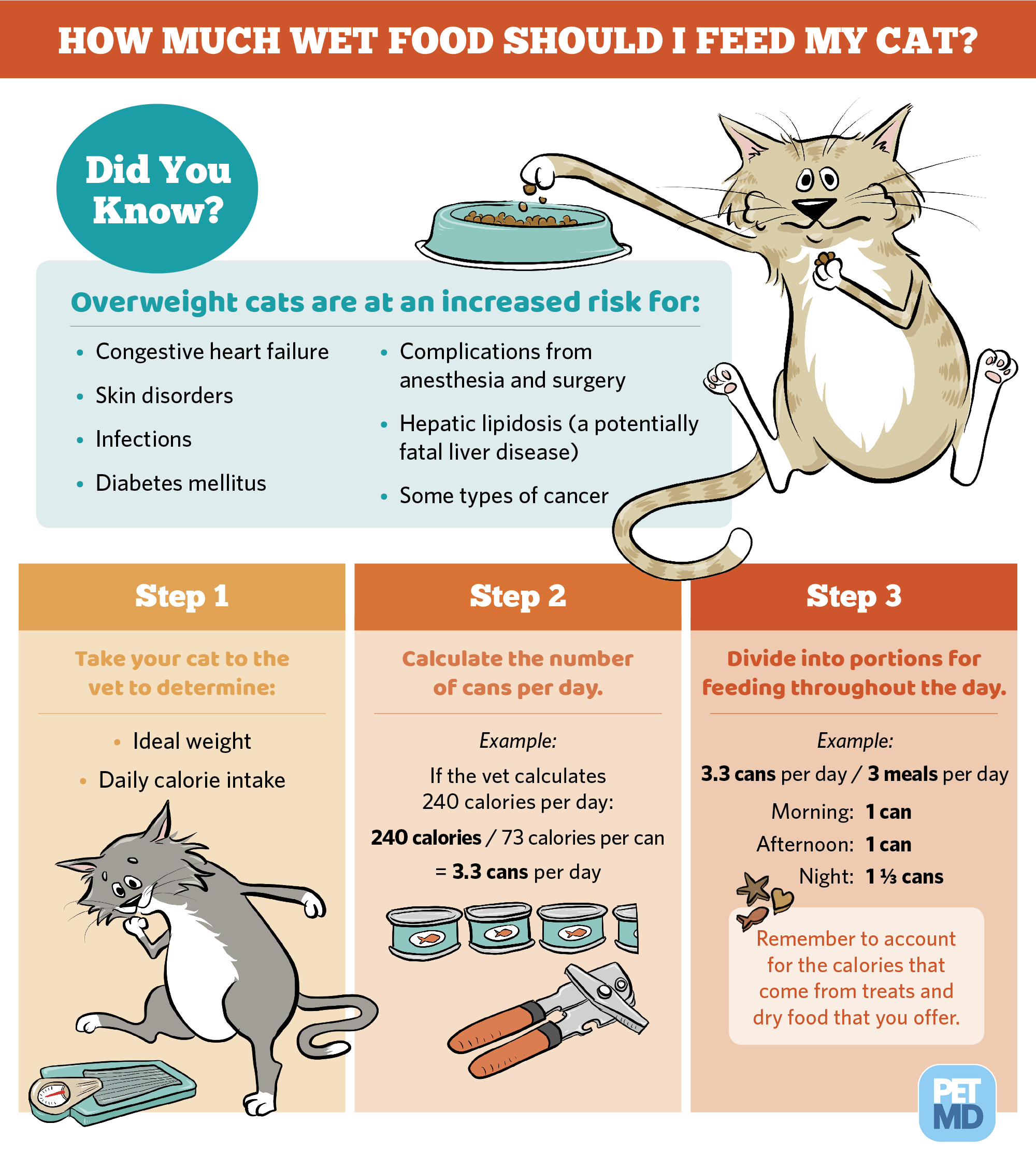
How much should you feed your cat at each meal? It varies based on their age, size, and breed. Generally, adult cats need between 250-300 calories a day. You can divide these calories into two or three meals. The food packaging usually provides guidance on portion sizes. But, your cat’s behavior also offers clues. If they leave food in their bowl, you might be overfeeding them. Observe their weight and adjust accordingly.
Adjusting For Activity Levels
Just like humans, a cat’s activity level affects their dietary needs. If your cat is a lazy lounger, they might need fewer calories. On the other hand, a playful kitten or an adventurous outdoor cat may need more. Consider using a food puzzle to engage a sedentary cat. This will not only help them burn calories but also keep them mentally stimulated. Does your cat seem more active after a meal? You might be hitting the sweet spot with their portion sizes.
Special Dietary Needs
Some cats have special dietary needs due to health issues. Cats with diabetes or kidney disease might require specific foods. Always consult your vet in these cases. They can recommend the best food and portion sizes. Senior cats often need fewer calories but more protein to maintain muscle mass. If your cat has allergies, you may need to adjust their diet. Are you considering a homemade diet? This can be a great option but requires careful planning to ensure balanced nutrition. Finding the right portion size for your cat involves trial and error. How do you know if you’ve got it right? Your cat will be healthy, active, and happy—without begging for food all day.
Signs Of Overfeeding Or Underfeeding
Feeding your cat the right amount is crucial for its health. Overfeeding or underfeeding can lead to various issues. Understanding the signs helps keep your cat happy and healthy. Let’s explore the indicators to watch for.
Indicators Of Overfeeding
A cat gaining weight rapidly might be overfed. Watch for visible fat deposits. If your cat is lethargic, it could be eating too much. Excessive begging even after meals is another sign. Vomiting or diarrhea may also indicate overfeeding. Regular vet visits can confirm if your cat’s weight is healthy.
Recognizing Underfeeding Symptoms
If your cat seems thin, it might be underfed. Check for a visible rib cage. A dull coat can signal lack of nutrition. Weakness or decreased activity are other signs. Cats with nutritional deficiency may be unusually aggressive. Ensure your cat gets enough food to meet its energy needs.
Maintaining A Healthy Weight
Balance is key to a cat’s diet. Monitor your cat’s weight regularly. Adjust portions based on activity levels. Use weight charts as guides. Cats need different amounts based on age and breed. Consult with a vet for personalized feeding advice. Proper feeding ensures a long and healthy life for your cat.
Credit: www.vet.cornell.edu
Credit: www.fireline.com
Frequently Asked Questions
Is 2 Meals A Day Enough For A Cat?
Yes, feeding a cat two meals daily is typically sufficient. Ensure balanced nutrition to meet their health needs. Monitor your cat’s weight and adjust portions if necessary. Consult a vet for personalized feeding advice.
What Are The Best Times To Feed A Cat?
Feed a cat twice a day, morning and evening. Maintain consistent feeding times. Adjust based on your cat’s age, health, and activity level. Consult your vet for personalized advice.
Is 1 Cup Of Food Too Much For A Cat?
A cat’s food needs vary by age, size, and activity level. Typically, 1 cup may be too much. Consult your vet for personalized advice. Overfeeding can lead to obesity and health issues. Always ensure your cat has a balanced diet.
Consider portion control and monitor their weight regularly.
Are You Supposed To Leave Cat Food Out All Day?
Leaving cat food out all day is fine for dry kibble. Wet food should be removed after 2 hours. Ensure clean water is always available. Monitor your cat’s eating habits to prevent obesity. Regularly clean the feeding area to avoid bacteria growth.
Keep food in a cool, dry place.
How Often Should You Feed A Kitten?
Kittens need to eat small meals frequently. Aim for four to five times daily.
Conclusion
Feeding your cat the right amount is crucial. Cats need balanced diets. Their age, health, and activity level matter. Younger cats often eat more. Older cats might need less. Always provide fresh water. Monitor your cat’s weight and energy. Adjust feeding based on their needs.
Consult your vet for advice. They can guide you on food types. Variety keeps your cat interested. Treats should be limited. Overfeeding can lead to health issues. A feeding routine helps maintain their health. Happy and healthy cats bring joy.
Feed wisely for a contented feline friend.

Hi, I’m Taylor Morgan, the heart behind CATWhisk! As a lifelong cat enthusiast with a passion for feline care and behavior, I focus on providing reliable, practical, and engaging advice to cat parents everywhere. From health tips to fun DIY projects, my mission is to help you and your whiskered companions live your best lives together.