
Have you ever caught your cat in the middle of an intense grooming session and wondered just how often this should be happening? You’re not alone.
Understanding your cat’s grooming habits is crucial for their health and happiness. Imagine if you could decode what your cat’s grooming schedule says about their well-being. This insight could be the key to ensuring your furry friend is both clean and content.
Stick around as we dive into the fascinating world of feline grooming habits, so you can keep your cat purring with delight.
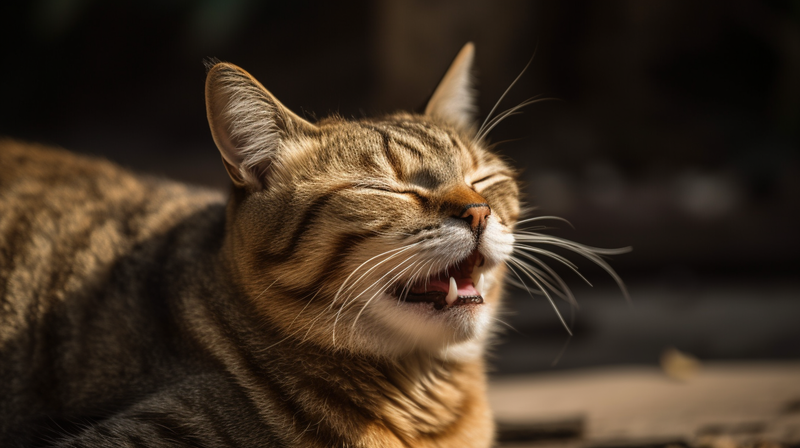
Credit: cooperandgracie.com
Natural Grooming Habits
Cats groom themselves daily to maintain cleanliness and health. Typically, grooming happens several times throughout the day. This natural habit helps remove loose hair, dirt, and parasites, keeping their coat shiny and skin healthy.
Cats are known for their meticulous grooming habits. If you’ve ever watched your cat clean itself, you might wonder how often they should groom. Understanding their natural grooming habits can help you ensure your furry friend stays healthy and happy.
Understanding Cat Grooming
Cats groom themselves frequently. They spend up to 50% of their waking hours cleaning themselves. This includes licking their fur, paws, and even their tails. Grooming helps them remove dirt, dead fur, and parasites. It also helps distribute natural oils across their skin. This keeps their coat shiny and healthy.
The Role Of Instinct
Cats groom instinctively. It’s a behavior inherited from their wild ancestors. In the wild, grooming helps remove scent markers that predators can track. Have you ever noticed your cat grooming after you pet them? They’re not trying to offend you. They’re simply ensuring their scent remains neutral and untraceable.
Frequency Of Grooming
Each cat is different, but grooming several times a day is common. Some cats may groom more frequently due to stress or anxiety. Others might groom less if they have underlying health issues. If your cat suddenly changes its grooming habits, it might be a sign of a problem. Keep an eye on them and consult your vet if needed.
Is Your Cat Over-grooming?
Over-grooming can lead to bald patches and skin irritation. If your cat is grooming excessively, it might be due to allergies or stress. Consider environmental changes. Have you moved recently? Introduced a new pet? Cats are sensitive to changes.
Encouraging Healthy Grooming
You can help your cat maintain healthy grooming habits. Regularly brush your cat to remove excess fur and prevent hairballs. This can also strengthen your bond. Provide them with a calm and stable environment. Stress can significantly affect their grooming behavior. Cats are fascinating creatures with unique grooming habits. Have you ever tried grooming alongside your cat? It might be a bonding experience worth exploring. Understanding these natural habits can ensure your cat stays content and well-groomed.
:strip_icc()/GettyImages-596436301-58bc6ba73df78c353cfbf48d.jpg)
Credit: www.thesprucepets.com
Factors Influencing Grooming Frequency
Cats are known for their grooming habits. They spend a lot of time cleaning themselves. But why do some cats groom more than others? Several factors affect grooming frequency. Understanding these can help you manage your cat’s grooming needs.
Age And Health
Younger cats groom more often. They are more active and curious. Older cats may groom less. Health issues can also impact grooming. A sick cat may neglect grooming. Arthritis or obesity can make grooming hard.
Fur Length And Type
Long-haired cats need more grooming. Their fur tangles easily. Short-haired cats groom less frequently. Fur type impacts how much cats groom. Some cats have thicker fur. They may spend more time grooming.
Environment And Stress
Stress can change grooming habits. A stressed cat may over-groom. Changes in the environment can cause stress. New pets or moving to a new home are examples. Cats need time to adjust. This can affect their grooming frequency.
Diet And Nutrition
A good diet supports healthy grooming. Poor nutrition can lead to skin issues. Healthy skin means less grooming. Ensure your cat has a balanced diet. This helps maintain a healthy coat.
Signs Of Grooming Issues
Cats usually groom themselves daily. Reduced grooming can signal health issues like stress or arthritis. Excessive grooming may indicate skin problems or parasites. Regular observation helps ensure your cat stays healthy and happy.
Understanding the signs of grooming issues in cats can help you keep your feline friend healthy and happy. Cats are naturally meticulous groomers, dedicating hours each day to their hygiene. However, what happens when they neglect this routine or go overboard? It’s crucial to recognize the subtle hints that something might be amiss.
Excessive Grooming
A cat that grooms excessively may be dealing with stress, allergies, or parasites. Are you noticing bald patches or irritated skin on your cat? This could be a sign that your cat’s grooming habits are spiraling into a problem. Try observing their environment for stressors or seek advice from a vet.
Lack Of Grooming
When a cat stops grooming altogether, it might be experiencing discomfort or illness. You might see matted fur or an unusual amount of dirt on their coat. Have you noticed your cat acting differently lately? This could be your cue to schedule a vet appointment.
Unpleasant Odor
A consistent foul smell emanating from your cat can indicate an underlying grooming issue. Cats usually keep themselves odor-free, so a noticeable smell might suggest dental problems or infection. Have you checked your cat’s breath and teeth lately? A quick inspection might reveal if something is off.
Skin Conditions
Skin conditions like dandruff or sores can point to grooming problems. Examine your cat’s skin for dryness or redness. Are you providing the right diet that supports healthy skin? Sometimes, adjusting their food can make a big difference.
Changes In Fur Texture
A change in fur texture can be a sign that your cat’s grooming routine is suffering. If their fur is suddenly greasy or dull, it might be worth investigating. Could it be time for a vet check-up to rule out health issues? Spotting these signs early can make a significant difference in your cat’s well-being. Have you ever noticed a change in your cat’s grooming habits? Taking proactive steps can ensure your furry companion stays comfortable and content.

Credit: www.prettylitter.com
Frequently Asked Questions
How Often Should You Groom Your Indoor Cat?
Groom your indoor cat at least once a week. Regular brushing reduces shedding and prevents matting. Long-haired breeds may need more frequent grooming. Always check for tangles, dirt, and loose fur. Grooming also provides an opportunity to bond with your cat and monitor its health.
How Often Is It Normal For Cats To Scratch Themselves?
Cats typically scratch themselves several times a day. Occasional scratching is normal. Excessive scratching may indicate fleas, allergies, or skin issues. Consult a veterinarian if scratching seems excessive or persistent. Regular grooming and flea prevention can help reduce scratching in cats.
How Do I Know If My Cat Is Grooming Himself Too Much?
Watch for bald patches, skin redness, or irritation. Excessive grooming may indicate stress, allergies, or skin issues. Consult a vet if you notice these signs. Regular monitoring helps ensure your cat’s well-being.
Is A Cat Happy When It Grooms Itself?
Cats often feel content and relaxed while grooming. Grooming helps them stay clean and comfortable. It’s a natural behavior showing they’re at ease. Regular grooming sessions can indicate a happy and healthy cat.
How Often Do Cats Groom Themselves?
Cats usually groom themselves several times a day. It’s a natural behavior for cleanliness and relaxation.
Conclusion
Cats groom themselves to stay clean and healthy. Regular grooming removes dirt and loose fur. It also helps prevent matting. Most cats groom several times a day. This is normal and healthy behavior. If grooming increases or decreases, watch for changes.
It might signal stress or health issues. Pay attention to your cat’s habits. Always consult a vet if you notice unusual grooming behavior. Regular check-ups can ensure your cat stays well. Happy and healthy. Remember, a well-groomed cat is a happy cat.
Keep an eye on their grooming patterns. Your cat will thank you.

Hi, I’m Taylor Morgan, the heart behind CATWhisk! As a lifelong cat enthusiast with a passion for feline care and behavior, I focus on providing reliable, practical, and engaging advice to cat parents everywhere. From health tips to fun DIY projects, my mission is to help you and your whiskered companions live your best lives together.