

Bathing a cat might seem like a daunting task. You might even feel a little nervous just thinking about it.
If you’ve ever tried to bathe a cat, you know it can be an adventure. Cats are known for their strong opinions about water, and usually, they’re not in favor. But don’t worry, you’re not alone in this challenge. Many cat owners face the same dilemma, and with the right approach, you can make it a smoother experience for both you and your feline friend.
Why should you bother bathing your cat? Despite their self-cleaning habits, there are times when a bath becomes necessary. Maybe your cat has gotten into something sticky or dirty, or perhaps you need to help reduce allergens in your home. Whatever the reason, knowing how to give your cat a bath safely and effectively is important. Imagine a calm, stress-free bathing session where your cat feels secure and you feel confident. It sounds great, right? In this guide, you’ll learn step-by-step techniques to make bath time as easy as possible. Stick with us, and you’ll discover tips and tricks that could transform your cat bathing routine from a dreaded chore into a manageable task. Ready to dive in? Let’s get started!

Credit: www.carrollcountyah.com
Preparation Essentials
Bathing a cat requires thoughtful preparation to ensure a stress-free experience. Cats are not fans of water, so having everything ready helps. This preparation can make the process smoother and less stressful for both you and your cat.
Gather The Right Supplies
Start by collecting all necessary supplies. You’ll need cat-friendly shampoo, a large towel, and a non-slip mat. Avoid using human shampoo as it can irritate a cat’s skin. The towel should be soft and absorbent to dry them quickly.
Choose The Right Time
Pick a time when your cat is calm and relaxed. Avoid bathing them after meals or when they are excited. A tired or relaxed cat will be less resistant to bathing.
Prepare The Bathing Area
Set up the bathing area in advance. Use a sink or a tub with a non-slip mat to prevent slipping. Ensure the room is warm to keep your cat comfortable.
Trim Your Cat’s Nails
Trim your cat’s nails before starting the bath. This reduces the risk of scratches during the process. Use a proper cat nail clipper for safety.
Brush Your Cat
Brush your cat to remove loose fur and tangles. This makes the bathing process easier and prevents mats from forming. A smooth coat helps the shampoo work better.
Test The Water Temperature
Ensure the water is lukewarm, not too hot or cold. Cats are sensitive to temperature changes, so this is crucial. Test the water with your wrist to be sure.
Have Treats Ready
Keep some treats on hand to reward your cat. Treats help to calm them and make the experience more pleasant. Rewarding good behavior encourages cooperation.
Credit: www.youtube.com
Step-by-step Bathing Process
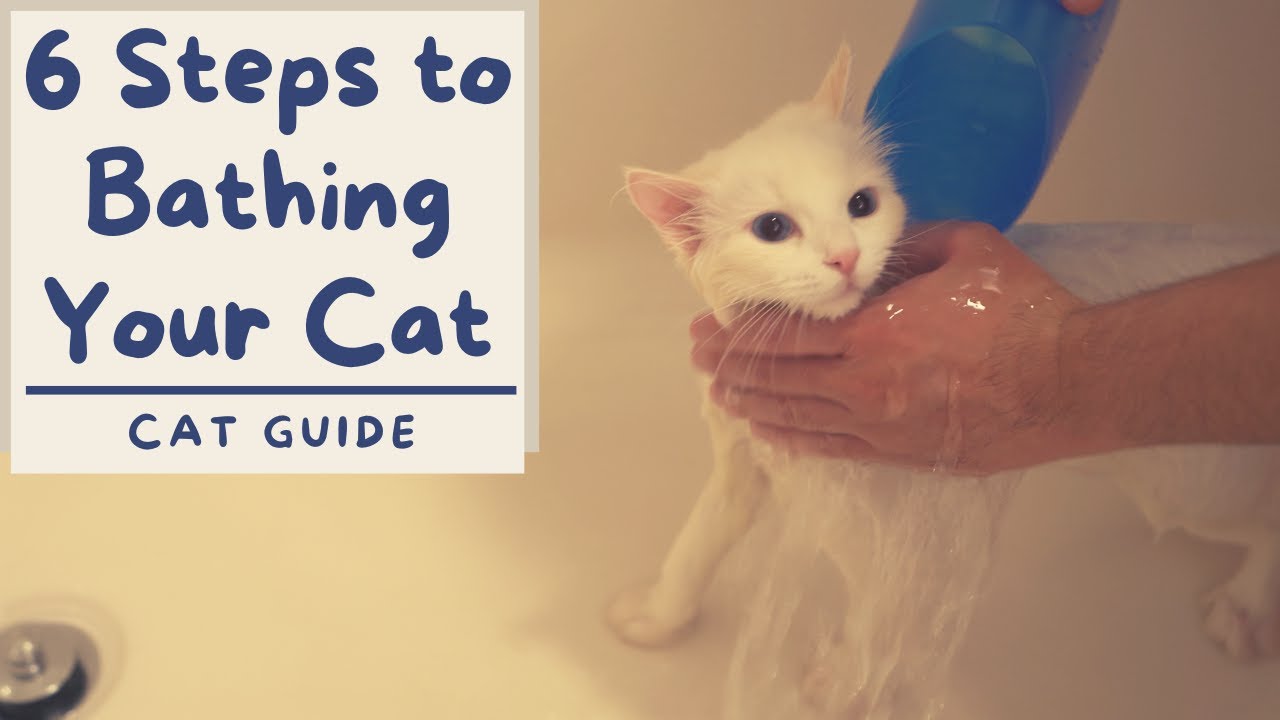
Gently introduce your cat to water by using a calm approach. Wet their fur using a cup or handheld sprayer. Apply cat-safe shampoo, lather, and rinse thoroughly. Ensure no soap remains on their fur. Gently towel-dry your cat and offer treats for a positive experience.
Bathing a cat can feel like a daunting task, but a structured approach can make it manageable. Cats are naturally averse to water, and this makes bathing them a unique challenge. However, with some patience and the right steps, you can ensure a stress-free experience for both you and your feline friend. Let’s dive into the step-by-step process to make cat bathing less of a hassle and more of a bonding activity.
Prepare Your Supplies
Gather everything you need before you begin. You’ll need cat shampoo, a cup for rinsing, and towels. A non-slip mat can be helpful for extra grip in the tub or sink. This preparation prevents you from scrambling for items mid-bath, keeping your cat calm.
Brush Your Cat
Before bathing, take a moment to brush your cat. This removes loose fur and tangles, making the bathing process smoother. It also helps prevent shedding fur from clogging your drain.
Fill The Tub
Fill the tub or sink with just a few inches of lukewarm water. The water should be neither hot nor cold, ensuring your cat feels comfortable. Test the water temperature with your wrist to make sure it’s just right.
Gently Introduce Your Cat To Water
Place your cat in the water slowly. Let them get used to the sensation. Speak softly to reassure them. Your calm demeanor can help ease their anxiety.
Wet Your Cat Gradually
Use a cup or small container to pour water over your cat’s fur. Avoid the face. Wet the body thoroughly, ensuring the shampoo can be applied evenly.
Apply Cat Shampoo
Apply a small amount of cat shampoo to your hands and gently lather it into your cat’s fur. Use circular motions and be gentle. Make sure to avoid the eyes and ears.
Rinse Well
Rinse off the shampoo thoroughly using clean water. Residual shampoo can irritate your cat’s skin. Repeat rinsing to ensure all shampoo is removed.
Dry Your Cat
Wrap your cat in a towel and gently pat dry. You can use multiple towels if needed. If your cat tolerates it, a hairdryer on low heat can help speed up drying.
Reward Your Cat
Offer a treat or some affection after the bath. Positive reinforcement can help your cat associate bathing with a rewarding experience. This might make future baths easier. Have you ever noticed how your cat seems to give you the cold shoulder after a bath? Ensuring a positive post-bath experience could change this. Could a treat or extra cuddle time make a difference in their attitude?
Post-bath Care
Bathing a cat requires patience and gentle handling. Begin with lukewarm water and use a mild cat shampoo. Post-bath, dry your cat with a soft towel and ensure they stay warm to avoid chills.
Bathing a cat can be quite the adventure, but the real challenge often lies in what comes after—the post-bath care. Cats can be pretty particular about their grooming habits, so ensuring they’re comfortable and dry is crucial. Whether your feline friend is a seasoned bath veteran or a first-timer, proper post-bath care can make all the difference in their recovery and mood.
Drying Your Cat Properly
After a bath, your cat might resemble a little wet mop. Gently wrap them in a soft towel to absorb excess water. Pat them dry rather than rubbing, as rubbing can irritate their skin. If your cat is comfortable with it, use a hairdryer on a low setting. Keep it at a safe distance to avoid burning their sensitive skin. Some cats might be nervous around the noise, so it’s okay to skip this step if they seem scared.
Brushing And Combing
Once your cat is mostly dry, it’s time to brush their fur. This helps remove any tangles and loose hair. Use a comb or brush suitable for your cat’s fur type. Do you notice your cat shedding more after a bath? Brushing can help manage this and prevent hairballs later. Not to mention, it’s a great bonding moment for both of you.
Providing Comfort And Warmth
Cats often feel chilly after a bath, so create a cozy space for them. Lay out a warm blanket in their favorite spot. You might find them there, snuggled up and enjoying the warmth. Have you ever noticed how your cat gravitates towards sunlight? Let them bask in the sun post-bath. It’s nature’s way of warming them up and calming them down.
Monitoring Behavior And Mood
After the bath, observe your cat’s behavior. Are they grooming themselves excessively? That’s normal and part of their routine to restore their scent. If they seem distressed or hide away, give them some space but keep an eye on them. Cats are sensitive creatures, and reassurance through gentle words and pats can help them settle down.
Offering Treats And Praise
Celebrate the completion of bath time with treats and praise. Positive reinforcement can make them more receptive to baths in the future. Have you ever tried offering a treat immediately after a bath? It can transform the bath from an ordeal to a rewarding experience. Your cat will appreciate the gesture and might even look forward to the next bath day! Engaging with your cat post-bath is not just about ensuring their comfort; it’s also about nurturing your bond. What steps do you take to make bath time less stressful? Consider these tips and watch your cat’s reaction next bath day.
:strip_icc()/cat-bath-advice-553938_v5-a356a24528384c88a75262215622f28a.jpg)
Credit: www.thesprucepets.com
Frequently Asked Questions
How Often Should I Bathe My Cat?
Most cats need a bath every few months. Depends on their coat type and lifestyle.
What Supplies Do I Need For Cat Bathing?
Gather cat-safe shampoo, towels, a non-slip mat, and a cup for rinsing.
How Can I Make My Cat Comfortable During Bath Time?
Use warm water, speak softly, and keep the bath quick. Reward with treats.
Is It Safe To Use Human Shampoo On Cats?
No, human shampoo can irritate a cat’s skin. Use cat-specific shampoo.
What If My Cat Hates Water?
Try using a damp washcloth. Clean gently. Avoid full baths if possible.
Conclusion
Bathing a cat can be challenging but rewarding. Patience is key. Use gentle techniques to keep your cat calm. Gather all supplies before starting. Towel-dry your cat gently after the bath. Offer treats for good behavior. Regular baths help keep your cat clean and healthy.
They can also reduce shedding and allergens. Make the experience positive for both you and your cat. With practice, bath time will become easier. A clean cat is a happy cat. Enjoy the process and bond with your feline friend.
Keep these tips in mind for stress-free cat baths.

Hi, I’m Taylor Morgan, the heart behind CATWhisk! As a lifelong cat enthusiast with a passion for feline care and behavior, I focus on providing reliable, practical, and engaging advice to cat parents everywhere. From health tips to fun DIY projects, my mission is to help you and your whiskered companions live your best lives together.