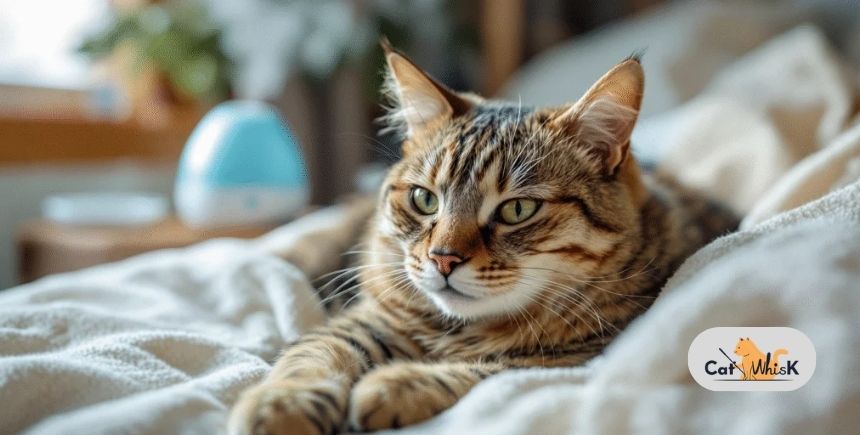
Imagine your furry friend, usually full of energy and curiosity, now curled up in a corner, sniffling and looking quite miserable. Yes, even your beloved cat can catch a cold, and it’s not a pleasant sight.
You might be worried, unsure of what to do next. How do you help your feline companion recover quickly and comfortably? In this guide, you’ll discover simple, effective ways to treat a cat with a cold, ensuring your pet gets back to its playful self in no time.
Keep reading to learn the crucial steps you need to take to keep your cat healthy and happy. Your pet’s well-being is just a few paragraphs away!
Recognizing Symptoms
Recognizing symptoms of a cold in your cat is crucial. Cats hide illness well. Knowing signs can help provide timely care. Early detection can lead to quicker recovery. Understanding these symptoms is vital for your cat’s health.
Identifying Nasal Discharge
Cats with colds often have nasal discharge. It might be clear or colored. Excessive sneezing usually accompanies it. Monitor your cat’s nose closely. Persistent discharge needs attention.
Observing Eye Changes
Eye changes are common in sick cats. You may notice watery eyes. Some cats develop redness or swelling. Watch for discharge around the eyes. This can indicate a cold.
Monitoring Behavior
Behavior changes can signal illness. Sick cats may seem lethargic. A decrease in appetite is another symptom. Your cat might hide more than usual. Keep an eye on their activity level.
Listening For Coughing
Coughing is a significant symptom. Cats rarely cough when healthy. Listen for unusual sounds. A cat with a cold might cough or wheeze. Pay attention to their breathing.
Checking For Fever
Fever is a serious indicator. Warm ears or paws can mean fever. Use a pet thermometer if possible. High temperatures need immediate care. Fever requires veterinary attention.

Credit: www.greensafaris.com
Home Remedies
Cats, like humans, can catch colds. While a trip to the vet is essential for serious symptoms, mild colds can often be managed at home. Home remedies offer gentle care that can help your feline friend recover comfortably. From creating a cozy environment to ensuring proper hydration, these simple methods can ease your cat’s discomfort and support their healing process.
Creating A Warm And Cozy Environment
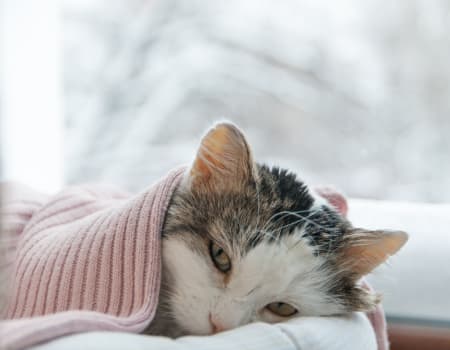
Your cat needs warmth to recover. Provide a soft blanket or bed. Keep them away from drafts. A warm corner can be soothing.
Ensuring Proper Hydration
Hydration is vital for recovery. Encourage your cat to drink water. Wet food can also help. Add a bit of tuna juice to make water enticing.
Boosting Immunity With Natural Foods
Some foods can boost immunity. Consider offering chicken broth. Ensure it is low in salt. Bone broth is another healthy option.
Using Steam Therapy
Steam can help clear nasal passages. Run a hot shower and let your cat sit in the bathroom. The steam may help them breathe easier.
Providing Gentle Nose Cleaning
Wipe your cat’s nose gently. Use a damp cloth. Remove mucus to help them breathe better.
Offering Comfort And Attention
Your cat needs comfort. Spend extra time with them. Gentle petting can be soothing.
When To Consult A Veterinarian
Cats sometimes catch colds, just like humans. While home care can help, there are moments when expert advice is necessary. Understanding when to consult a veterinarian is crucial for your cat’s health.
Persistent Symptoms
If your cat’s cold symptoms last longer than a week, it’s time for a vet visit. Persistent sneezing, runny nose, or coughing may indicate a more serious issue.
Difficulty Breathing
Watch for signs of breathing problems. If your cat struggles to breathe, it may need immediate medical attention. Rapid breathing or wheezing should not be ignored.
Loss Of Appetite
Cats with colds might eat less. If your cat stops eating completely, consult your vet. Lack of food can lead to dehydration and weight loss.
Lethargy And Weakness
Cats often sleep more when sick. But extreme lethargy or weakness signals a problem. If your cat seems overly tired or unresponsive, it’s time to seek help.
High Fever
A mild fever is common with colds. Yet, a high fever requires attention. Check your cat’s temperature. If it’s above normal, contact your vet.
Discharge From Eyes Or Nose
Monitor any eye or nose discharge. If it changes color or consistency, consult a veterinarian. Yellow or green discharge could mean infection.
Unusual Behavior
Observe your cat’s behavior. If it acts differently or seems in pain, a vet can provide answers. Unusual aggression or withdrawal is a concern.
Recognizing these signs ensures your cat receives proper care. A vet visit can bring peace of mind and ensure your pet’s recovery.

Credit: www.advancedcareanimalclinic.com
Credit: www.hillcrestanimals.com
Frequently Asked Questions
What Can I Give My Cat For A Cold?
Consult a vet before giving any medication. Ensure your cat stays hydrated and warm. Use a humidifier to ease breathing. Offer nutritious food to boost immunity. Never give human cold medicine to cats.
Do Cat Colds Go Away On Their Own?
Cat colds can resolve naturally in mild cases. Monitor symptoms closely and ensure the cat stays hydrated. If symptoms persist or worsen, consult a veterinarian for treatment. Prompt care helps prevent complications and ensures quick recovery.
How Do You Treat A Sick Cat Without Going To The Vet?
Ensure your cat stays hydrated and provide a quiet, comfortable space. Offer easy-to-digest foods like boiled chicken or plain rice. Monitor symptoms closely and try natural remedies like bone broth for hydration. Always consult a vet by phone or online for advice tailored to your cat’s condition.
What Is The Fastest Way To Get Rid Of An Upper Respiratory Infection In Cats?
Consult a veterinarian for proper diagnosis and treatment. Ensure your cat is warm, hydrated, and stress-free. Administer prescribed medications promptly. Use a humidifier to ease breathing.
What Are The Symptoms Of A Cat Cold?
Sneezing, runny nose, and watery eyes. Your cat might also lose appetite.
Conclusion
Caring for a cat with a cold requires patience and attention. Keep them warm and comfortable. Ensure they have access to fresh water. Offer them nutritious food to support recovery. Consult a vet if symptoms worsen. Early treatment prevents complications.
Cats need love and care during illness. Their health can improve with proper support. Monitor their condition closely. A watchful eye helps detect any changes. Remember, your cat relies on you. Your care makes a difference. With time and effort, your cat will feel better soon.
Stay alert and proactive in their treatment.

Hi, I’m Taylor Morgan, the heart behind CATWhisk! As a lifelong cat enthusiast with a passion for feline care and behavior, I focus on providing reliable, practical, and engaging advice to cat parents everywhere. From health tips to fun DIY projects, my mission is to help you and your whiskered companions live your best lives together.