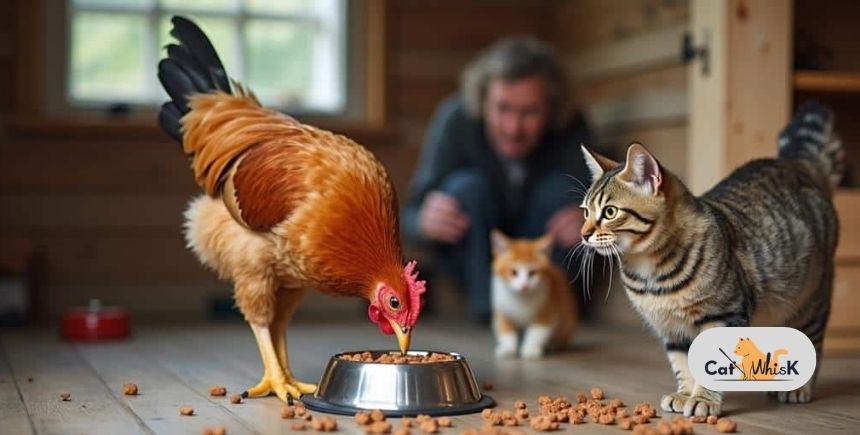
Have you ever caught your chickens sneaking a nibble of cat food and wondered if it’s safe for them? You’re not alone.
Many poultry owners find themselves curious about this unexpected dietary crossover. You love your feathered friends and want to ensure they’re getting the best nutrition possible, but the sight of them pecking at your kitty’s kibble might leave you puzzled.
Could there be hidden benefits or potential risks? As you dive into this article, you’ll uncover the surprising truths and myths about chickens and cat food, so you can keep your flock both healthy and happy. Keep reading to discover everything you need to know about this intriguing topic.
Nutritional Needs Of Chickens
Understanding the nutritional needs of chickens is crucial if you want them to thrive. Chickens are not just backyard companions; they are a source of eggs, meat, and joy. But have you ever wondered if you could swap their usual feed with something unusual like cat food? Before you make any changes, it’s important to grasp what chickens really need to stay healthy.
Essential Nutrients For Chickens
Chickens need a balanced diet that includes proteins, vitamins, and minerals. Proteins help in muscle development and egg production. Vitamins keep their immune system strong. Minerals like calcium are vital for healthy eggshells.
Imagine you’re cooking a meal without salt. It might look good, but it lacks taste. Similarly, if chickens miss out on essential nutrients, their health suffers. A well-balanced diet keeps them active and lays more eggs.
Protein Requirements
Chickens need protein-rich diets, especially during growth and egg-laying periods. Adult laying hens require about 16% protein in their feed. Young chicks need even more to grow properly.
Think about your diet—how you crave more protein after a workout. Chickens experience similar needs during their productive phases. Providing them with adequate protein ensures they lay eggs consistently.
The Role Of Calcium
Calcium is crucial for chickens, particularly for laying hens. It strengthens bones and ensures eggs have sturdy shells. Without enough calcium, hens may lay eggs with thin shells, prone to cracking.
Consider this: would you build a house with weak foundations? Your chickens need calcium like a house needs strong support. Supplement their diet with oyster shells or limestone to ensure they get enough.
Vitamins And Minerals
Vitamins and minerals play a pivotal role in maintaining chicken health. They boost immunity and support various bodily functions. Vitamins A, D, and E are particularly important.
Have you noticed how you get tired without enough vitamins? Chickens feel the same. A diet rich in vitamins and minerals keeps them lively and less prone to diseases.
So, can chickens eat cat food? Before you toss them a bowl, think about their unique dietary needs. Would cat food meet these requirements, or does it lack essential nutrients? Your chickens depend on you for their health, so choose wisely.

Credit: vocal.media
Ingredients In Cat Food
Understanding the ingredients in cat food is crucial before feeding it to chickens. Cat food is designed to meet the dietary needs of felines, not poultry. The components of cat food may impact a chicken’s health differently. So, let’s dive into what cat food contains and how it might affect chickens.
Proteins In Cat Food
Cat food is packed with proteins. Cats need high protein levels for muscle growth and energy. Chicken meat, fish, and eggs are common protein sources. These proteins may be too rich for chickens. Chickens have different protein requirements than cats.
Fats In Cat Food
Fats are essential in cat food. They provide energy and help absorb nutrients. Cat food often includes animal fats and oils. Chickens can consume fats but not in excess. Too much fat can lead to health issues in chickens.
Carbohydrates In Cat Food
Carbohydrates in cat food are usually limited. Cats are carnivores and need fewer carbs. Chicken feed generally contains more grains and carbohydrates. This helps in energy production and growth. A mismatch in carbs can affect chickens’ digestive health.
Vitamins And Minerals In Cat Food
Cat food contains essential vitamins and minerals. These include taurine, vitamin A, and calcium. Chickens have different vitamin needs. They require vitamins like B12 and D for growth and bone health. Cat food may not provide these essential nutrients.
Preservatives And Additives In Cat Food
Cat food often includes preservatives and additives. These keep the food fresh and flavorful. Some additives might be harmful to chickens. It’s important to check labels for any harmful substances. Preservatives can affect chickens’ health negatively.
Impact Of Cat Food On Chickens
Chickens are curious creatures with diverse diets. While grains and vegetables are common, some wonder about feeding them cat food. Understanding the impact of cat food on chickens is crucial for responsible poultry care.
Protein Levels In Cat Food
Cat food is rich in protein, designed for carnivores. Chickens require less protein compared to cats. Too much protein can lead to health issues in chickens. It may cause kidney problems or other disorders.
Nutritional Imbalance
Cat food lacks essential nutrients for chickens. It doesn’t provide the vitamins and minerals they need. A balanced diet is vital for chicken growth and egg production. Relying on cat food may lead to deficiencies.
Potential Health Risks
Feeding chickens cat food can pose health risks. It might cause digestive upset or obesity. Chickens need fiber, which cat food doesn’t have. Over time, these risks can affect their well-being.
Behavioral Changes
Offering cat food might alter chicken behavior. They could develop a preference for it over their regular feed. This change can disrupt their normal eating habits. It might make them less interested in foraging.
Cost Implications
Buying cat food for chickens can be costly. It is usually more expensive than chicken feed. Switching to cat food may increase expenses significantly. Consider the financial impact before making dietary changes.

Credit: secretlifeofhomesteaders.com

Credit: secretlifeofhomesteaders.com
Frequently Asked Questions
Is It Safe To Feed Chickens Cat Food?
Feeding chickens cat food occasionally is safe, but not ideal. Cat food is high in protein, which chickens need in moderation. Regularly providing cat food can lead to nutritional imbalances. Offer chicken-specific feed for balanced nutrients and healthier birds.
Can Chickens Eat Dog Or Cat Food?
Chickens can eat dog or cat food occasionally. Ensure it’s free from harmful additives or high salt content. Always prioritize a balanced poultry diet to maintain their health and well-being. Monitor for any adverse reactions and consult a vet if unsure.
What Do The Amish Feed Their Chickens?
Amish feed their chickens a natural diet. They often use a mix of grains, corn, and oats. Chickens may also forage for insects and greens. This diet promotes healthy growth and egg production.
What Is The 90/10 Rule For Chickens?
The 90/10 rule for chickens suggests 90% of their diet should be nutritionally complete feed. The remaining 10% can be healthy treats. This ensures chickens receive essential nutrients for growth and productivity. It’s vital for maintaining balanced nutrition and overall health in poultry.
Can Chickens Safely Eat Cat Food?
Yes, but only occasionally. Cat food is high in protein. Chickens need balanced diets.
Conclusion
Chickens eating cat food isn’t ideal. It lacks their needed nutrients. Occasional consumption won’t harm them. But it’s not a good habit. Always provide a balanced chicken diet. Grains, vegetables, and protein are essential. Chickens thrive on variety. Proper nutrition ensures healthy, happy chickens.
Keep cat food for cats. Chickens deserve the best care. Feeding them right makes them flourish. Understand their needs. Choose wisely. Avoid regular cat food snacks. Your chickens will thank you with eggs and joy. Prioritize their health. A well-fed chicken is a productive chicken.

Hi, I’m Taylor Morgan, the heart behind CATWhisk! As a lifelong cat enthusiast with a passion for feline care and behavior, I focus on providing reliable, practical, and engaging advice to cat parents everywhere. From health tips to fun DIY projects, my mission is to help you and your whiskered companions live your best lives together.