Feeding your feline friend the right amount of food is crucial for their health and happiness. You might often wonder, “How much wet food should a cat eat?”
This is a common question among cat owners, and finding the right answer can be puzzling. You want the best for your pet, but with so much conflicting information out there, it can be hard to know where to start.
Imagine having a clear guide that takes the guesswork out of feeding your cat, ensuring they’re getting the perfect portion every time. This article will not only answer your burning questions but also provide you with practical tips you can easily follow. By the end, you’ll feel confident in your ability to nourish your furry companion properly, enhancing their well-being and strengthening the bond you share. Keep reading, because your cat’s health depends on it, and you won’t want to miss the insights that could transform their mealtime routine.
Credit: www.consolata.org
Determining The Right Amount
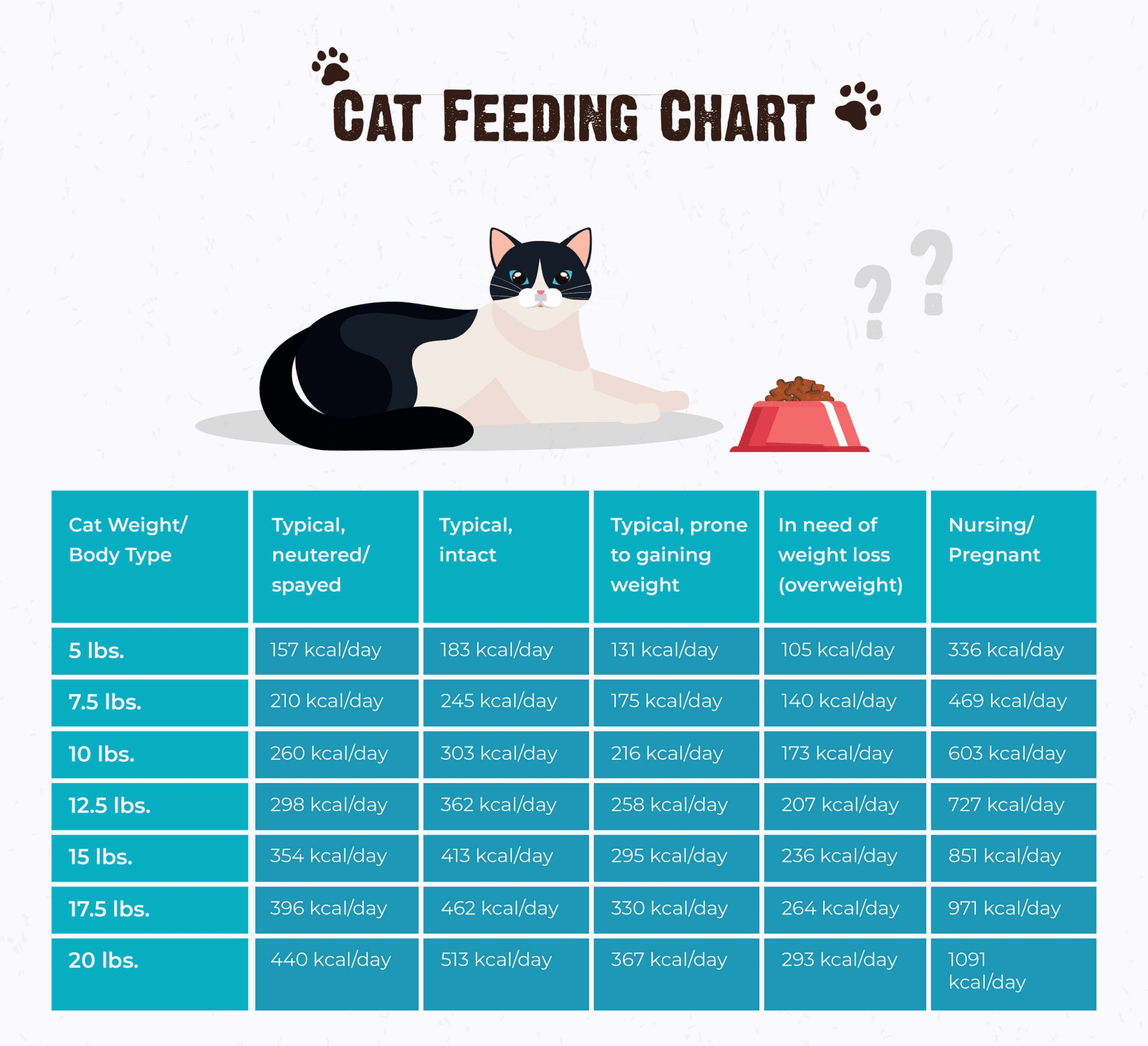
Cats need the right amount of wet food for good health. Factors like age, weight, and activity level matter. Check with a vet for the best portion.
Determining the right amount of wet food for your cat can be a puzzle. You want to ensure they are healthy and satisfied, without overfeeding. This section will help you navigate this challenge and find the perfect balance for your feline friend.
Understanding Your Cat’s Age And Size
Your cat’s age and size play a crucial role in determining how much wet food they need. Kittens, for example, require more frequent meals due to their rapid growth and high energy levels. Adult cats need a balanced diet tailored to their size. Have you noticed your cat’s unique eating habits? Observing these can guide you in portioning their meals appropriately.
Activity Level Matters
Consider how active your cat is. A playful, energetic cat may need more calories than a sedentary one. If your cat spends most of the day lounging, their calorie intake should be lower. Does your cat often zoom around the house, or do they prefer napping? Adjust their food portions accordingly to match their lifestyle.
Consult The Feeding Guidelines
Most wet cat food packages come with feeding guidelines. These are a great starting point. They usually recommend portions based on weight, age, and activity level. Have you checked the label on your cat’s food? It offers valuable insights into serving sizes tailored to their needs.
Monitor Weight And Adjust
Regularly monitor your cat’s weight. This helps in making informed decisions about food portions. If your cat gains weight, reduce their food slightly. If they lose weight, increase it. Have you weighed your cat lately? It could reveal whether the current feeding amount is ideal.
Keep An Eye On Hunger Cues
Cats have their ways of showing hunger. If your cat seems restless or meows frequently at meal times, they may need a bit more food. Alternatively, if they leave food in the bowl, consider reducing the portion. Are you attuned to your cat’s hunger signals? Listening to these can guide you in adjusting their meals.
Personal Experience: Trial And Error
I’ve experienced the trial and error process with my own cat, Whiskers. Initially, he was leaving food uneaten, indicating I was overfeeding. By gradually reducing his portion, I found the right balance. Have you tried tweaking your cat’s meal portions based on their reactions? It’s an effective strategy to find what works for them. In the quest for the perfect portion size, remember to stay flexible. Your cat’s needs may change over time. By staying attentive and adaptable, you can ensure they remain healthy and happy. Have you found your balance yet?
Factors Influencing Dietary Needs
Understanding how much wet food your cat needs involves various factors. Cats have different dietary requirements based on individual characteristics. Owners should consider several aspects to ensure their cats’ health. This section explores key factors influencing these needs.
Age And Life Stage
A cat’s age plays a crucial role in dietary requirements. Kittens need more calories than adults for growth. Senior cats often require fewer calories due to lower activity. Each life stage demands specific nutrients for optimal health. Tailoring food to your cat’s age supports its development and longevity.
Activity Level
Active cats burn more calories than sedentary ones. Energetic cats might need additional food to replenish energy. Indoor cats tend to be less active than outdoor cats. Adjust food quantities based on your cat’s activity. Ensuring proper caloric intake maintains a healthy weight.
Health Conditions
Health issues can significantly impact dietary needs. Cats with conditions like diabetes or obesity may need special diets. Consult a veterinarian for guidance on specific dietary adjustments. Health conditions often require careful monitoring of food intake.
Breed Size And Metabolism
Different cat breeds have varying sizes and metabolic rates. Larger breeds may need more food compared to smaller ones. Metabolism influences how food is processed and utilized. Knowing your cat’s breed helps in determining appropriate food amounts.
Quality Of Wet Food
The quality of wet food affects nutritional value. High-quality food provides essential nutrients efficiently. Lower quality options may lack necessary vitamins and minerals. Opt for wet food with balanced nutrition to meet dietary needs. Quality ingredients contribute to overall health.
Transitioning To Wet Food
Cats thrive on a balanced diet. Typically, a cat should eat about 3 to 3. 5 ounces of wet food daily. Adjust portions based on your cat’s weight and activity level.
Transitioning your cat to wet food can feel like a daunting task, but with the right approach, it can be smooth and rewarding. Cats are naturally curious, and with a bit of patience, you can guide them to enjoy the benefits of wet food. This transition not only ensures your feline friend gets proper hydration but also adds variety to their diet.
Start With A Mix
Begin the transition by mixing wet food with your cat’s current kibble. This allows them to gradually get used to the taste and texture. Try a ratio of 25% wet food to 75% dry food. Gradually increase the wet food portion over a week or two. This gradual change helps prevent digestive issues and makes the transition easier for both you and your cat.
Observe Their Preferences
Every cat has unique tastes. Pay attention to the flavors and textures your cat seems to enjoy. Does your cat prefer fish-based wet food or something poultry-flavored? Noticing these preferences can help you select the right wet food options. Offer small portions and observe their reaction; their enthusiasm will guide your choices.
Maintain A Routine
Cats thrive on routine. Establish set meal times for wet food feeding to create a sense of normalcy. Consistency helps your cat anticipate and accept the new diet. Serve meals at the same time each day, and keep feeding areas clean. This routine reassures your cat, making them more comfortable with the change.
Monitor Health Changes
Track any changes in your cat’s health as they transition to wet food. Are they drinking less water? Is their coat shinier? Wet food often improves hydration levels, which can enhance overall health. Notice these positive changes, but keep an eye out for any adverse reactions like digestive upset. Adjust the food type or portion if necessary.
Engage With Your Cat
Involve your cat in the process. Use meal times as an opportunity to bond. Sit with them while they eat, offering gentle encouragement. This interaction can ease the transition and strengthen your relationship. Your presence can make meal times more enjoyable, reinforcing positive associations with wet food. Are you ready to make the switch? Transitioning to wet food might take some time, but with patience and observation, you can find the perfect balance for your cat’s diet. Why not start today and see how your feline friend responds?

Credit: michupet.com

Credit: www.expertcatcare.com
Frequently Asked Questions
How Much Wet Food Should A Cat Eat In One Day?
A cat typically needs about 3-5 ounces of wet food daily. Adjust based on age, activity, and health. Always consult your veterinarian for personalized advice. Ensure fresh water is available.
Is 2 Cans Of Wet Food Enough For My Cat?
Two cans might be enough, but it depends on your cat’s size, age, and activity level. Consult your vet for personalized advice. Always ensure fresh water is available, and monitor your cat’s weight and health regularly. Adjust portions as needed to maintain a healthy weight.
How Often Should I Feed My Cat Wet Food?
Feed your cat wet food twice daily. Morning and evening meals work well.
Is Wet Food Better Than Dry Food For Cats?
Wet food has more moisture. It helps with hydration and may be easier to digest.
Can I Mix Wet And Dry Cat Food?
Yes, mixing is fine. It adds variety and can balance nutrition for your cat.
Conclusion
Finding the right amount of wet food for your cat is crucial. Balance is key for a healthy diet. Consider your cat’s age, weight, and activity level. Monitor their weight and adjust portions as needed. Consult your vet for personalized advice.
Keep fresh water available at all times. Wet food helps with hydration. A consistent feeding schedule benefits your cat. Healthy eating supports a long and happy life. Your cat deserves the best care possible. Make informed choices for their wellbeing.
Happy feeding!

Hi, I’m Taylor Morgan, the heart behind CATWhisk! As a lifelong cat enthusiast with a passion for feline care and behavior, I focus on providing reliable, practical, and engaging advice to cat parents everywhere. From health tips to fun DIY projects, my mission is to help you and your whiskered companions live your best lives together.