
Last Updated on February 18, 2026
Do you want your senior cat to feel as comfortable and healthy as possible? As our feline friends age, their grooming needs change, and they rely on us more than ever.
Imagine your senior cat purring contentedly, their fur smooth and clean, while they move around with ease. It’s not just a dream—it’s possible with the right grooming routine. This article is your guide to understanding the unique grooming needs of older cats, focusing on comfort, mobility, and skin care.
You’ll learn simple, effective techniques that can make a world of difference for your cherished companion. Dive in to discover how you can enhance your senior cat’s quality of life today.
Credit: www.petevolution.com
Contents
Gentle Grooming Techniques
Senior cat grooming focuses on comfort, mobility, and skin care. Gentle techniques help soothe aging cats, ensuring their well-being. Regular grooming maintains their coat’s health and supports their overall happiness.
Senior cats need special care, especially during grooming. Their skin becomes more sensitive with age. Mobility issues may also arise. Gentle grooming techniques help maintain their comfort and well-being. These methods ensure that grooming is a relaxing experience for your senior feline friend.
Understanding Your Cat’s Comfort Level
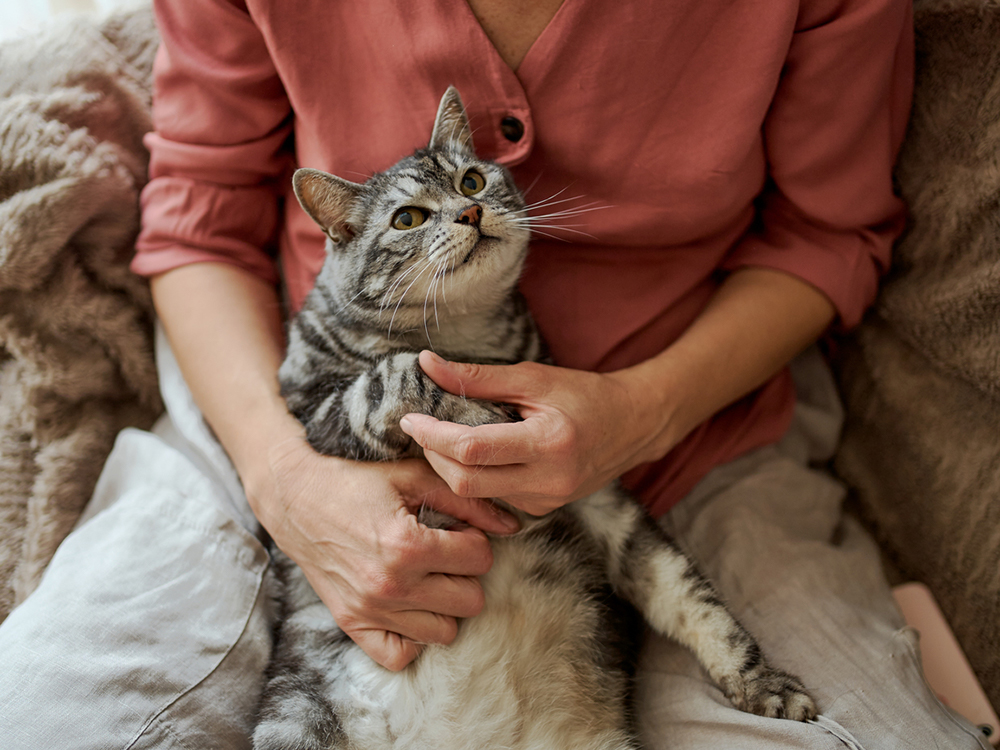
Observe your cat’s behavior during grooming sessions. Look for signs of discomfort. These can include twitching, growling, or trying to escape. Adjust your approach accordingly. Use soft brushes with gentle strokes. This will soothe your cat and prevent skin irritation.
Using Soft Brushes And Tools
Soft brushes are ideal for senior cats. They protect delicate skin from damage. Use tools designed for sensitive skin. Rubber brushes are great for removing loose fur. They also provide a gentle massage. This can improve blood circulation and promote relaxation.
Maintaining A Calm Environment
Create a peaceful setting for grooming. Choose a quiet room free from distractions. Soft music can help calm your cat. Speak in a gentle voice. This reassures them and builds trust. A stress-free environment makes grooming enjoyable.
Regular Grooming Sessions
Schedule consistent grooming sessions. This keeps their coat healthy and clean. Regular grooming reduces shedding and matting. It also allows for early detection of skin issues. Consistency helps your cat become familiar with the routine.
Checking For Skin Issues
During grooming, inspect your cat’s skin. Look for redness, bumps, or sores. These can indicate health problems. Early detection is crucial for treatment. Consult a vet if you notice any irregularities. Your cat’s health is a top priority.
Credit: www.kinship.com
Choosing The Right Tools
Choosing the right tools for grooming your senior cat can make all the difference in their comfort and health. As our furry friends age, their grooming needs change, requiring gentler and more effective tools. The right grooming tools not only help maintain your cat’s skin and coat but also enhance their mobility and overall well-being.
Understanding Your Cat’s Needs
Every senior cat is unique. Consider their specific needs and preferences when selecting grooming tools. Is your cat struggling with mobility issues? Perhaps they have sensitive skin. Tailoring your tool selection to these factors can prevent discomfort and make grooming a positive experience.
Brushes And Combs
Look for brushes with soft bristles that gently massage the skin while removing loose hair. Rubber brushes can be ideal as they are gentle and stimulate blood flow. Wide-toothed combs are great for detangling fur without pulling.
Nail Clippers
Senior cats may be less active, leading to longer nails that can affect their mobility. Choose clippers with a safety guard to prevent cutting too close to the quick. Regular trimming keeps your cat comfortable and prevents potential injuries.
Shampoos And Conditioners
Opt for hypoallergenic shampoos designed for sensitive skin. These products can soothe irritated skin and maintain a healthy coat. Conditioning sprays can be a quick alternative to a full bath, making grooming less stressful for both you and your cat.
Pet Wipes
When bathing isn’t possible, pet wipes are a handy tool. They’re perfect for quick clean-ups and freshening up your cat without the hassle of a full bath. Choose wipes that are alcohol-free to avoid drying out their skin.
Grooming Gloves
Grooming gloves offer a gentle way to remove loose hair while petting your cat. They’re perfect for senior cats who may be wary of traditional brushes. This tool can turn grooming into a bonding experience, enhancing your cat’s comfort.
Have you ever considered how grooming tools can affect your cat’s mood and health? The right tools can transform grooming from a chore into a pleasant routine. Investing in quality tools tailored to your senior cat’s needs can make a world of difference in their comfort and happiness.
Skin Health Tips For Older Cats
Senior cat grooming ensures comfort and aids mobility. Regular brushing helps reduce shedding, preventing skin irritation. Frequent checks for skin conditions keep older cats happy and healthy.
As your beloved feline friend ages, their skin health becomes a crucial aspect of their overall well-being. Older cats can experience changes in their skin that require special attention. This section provides practical tips to ensure your senior cat’s skin stays healthy and comfortable. You’ll discover methods to keep their skin hydrated, prevent irritation, and enhance their grooming routine.
Understanding Your Senior Cat’s Skin Needs
Older cats may have thinner skin, making them more prone to dryness and irritation. Regular check-ups with your vet can help monitor any skin changes. Look for signs like flakiness or bumps and address them promptly.
Hydration: The Key To Healthy Skin
Just like humans, cats need adequate hydration for healthy skin. Ensure your cat has access to fresh water at all times. Consider adding moist cat food to their diet, which can help keep their skin hydrated from the inside out.
Gentle Grooming Practices
Use a soft brush to groom your senior cat gently. This can help remove loose fur and prevent mats. Be careful around sensitive areas and never pull on tangled fur. Regular grooming can stimulate blood flow to the skin, promoting health.
Choosing The Right Products
Opt for hypoallergenic shampoos and conditioners made specifically for cats. Avoid human products, as they can irritate feline skin. If your cat has specific skin issues, consult your vet for recommended products.
Spotting Skin Problems Early
Keep an eye out for redness, swelling, or unusual patches. These could indicate allergies or infections. Early detection is key to preventing more serious problems. Have you ever noticed your cat scratching more than usual? It might be time for a vet visit.
Dietary Considerations For Skin Health
A well-balanced diet can greatly influence your cat’s skin condition. Foods rich in omega-3 fatty acids can improve skin health. Discuss dietary supplements with your vet if your cat’s skin needs extra support.
Environmental Factors To Consider
Ensure your home is a comfortable environment for your cat. Dry air from heaters can lead to skin dryness; consider using a humidifier. Are there any irritants in your home, like smoke or strong cleaning products, that might affect your cat’s skin? Taking these steps can significantly enhance your senior cat’s skin health, ensuring they remain comfortable and happy. Remember, your attention to their needs can make all the difference in their quality of life.
Frequently Asked Questions
How Can I Help My Elderly Cat With Grooming?
Brush your elderly cat gently daily to prevent mats and tangles. Use a soft-bristle brush. Trim nails regularly. Provide a balanced diet for healthy skin and coat. Consult a vet for specialized grooming needs. Create a calm environment to reduce stress during grooming sessions.
How Do I Tell If My Senior Cat Is Suffering?
Look for signs like decreased appetite, lethargy, hiding, weight loss, or changes in grooming habits. Notice any vocalization changes, difficulty moving, or altered bathroom habits. Regular vet check-ups can help identify issues early.
Should You Groom A 21 Year Old Cat?
Yes, grooming a 21-year-old cat is essential for its health. Regular grooming helps manage shedding and prevent matting. It also allows you to check for any skin issues or abnormalities. Be gentle, as older cats may have sensitive skin or arthritis.
Use soft brushes and be patient.
Should I Bathe My 17 Year Old Cat?
Bathe your 17-year-old cat only if necessary. Cats usually groom themselves and prefer being clean naturally. Use gentle, cat-safe shampoo and ensure a stress-free environment. Regular bathing might not be needed unless your cat has specific health issues or gets particularly dirty.
Consult a vet for advice.
How Can I Groom My Senior Cat Safely?
Use gentle brushes. Trim nails carefully. Check for skin issues. Prioritize comfort and patience during grooming sessions.
Conclusion
Caring for a senior cat requires attention and patience. Regular grooming helps keep their skin healthy. It also improves mobility and comfort. Use gentle tools to brush their fur. Trim their nails carefully to avoid pain. Check their skin for any signs of issues.
Older cats may have special needs. Understanding these needs can improve their quality of life. Spend quality time with them during grooming. This strengthens your bond. A happy and well-groomed cat leads a healthier life. Always consult your vet for specific advice.
Your senior cat deserves the best care possible.
Hi, I’m Taylor Morgan, the heart behind CATWhisk! As a lifelong cat enthusiast with a passion for feline care and behavior, I focus on providing reliable, practical, and engaging advice to cat parents everywhere. From health tips to fun DIY projects, my mission is to help you and your whiskered companions live your best lives together.