
Are you thinking about switching your cat’s food but worried about upsetting their sensitive stomach? You’re not alone.
Many cat owners face the challenge of transitioning their feline friend’s diet without causing digestive issues or resistance. It’s essential to make this change smoothly to keep your cat happy and healthy. This step-by-step plan is designed to guide you through the process with ease and confidence.
Imagine your cat enjoying their new food, with a shiny coat and boundless energy. You can achieve this by following a few simple steps. Ready to make the change without the stress? Keep reading to discover how you can transition your cat’s food safely and effectively.

Credit: www.thepetparentingreset.com
Contents
Identifying The Right Time To Transition
Discovering the right time to switch cat food is crucial for your pet’s health. Begin by observing your cat’s eating habits and energy levels. Gradual changes ensure a smooth adjustment, minimizing digestive issues.
Transitioning your cat to a new food requires careful timing. Cats have sensitive digestive systems. Switching foods too quickly can cause issues. It’s essential to know the right moment for a change. Recognizing when to begin is crucial for success.
Recognizing Dietary Needs
Observe your cat’s eating habits closely. Is your cat finishing meals? Any food left behind regularly? These signs may indicate a need for change. Cats’ dietary needs can shift over time. Age, health, and activity levels influence these needs.
Monitoring Health Indicators
Keep an eye on your cat’s weight and energy. Sudden changes in weight can signal a problem. Dull fur or lack of energy also suggests dietary concerns. A healthy cat shows vitality and a shiny coat. Regular vet visits help spot health shifts early.
Understanding Age And Life Stages
Kittens, adults, and seniors have different nutritional needs. Kittens require high energy and protein diets. Adult cats need balanced nutrition to maintain health. Seniors benefit from food that supports joint health. Adjust food type as your cat ages.
Consulting With A Veterinarian
A vet’s advice is valuable when changing cat food. They provide insights tailored to your cat’s needs. Discuss any health concerns or observed changes. A vet can recommend the best food options. This ensures your cat receives optimal nutrition.
Watching For Allergies Or Intolerances
Pay attention to signs of food allergies. Itchy skin, vomiting, or diarrhea may indicate a problem. If symptoms persist, a food change could be necessary. Introduce new foods slowly to monitor reactions. This helps identify any potential allergens. `
Choosing The New Cat Food
Switching your cat’s food needs careful planning. Gradually mix old and new food to avoid stomach upset. Observe your cat’s reaction to new flavors and adjust accordingly.
Transitioning your cat to a new food can seem daunting, but selecting the right food is crucial for a smooth transition. Cats have distinct preferences, so choosing a new food they will love is essential. It’s not just about what you think is best; it’s about finding the perfect balance that suits your cat’s needs.
Understanding Your Cat’s Dietary Needs
Every cat is unique, with specific dietary requirements based on age, health, and lifestyle. Consider your cat’s age: kittens need more protein and fat for growth, while older cats benefit from foods low in calories and high in fiber. If your cat has health issues, consult your vet for recommendations tailored to their needs.
Researching Quality Brands
Not all cat foods are created equal. Look for brands known for high-quality ingredients and balanced nutrition. Avoid foods with excessive fillers or artificial additives. Read labels carefully; the first ingredient should ideally be a real meat source. Trustworthy brands often have transparent sourcing and production processes.
Testing For Taste And Preference
Cats can be finicky eaters. Purchase small quantities of the new food to test whether your cat likes the taste. You might need to try several options before finding the right one. Observe your cat’s reaction closely; enthusiasm is a good sign, but reluctance might mean trying something else.
Checking For Allergies Or Sensitivities
A sudden change in diet can reveal allergies or sensitivities. Monitor your cat for any adverse reactions like itching or digestive issues. If symptoms occur, consult your vet and consider alternative foods. A gradual introduction can help identify any problematic ingredients.
Balancing Dry And Wet Food
Cats benefit from a combination of dry and wet food. Wet food aids hydration, while dry food is convenient and promotes dental health. Decide on the proportions based on your cat’s preference and health needs. Experiment to find the optimal mix that keeps your cat satisfied. Choosing the right food is a meticulous process, but it’s vital for your cat’s well-being. What insights have you gained from your experiences with selecting cat food? Share your thoughts and questions below.
Step-by-step Transition Process
Transitioning your cat’s food requires careful planning. A step-by-step approach ensures minimal upset to your feline friend’s diet. Gradual changes help your cat adjust smoothly. This process avoids digestive issues and encourages acceptance of new flavors.
Mix New And Old Food Gradually
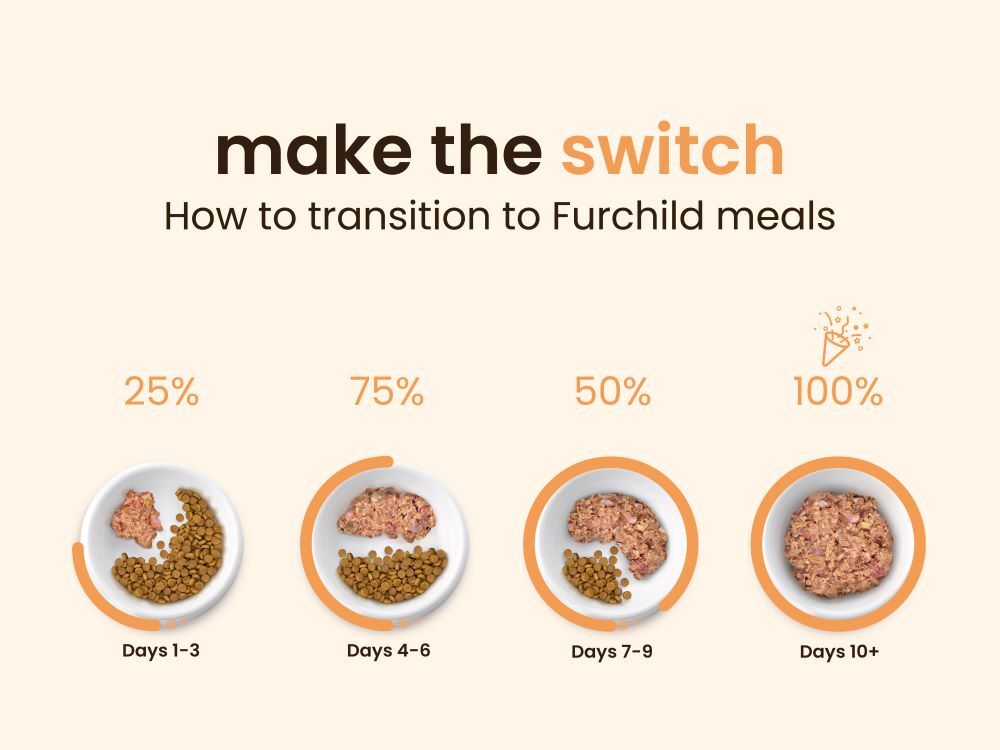
Start by mixing a small amount of new food with old food. Increase new food gradually over seven to ten days. Begin with 25% new food and 75% old food. Then move to 50% new and 50% old. Continue until you reach 100% new food.
Observe Your Cat’s Reactions
Watch your cat closely during the transition. Look for signs of discomfort or digestive upset. Check stool consistency and overall behavior. If issues arise, slow the transition pace. Every cat is unique, so adjust as needed.
Ensure Adequate Hydration
Provide fresh water at all times. Hydration helps maintain digestive health. Wet food can also contribute to hydration. Monitor your cat’s water intake during the transition. Proper hydration aids in smoother digestion.
Consult Your Veterinarian
Seek guidance from your veterinarian if needed. They offer advice tailored to your cat’s needs. A vet can address concerns and recommend suitable food options. Professional input ensures a safe and effective transition.
Credit: furchildpets.com

Credit: jessicalfisher.com
Frequently Asked Questions
How To Properly Transition Cat Food?
Transition cat food gradually over 7-10 days. Mix 25% new food with 75% old food initially. Gradually increase the new food portion every few days. Monitor your cat for any digestive issues. Ensure fresh water is always available. This helps prevent stomach upset and encourages acceptance of the new diet.
What Is The 25 Rule For Cat Food?
The 25% rule for cat food means the product must contain at least 25% of the named ingredient. This rule helps ensure that consumers get a specific amount of the advertised ingredient in pet food products. It applies when the ingredient is part of a descriptive phrase like “Chicken Dinner.
“
How Long Can It Take For A Cat To Adjust To New Food?
Cats can take 7 to 14 days to adjust to new food. Gradually mix the new food with the old one. Monitor your cat for any signs of discomfort or allergies. Patience and observation ensure a smooth transition. Always consult a veterinarian for personalized advice.
Can You Abruptly Change Cat Food?
Abruptly changing cat food can upset your cat’s stomach. Gradually introduce new food over 7-10 days. Mix increasing amounts of new food with old. This helps prevent digestive issues and ensures a smooth transition. Always consult a vet if your cat shows signs of distress or food intolerance.
Conclusion
Transitioning your cat’s food doesn’t have to be tricky. Follow the steps carefully. Your cat’s health is important. Take your time with changes. Observe how your cat reacts. Adjust the plan if needed. Consistency and patience make a big difference.
Cats thrive on routine. A smooth transition ensures they stay happy and healthy. Always consult your vet for advice. They know what’s best for your cat’s needs. With the right approach, your cat’s diet change will be safe. Keep their diet balanced and nutritious.
Your cat will thank you with purrs and cuddles.
Last Updated on January 19, 2026 by Taylor Morgan

Hi, I’m Taylor Morgan, the heart behind CATWhisk! As a lifelong cat enthusiast with a passion for feline care and behavior, I focus on providing reliable, practical, and engaging advice to cat parents everywhere. From health tips to fun DIY projects, my mission is to help you and your whiskered companions live your best lives together.