
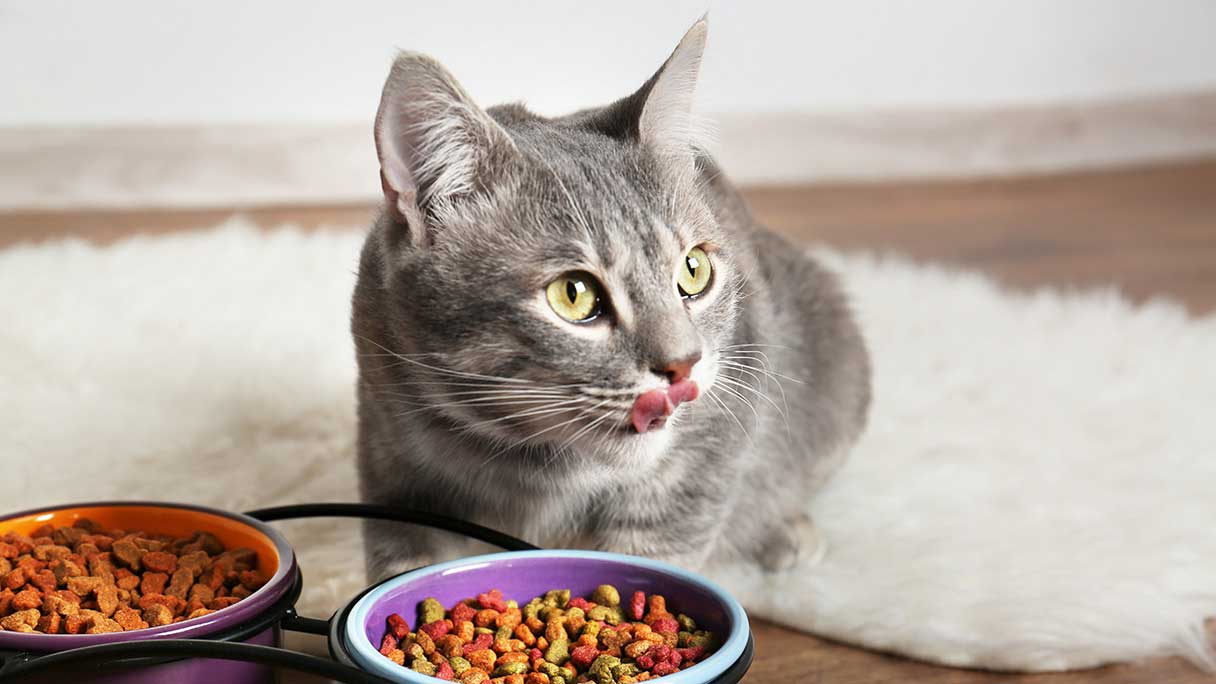
Choosing the right cat food can feel like a puzzle. Wet or dry?
Each option has its own set of pros and cons, and what works for one cat might not be the best choice for yours. You want to ensure your furry friend is not only well-fed but also healthy and happy.
The decision isn’t just about flavor; it’s about nutrition, convenience, and even your cat’s individual needs and preferences. This article will guide you through the maze of wet vs. Dry cat food, breaking down the benefits and drawbacks of each. You’ll discover which option might be the best fit for your feline companion based on their lifestyle and health needs. By the end, you’ll feel confident in making a choice that supports your cat’s well-being. Keep reading to unlock the secret to your cat’s perfect diet.
Credit: www.carecredit.com
Contents
Nutritional Benefits
Choosing between wet and dry cat food involves understanding their nutritional benefits. Wet food often contains more water, aiding hydration. Dry food provides convenience and dental health benefits. Finding the right balance ensures your cat gets essential nutrients and maintains optimal health.
Nutritional benefits play a crucial role in selecting the right cat food. A balanced diet ensures your cat remains healthy and active. Wet and dry cat foods offer distinct nutritional profiles. Understanding these differences helps in making informed choices.
Protein And Moisture Content
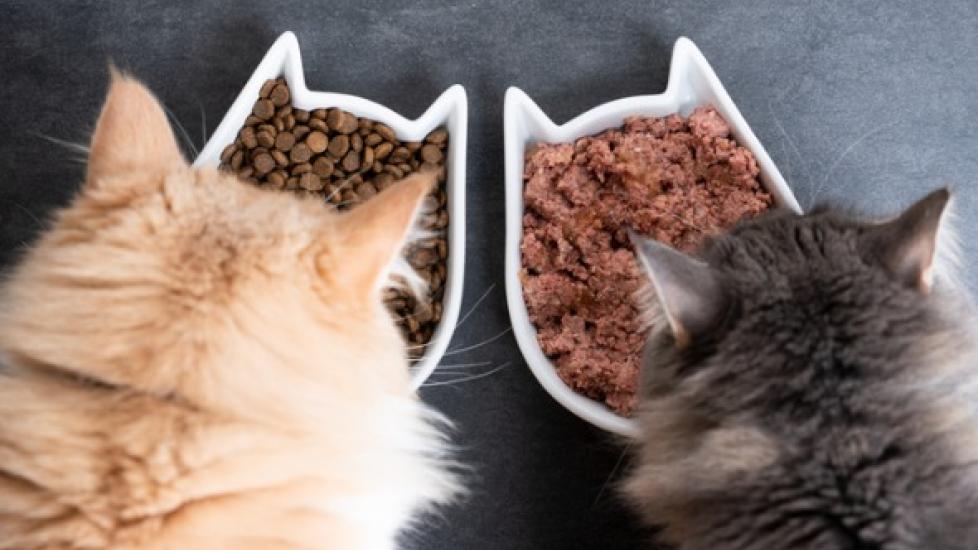
Protein is essential for muscle growth and repair. Wet cat food typically contains more protein than dry food. Cats are carnivores and need high protein levels. Wet food also offers higher moisture content. This helps maintain hydration. Dry cat food has less moisture, which might lead to dehydration. Cats that drink less water benefit from wet food’s moisture.
Vitamins And Minerals
Both wet and dry cat foods contain vital vitamins and minerals. These nutrients support overall health and immune function. Wet food often has more natural ingredients. This can mean richer nutrient profiles. Dry cat food is fortified with essential vitamins. It provides necessary minerals for bone and dental health. Selecting food with balanced vitamins ensures a healthy cat. Always check labels for nutrient content.
Credit: www.petmd.com
Health Implications
Choosing between wet and dry cat food can impact your pet’s health. Wet food often provides hydration and is easier on the kidneys. Dry food supports dental health but may lack moisture. Understanding these factors helps tailor the best diet for your cat’s needs.
Choosing the right type of cat food can significantly impact your feline friend’s health. Wet and dry cat food both have their unique benefits and drawbacks, especially regarding health. Understanding these implications can help you make informed decisions tailored to your cat’s needs. Whether it’s dental health, weight management, or other factors, each type of food plays a role in your pet’s overall well-being.
Dental Health Considerations
Dry cat food often gets the nod for dental health. The crunchiness can help reduce plaque buildup, acting like a toothbrush for your cat. But don’t rely solely on kibble for oral care. Regular dental check-ups are crucial. Wet food, on the other hand, doesn’t offer the same scraping action. If your cat prefers wet food, consider adding dental treats or brushing their teeth. Have you ever noticed your cat’s gums looking red or swollen? It might be time to rethink their diet or dental routine.
Weight Management
Wet food typically contains more moisture and fewer calories than dry food. This can be beneficial if you’re worried about your cat gaining weight. Offering moisture-rich meals can help them feel fuller without consuming excess calories. Dry food is calorie-dense, which can be ideal for active cats needing extra energy. However, it’s easier to overfeed with kibble. Have you ever checked the serving size on the package? It’s often less than we think. Adjusting portions can prevent weight-related issues. Ultimately, the choice between wet and dry food should reflect your cat’s lifestyle and health needs. Just like humans, cats benefit from a balanced diet tailored to their specific requirements. What changes will you make to improve your cat’s health today?
Convenience And Cost
Choosing between wet and dry cat food involves weighing convenience and cost. Both options have distinct benefits and drawbacks. Understanding these can help make informed choices for your feline friends. Let’s dive into how storage, shelf life, and budget-friendly options affect your decision.
Storage And Shelf Life
Wet cat food requires refrigeration after opening. It can spoil quickly if left out. This means you need to store it properly to keep it fresh. On the other hand, dry cat food can be stored easily. It doesn’t need refrigeration and lasts longer without going bad. This makes dry food convenient for busy owners.
Budget-friendly Options
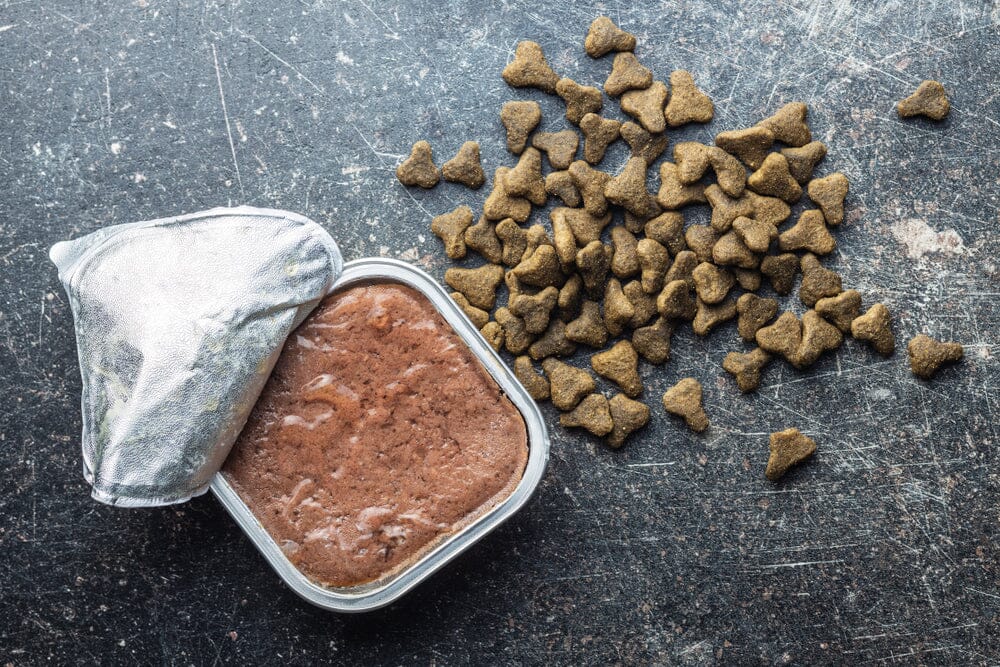
Dry cat food is often more affordable than wet options. It comes in larger packages, which tend to be cost-effective. Wet food can be pricier, especially if you feed it daily. Some cat owners find mixing wet and dry food helps manage costs. This strategy offers variety while keeping expenses in check.
Credit: www.prettylitter.com
Frequently Asked Questions
Do Cats Do Better With Dry Or Wet Food?
Cats may benefit from a mix of both dry and wet food. Wet food provides hydration and variety, while dry food supports dental health. Consult your veterinarian for personalized advice based on your cat’s age, health, and preferences.
What Are The Disadvantages Of Wet Cat Food?
Wet cat food can spoil quickly if left out. It often costs more than dry food. Some cats may have digestive issues. Wet food can also lead to dental problems due to lack of chewing. Always check for allergens or ingredients that might not suit your cat.
Why Is Dry Food Not Recommended For Cats?
Dry food can lead to dehydration and urinary issues in cats. It often lacks necessary moisture. Cats may miss essential nutrients found in wet food, impacting their health. Wet food better mimics a cat’s natural diet, supporting hydration and overall wellness.
Why Do Vets Recommend Wet Food For Cats?
Vets recommend wet food for cats because it provides hydration, supports urinary health, and offers high-quality protein. Wet food also mimics a cat’s natural diet, promoting better digestion and weight management.
Conclusion
Choosing the right cat food matters. Wet food offers hydration and taste. Dry food provides convenience and dental benefits. Consider your cat’s health and lifestyle. Mix both for balance. Monitor your cat’s reactions. Adjust as needed. Consult your vet for advice.
Tailor the diet to your cat’s needs. Each option has unique benefits. Some cats prefer one type over the other. Think about storage and budget. Quality and nutrition should guide your choice. Happy feeding leads to a happy cat. Make informed decisions to support your cat’s well-being.
Last Updated on January 19, 2026 by Taylor Morgan

Hi, I’m Taylor Morgan, the heart behind CATWhisk! As a lifelong cat enthusiast with a passion for feline care and behavior, I focus on providing reliable, practical, and engaging advice to cat parents everywhere. From health tips to fun DIY projects, my mission is to help you and your whiskered companions live your best lives together.