Last Updated on April 28, 2026
Imagine a world where your cat eagerly comes when called, sits patiently, and even performs delightful tricks. Sounds too good to be true?
It’s not, thanks to the magic of clicker training for cats. This method is not just for dogs—it’s an easy, fun, and effective way to teach your feline friend new behaviors. Whether you’re a seasoned pet owner or a first-time cat parent, this guide is designed to make your training journey smooth and enjoyable.
Why settle for a cat that simply sleeps and eats when you can engage their mind and strengthen your bond through training? With just a clicker and some tasty treats, you can transform your cat’s behavior and bring out their playful side. Read on to discover how simple it is to get started and learn the easy behaviors that will impress not only your friends but also your cat. Don’t miss out on the chance to enhance your relationship with your furry companion—this guide is your ticket to a happier, more interactive life with your cat.

Credit: www.amazon.com
Benefits Of Clicker Training
Clicker training for cats offers many benefits. It’s a simple method that strengthens the bond between you and your cat. The training uses positive reinforcement, making it enjoyable for your feline friend. With a clicker and some treats, you can teach your cat useful and fun behaviors.
Improves Communication
Clicker training helps you communicate clearly with your cat. It marks the exact moment your cat does something right. This clear signal reduces confusion and speeds up learning. Your cat understands what you want more quickly.
Strengthens Bond
Working together during training sessions strengthens your relationship. Your cat learns to trust you more. This trust builds a stronger bond between you and your furry companion.
Encourages Mental Stimulation
Cats need mental challenges to stay happy. Clicker training provides this by introducing new tasks and tricks. It keeps your cat’s mind sharp and engaged.
Reduces Problematic Behavior
Training redirects unwanted behaviors. Teaching positive behaviors gives your cat something better to do. It can reduce issues like scratching furniture or excessive meowing.
Increases Confidence
Success in training boosts your cat’s confidence. Knowing they can earn rewards encourages them to try more new things. Confident cats are often happier and more relaxed.
Flexible Training Environment
You can train anywhere. Clicker training doesn’t require a special setting. It’s flexible and adapts to your home environment easily.
Quick And Efficient
Each session is short, yet effective. Cats have short attention spans, so brief sessions work best. You see results quickly, making it rewarding for both you and your cat.
Credit: www.catschool.co
Basic Tools And Techniques
When it comes to training cats, clicker training is a fun and effective method. It’s all about using a small device called a clicker to signal to your cat that they’ve done something right. The sound of the clicker acts as a marker for desired behavior, followed by a treat as a reward. If you’re just starting, you’ll need to understand the basic tools and techniques involved in this rewarding process.
Basic Tools For Clicker Training
The first tool you’ll need is a clicker. It’s a small device that makes a distinct clicking sound when pressed. You can find them in pet stores or online. Choose one that fits comfortably in your hand.
You’ll also need some tasty treats. Opt for small, soft treats that your cat loves. They should be easy to chew so your cat can quickly return to training.
A quiet environment is essential. Find a space free from distractions where your cat feels safe. This helps your cat focus on the training session.
Techniques For Successful Clicker Training
Start with simple behaviors like sitting or touching a target. Once your cat performs the behavior, click immediately and give them a treat. Timing is crucial; the click should happen right as your cat completes the action.
Consistency is key. Train in short sessions, about five to ten minutes, to keep your cat engaged. Practice regularly to reinforce learning.
Use a verbal cue along with the click. For example, when teaching your cat to sit, say “sit” just before they perform the action. This helps your cat associate the word with the behavior.
Personal Insights And Tips
When I started clicker training my cat, I was amazed by her quick progress. At first, she was confused by the sound, but after a few sessions, she began to respond eagerly.
One unexpected insight was how much my cat enjoyed the training. It became a bonding experience, and she looked forward to our sessions. Have you noticed how your cat responds to new challenges?
Remember, patience is vital. Cats learn at their own pace, and pushing them too hard can lead to frustration. Celebrate small victories and enjoy the journey together.
Embark on this adventure with your feline friend and watch as they master new skills. What behaviors are you most excited to teach your cat with clicker training?
Simple Behaviors To Teach
Clicker training for cats introduces fun and easy behaviors. Start with simple actions like sitting or high-five. Reward and repeat for best results.
Clicker training is a fun and effective way to teach your cat simple behaviors. It’s rewarding for both you and your feline friend, offering a chance to strengthen your bond and improve your cat’s skills. You might wonder, what are some easy behaviors to start with? Let’s dive into a few simple tricks that can make your cat the star of your home.
1. Sitting On Command
Teaching your cat to sit on command is a great first step. Start with a treat in hand and the clicker ready. Hold the treat above your cat’s head, moving it slightly back over their head. As their nose follows the treat, their bottom will naturally lower. Once they sit, click and give them the treat.
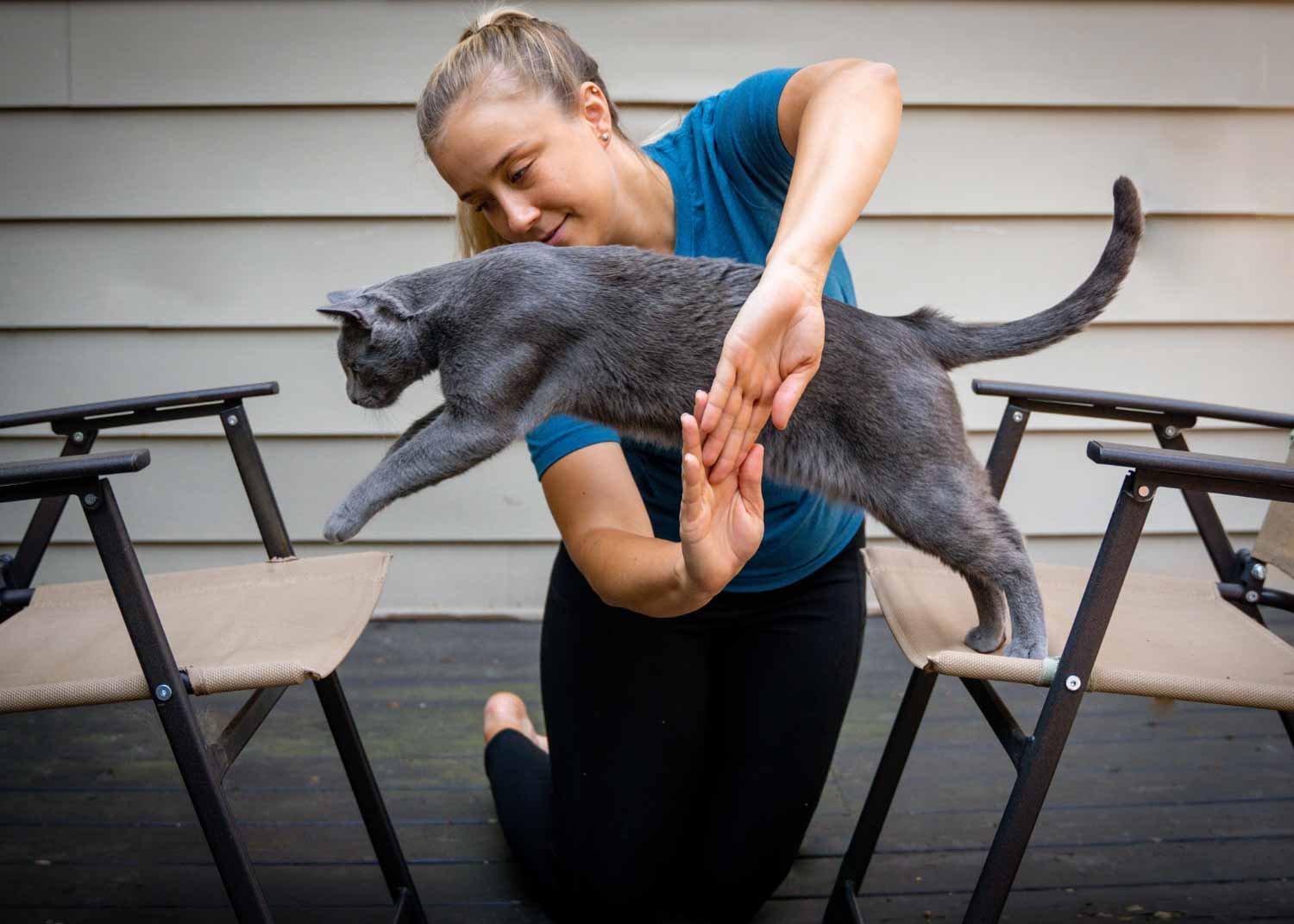
2. High Five
A high five is a crowd-pleaser. Begin by offering your hand near your cat’s paw. When they reach out, click and reward them. Gradually raise your hand higher to encourage a full high five. It’s a fun way to interact, and your guests will surely be impressed!
3. Targeting
Targeting involves teaching your cat to touch a specific object, like a stick or your finger. Hold the target close to them. When they touch it with their nose, click and treat. This can be a stepping stone to more complex tasks, like following a target across the room.
4. Come When Called
Wouldn’t it be great if your cat came when called? Use a specific word or sound, like their name or a whistle. Call them, and when they respond, click and give a treat. This behavior enhances communication, especially during mealtime or when you need to find your cat.
5. Spin
Spinning is a simple trick that adds flair to your cat’s repertoire. Hold a treat close to their nose and slowly move your hand in a circular motion. As they follow the treat, they’ll naturally spin. Once they’ve completed the circle, click and reward them.
6. Jump Through A Hoop
Jumping through a hoop can be exhilarating for your cat. Start with the hoop on the ground, encouraging them to walk through it. Gradually raise the hoop, rewarding them each time they pass through. It’s a fantastic way to exercise and challenge your pet. Remember, patience is key when training cats. Celebrate small victories and enjoy the process. Which behavior will you try first with your furry friend?

Credit: www.outdoorbengal.com
Frequently Asked Questions
How To Begin Clicker Training For A Cat?
Start clicker training by choosing a quiet space and a suitable clicker. Pair clicks with treats consistently. Use simple commands and reward immediately when the desired behavior occurs. Keep sessions short and positive to maintain your cat’s interest. Gradually increase difficulty as your cat learns.
Is Clicker Training Bad For Cats?
Clicker training is not bad for cats. It can effectively teach new behaviors and tricks. Cats respond well to positive reinforcement. Ensure the training is consistent and paired with rewards. This method strengthens the bond between you and your cat.
Always use patience and gentleness during training sessions.
What Is The First Step Of Clicker Training?
The first step of clicker training is to “charge” the clicker. This involves associating the click sound with a reward. You click the device and immediately give your pet a treat. Repeat this process multiple times until your pet understands that the click means a reward is coming.
What Is The Easiest Trick To Train A Cat?
Use positive reinforcement by rewarding your cat with treats for desired behavior. Keep training sessions short and consistent.
What Is Clicker Training For Cats?
Clicker training uses a sound to mark desired behaviors. Cats learn to associate the sound with a treat.
Conclusion
Clicker training opens new ways for bonding with your cat. It’s simple. It’s engaging. Your cat learns quickly. Start with easy behaviors. Watch progress every day. Celebrate small victories. Patience and consistency are key. Keep sessions short and fun. Use rewards that motivate your cat.
Build trust over time. Enjoy the journey. Strengthen your connection. A trained cat is a happy cat. Remember, every cat is unique. Adapt methods to suit your feline friend. Happy training!

Hi, I’m Taylor Morgan, the heart behind CATWhisk! As a lifelong cat enthusiast with a passion for feline care and behavior, I focus on providing reliable, practical, and engaging advice to cat parents everywhere. From health tips to fun DIY projects, my mission is to help you and your whiskered companions live your best lives together.