

Last Updated on February 18, 2026
Struggling with your cat’s weight can feel overwhelming, but you’re not alone. Many cat owners face the challenge of helping their furry friends shed those extra pounds.
You want what’s best for your cat, and a healthy weight is crucial for their well-being and longevity. Imagine your cat being more energetic, playful, and living a longer, happier life. Sounds great, right? That’s where a well-planned cat weight loss program comes in.
You’ll discover simple steps to create an effective weight loss plan for your cat that focuses on the right calorie portions and increased activity. We’ll guide you through making small changes that can lead to significant improvements in your cat’s health. Stick around, and you’ll be equipped with the knowledge and tools to help your cat achieve their ideal weight while keeping them happy and satisfied. Let’s dive into the details that will transform your cat’s life and strengthen the bond you share.
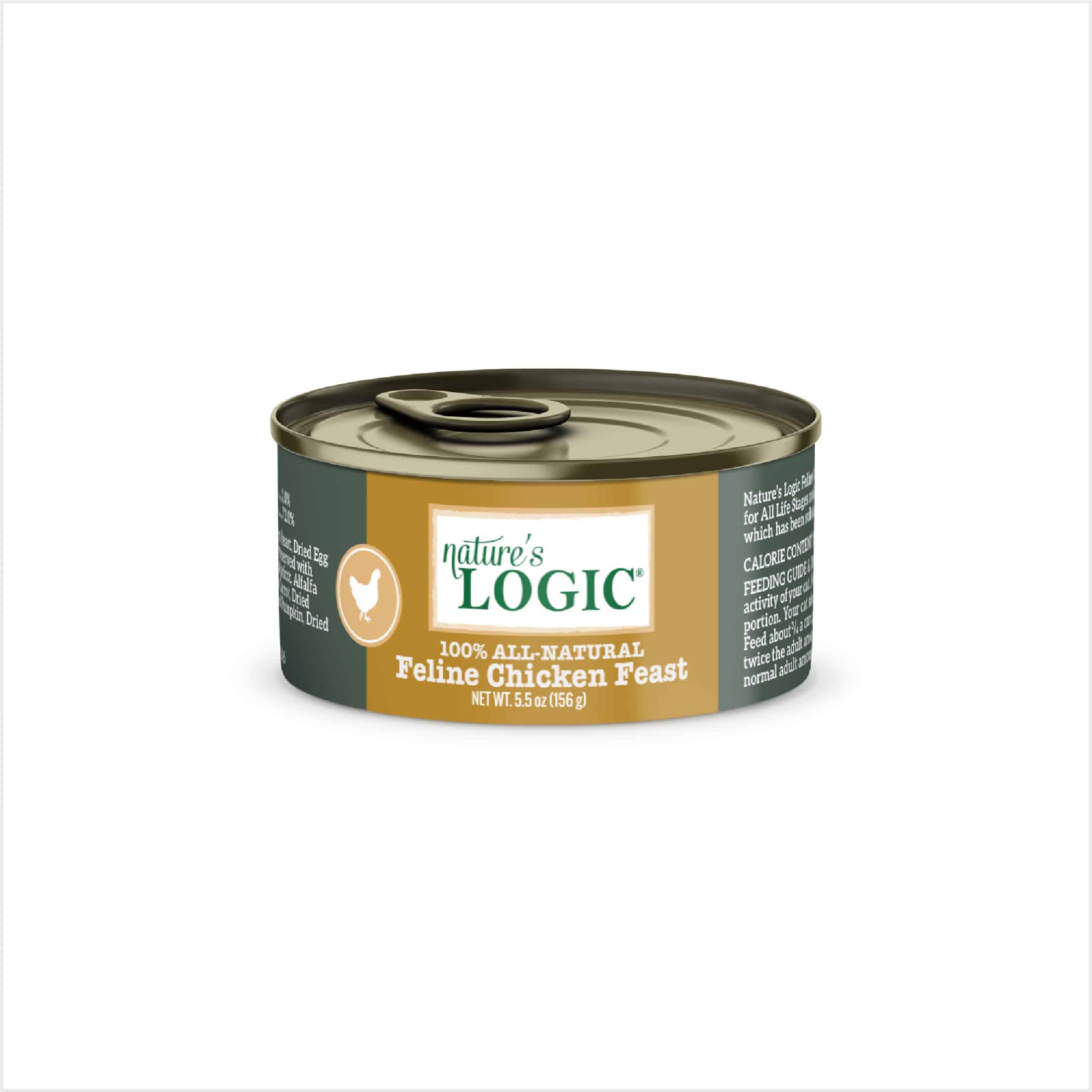
Credit: natureslogic.com
Contents
Calorie Management
Managing your cat’s calorie intake is crucial for weight loss. Excess calories lead to weight gain and health problems. A balanced diet prevents obesity and maintains energy levels.
Understanding calorie needs helps tailor a diet plan. This section explores key aspects of calorie management for cats.
Understanding Your Cat’s Caloric Needs
Each cat has unique caloric requirements. Factors include age, weight, and activity level. Consult a veterinarian to determine your cat’s daily calorie needs. This ensures a safe and effective weight loss plan.
Choosing The Right Food
Selecting appropriate food is essential. Look for high-quality, low-calorie options. Check labels for nutritional information. Choose foods with balanced nutrients. Avoid fillers and artificial additives.
Measuring Portions Accurately
Accurate portion sizes prevent overeating. Use a measuring cup for precision. Follow feeding guidelines on food packaging. Adjust portions based on activity and weight goals.
Monitoring Caloric Intake Regularly
Track your cat’s daily caloric intake. Keep a food diary for consistency. Adjust diet as needed. Monitor weight changes and consult a vet for advice. Regular monitoring helps achieve desired weight loss.
Incorporating Treats Wisely
Treats should be limited. Choose healthy, low-calorie options. Include treats in daily calorie count. Avoid overfeeding treats, which can hinder weight loss goals.
Portion Control
Managing your cat’s portions is crucial for weight loss. Feeding them the right amount ensures they stay healthy while shedding extra pounds. Overfeeding leads to obesity, while underfeeding can cause malnutrition. Precision matters when it comes to meal sizes.
Understanding Portion Sizes
Knowing how much to feed your cat is vital. Start by checking the food packaging for recommendations. These guidelines offer a good starting point. Adjust based on your cat’s age, breed, and activity level.
Measuring Food Accurately
Use a kitchen scale for precise measurements. This ensures your cat receives the right amount. Avoid estimating portions by sight. Mistakes can lead to overfeeding.
Scheduled Feeding Times
Set regular feeding schedules. Routine helps cats adjust to portion control. Feed them at the same times daily. Consistency is key.
Adjusting Portions Gradually
Gradually reduce portion sizes if needed. Sudden changes might upset your cat’s digestion. Slow adjustments are safer and more effective.
Monitoring Your Cat’s Response
Watch your cat’s behavior and weight changes. Observe if they seem hungry or satisfied. Adjust portions accordingly. Their well-being is the priority.
Enhancing Activity
Enhancing activity is crucial for a cat’s weight loss journey. A balanced diet alone won’t shed those extra pounds. Cats need to move more to burn calories efficiently. Increasing their activity level can significantly improve their health. Let’s explore some effective ways to boost your cat’s activity.
Interactive Play Sessions
Interactive toys keep cats entertained and active. Try toys like laser pointers or feather wands. These encourage your cat to chase and pounce. Playtime strengthens their muscles and increases their heart rate. Aim for at least 15 minutes of play daily.
Exploring New Environments
Introduce new spaces for your cat to explore. Create safe outdoor areas or rearrange furniture indoors. Cats love new challenges and environments. Exploring keeps their minds sharp and bodies agile. You can also set up climbing trees or shelves.
Obstacle Courses
Set up simple obstacle courses at home. Use boxes, tunnels, and small jumps. This stimulates your cat’s curiosity and encourages movement. Obstacle courses can be a fun bonding activity. Change the course frequently to maintain interest.
Regular Walks
Leash training opens up a new world for your cat. Take them for short walks around the yard. Walking provides mental stimulation and physical exercise. Ensure the leash is secure and comfortable. Gradually increase the walk duration as your cat adjusts.

Credit: natureslogic.com

Credit: petsupplycentersarasota.com
Frequently Asked Questions
How Much Activity For A Cat To Lose Weight?
Cats need 15-20 minutes of active play daily to lose weight. Use toys to encourage movement and exercise. Interactive play can include chasing, pouncing, or climbing. Monitor their progress and adjust activity levels as needed. Consult a vet for personalized advice and ensure a balanced diet alongside exercise.
How Do You Calculate A Cat’s Weight Loss?
To calculate a cat’s weight loss, subtract the current weight from the previous weight. Use a digital scale for accuracy. Monitor weekly changes to assess progress. Consult a vet if weight loss is unexpected or rapid. Ensure a balanced diet and regular exercise for healthy weight management.
How Much To Feed A Cat Chart By Weight?
Feed cats 24-35 calories per pound of body weight daily. Adjust based on activity level and health. Consult your vet for specific needs. Use a cat feeding chart to determine exact amounts. Ensure fresh water is always available.
How Do I Make My 20 Pound Cat Lose Weight?
Consult your vet for a personalized diet plan. Reduce portion sizes and choose high-protein, low-calorie cat food. Increase playtime and engage your cat with interactive toys. Monitor weight regularly and adjust feeding as needed. Avoid giving treats or human food.
Conclusion
Helping your cat lose weight takes time and patience. Start with small changes. Adjust meal portions to suit their needs. Choose lower-calorie foods that they enjoy. Make sure to keep track of daily calories. Encourage more play and movement each day.
Toys and games can make exercise fun. Monitor progress regularly for best results. Consult the vet for any health concerns. A healthier cat means a happier home. Stay committed to your cat’s weight loss journey. Celebrate small victories along the way.
Your efforts will bring positive change.

Hi, I’m Taylor Morgan, the heart behind CATWhisk! As a lifelong cat enthusiast with a passion for feline care and behavior, I focus on providing reliable, practical, and engaging advice to cat parents everywhere. From health tips to fun DIY projects, my mission is to help you and your whiskered companions live your best lives together.