

Last Updated on February 18, 2026
Have you ever wondered at what age your playful kitten transforms into a full-fledged cat? This transition is more than just a matter of time; it’s a fascinating journey of growth and development that every cat owner should understand.
Knowing when your kitten officially becomes a cat can help you provide the right care and environment to ensure a healthy, happy life for your furry friend. We’ll unravel the mystery and give you insights that will change how you view your growing pet.
Stay with us, and you’ll discover not only the age but also the subtle signs that indicate this significant milestone. Curious to learn more? Keep reading, and you’ll be equipped with all the knowledge you need to nurture your kitten into a thriving adult cat.

Credit: www.whiskas.co.uk
Contents
Kitten Growth Stages
Kittens grow rapidly, transforming into cats around one year old. During this time, they develop independence and maturity. Understanding these growth stages helps in nurturing their physical and emotional needs effectively.
Understanding the journey from kitten to cat is a fascinating process filled with rapid changes. As a kitten owner, it’s crucial to be aware of the different growth stages to ensure your furry friend develops into a healthy adult cat. Each stage comes with its own set of challenges and milestones, making it an exciting time for both you and your kitten.
1. The Neonatal Stage (0-2 Weeks)
During the first two weeks, kittens are completely dependent on their mother. Their eyes and ears are closed, and they rely on touch and smell. At this stage, they need warmth and nourishment, as they cannot regulate their body temperature.
2. The Transitional Stage (2-4 Weeks)
Eyes begin to open, and kittens start to hear sounds. You might notice their first wobbly attempts at walking. This is a critical time for socialization, as they start interacting with their littermates.
3. The Socialization Stage (4-12 Weeks)
Kittens become more playful and adventurous. They learn crucial social skills through play with their siblings. It’s an ideal time for you to introduce them to new experiences and gentle handling.
4. The Juvenile Stage (3-6 Months)
Your kitten’s growth starts to slow down, but their energy levels skyrocket. They become more independent and curious about their surroundings. Training and setting boundaries become important as they test their limits.
5. The Adolescent Stage (6-12 Months)
This stage can be likened to the teenage years of a cat’s life. They may exhibit increased independence and occasional rebellious behavior. Patience and consistency in training are key during this time.
6. Young Adult Stage (12 Months And Beyond)
By the time your kitten reaches one year, they are considered a young adult cat. They may still display kitten-like behavior but are more settled. This is a good time to review their diet and health needs for the transition into adulthood. Have you noticed any of these stages in your kitten? Each stage presents a unique opportunity to bond with your pet. Observing and participating in their growth journey can deepen your connection and ensure a happy, healthy cat.
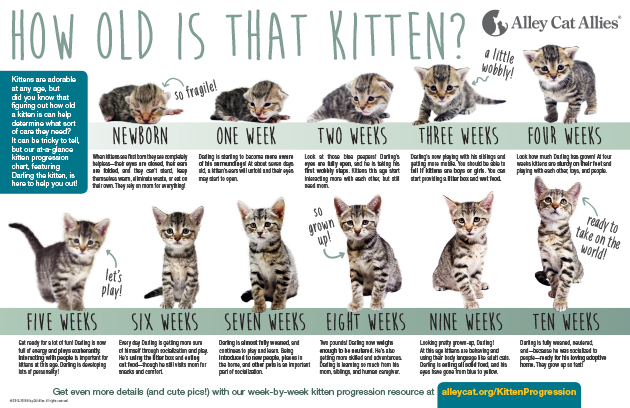
Credit: www.alleycat.org
Transition To Adulthood
Kittens usually become cats around one year old. By this age, they develop adult behaviors and physical traits. The transition marks their readiness for more independent life stages.
Transitioning from a playful kitten to a mature cat is a fascinating journey. This phase is more than just physical growth. It’s a time when your feline friend starts to show signs of independence and a change in behavior.
Physical Growth And Development
During the transition, you’ll notice your kitten’s body becoming more robust. Their limbs lengthen, and muscles develop, giving them a more adult-like appearance. Around six months, kittens often reach sexual maturity, marking a key milestone in their growth. It’s important to consider spaying or neutering at this stage to prevent unwanted litters and promote healthier behavior.
Behavioral Changes
As kittens become cats, their curiosity evolves into more calculated exploration. They may become less playful but more strategic in their antics. You might notice a shift in their social dynamics. They could seek your attention differently, opting for quiet companionship over energetic play.
Nutrition And Health Adjustments
Diet plays a crucial role in your kitten’s transition to adulthood. Adult cats require different nutrients than kittens. Adjusting their diet ensures they receive the energy they need without excess calories. Regular vet check-ups are vital during this phase. They help monitor your cat’s health, ensuring they’re growing properly and catching any potential issues early.
Emotional Maturity
Your kitten’s emotional maturity develops significantly during this transition. They might exhibit stronger bonds with you, showing affection in more subtle ways. Consider how you interact with them during this time. Are you encouraging independence while still providing the love they crave?
Creating A Supportive Environment
How can you help your kitten feel at ease during this transition? Providing a stable environment is key. Consider their needs for space, privacy, and interaction. Engage them with toys that stimulate both mind and body. This keeps them active and interested, supporting their growth into adulthood.
Understanding this transition helps you support your feline friend as they grow. What changes have you noticed in your kitten’s journey to adulthood? How have you adapted your care to meet their evolving needs?
Factors Influencing Development
Kittens usually mature into cats around 12 months of age. Their growth depends on diet, environment, and genetics. Each kitten’s development is unique, with factors like nutrition and care playing vital roles.
Understanding when a kitten becomes a cat isn’t just about counting months. Various factors influence this transition, making each kitten’s journey unique. From genetics to environment, these elements shape their development. Curious if your kitten’s progress is typical? Let’s delve into the factors that influence a kitten’s growth into adulthood.
Genetics And Breed
Genetics play a crucial role in determining when a kitten becomes a cat. Different breeds mature at different rates. For example, Maine Coons, known for their large size, often take up to four years to fully mature. In contrast, smaller breeds like Siamese cats might reach adulthood in just a year or two. Understanding your kitten’s breed helps set realistic expectations for their development timeline. If you have a mixed-breed kitten, you might notice characteristics from multiple breeds influencing their growth.
Nutrition And Diet
A balanced diet is vital for healthy development. Quality kitten food provides essential nutrients that support growth and bone development. When my kitten, Luna, showed slowed growth, a change in diet made a noticeable difference. Ensure you’re feeding your kitten age-appropriate food. Overfeeding or underfeeding can hinder their growth, affecting when they reach adulthood.
Environment And Socialization
The environment where your kitten grows up impacts their maturity. A stimulating environment with toys and interaction encourages physical and mental development. Socialization with other pets or humans can accelerate behavioral maturity. Think about your kitten’s surroundings. Are they engaging enough to promote learning and exploration? Providing a nurturing environment can make a significant difference.
Health And Veterinary Care
Regular veterinary check-ups are essential for monitoring your kitten’s growth. Health issues can delay physical and mental development. Vaccinations, deworming, and addressing any illnesses promptly help ensure a smooth transition to adulthood. Has your kitten been missing out on vet visits? Prioritize their health to avoid setbacks in their development.
Activity Level And Exercise
Physical activity is a crucial aspect of a kitten’s growth. Regular playtime helps build muscle and coordination. Active kittens often mature faster due to better physical development. Reflect on your kitten’s daily routine. Are they getting enough exercise to support their growth into a healthy adult cat? Understanding these factors can help you support your kitten’s journey into adulthood. Each kitten is unique, and observing their individual needs is key to ensuring they grow into happy, healthy cats.

Credit: www.purina.com
Frequently Asked Questions
What Age Is A Cat No Longer A Kitten?
Cats are no longer considered kittens at 12 months. At this age, they reach full maturity. They transition into adulthood, displaying adult behaviors. This is a crucial stage in their development. Owners should adjust care routines accordingly. Ensure proper nutrition and regular veterinary check-ups for a healthy adult cat.
What Is The 3-3-3 Rule For Cats?
The 3-3-3 rule helps cats adjust to new homes. Three days to feel safe, three weeks to settle, and three months to fully trust and bond. This timeline varies by cat, but patience and understanding improve the transition. Use this guide to ease your cat’s adaptation process.
At What Age Do Kittens Calm Down?
Kittens typically calm down between 6 months to 1 year old. They become more relaxed as they mature. During this period, their playful energy decreases, and they settle into a more stable routine. Proper care and attention help in nurturing their calm behavior.
Is It Okay To Give Kittens Away At 6 Weeks?
Kittens should stay with their mother until at least 8 weeks old. They need time for socialization and development. Separating them too early can lead to health and behavioral issues. Always ensure they are healthy and well-adjusted before rehoming. Consult a vet for guidance on proper kitten care and timing.
When Does A Kitten Become A Cat?
A kitten typically becomes a cat at 12 months. At this age, they reach physical and behavioral maturity.
Conclusion
Kittens grow quickly, reaching adulthood around one year old. Each kitten is unique, with development varying based on breed and health. Watch for changes like independence and physical growth. These signs indicate their transition from kitten to cat. This journey is exciting, filled with playful moments and learning.
Pet owners should provide love, care, and attention during this phase. It ensures a happy, healthy adult cat. Understanding these changes helps strengthen the bond with your feline friend. Enjoy every moment. The kitten phase is short but memorable. Cherish it while it lasts.

Hi, I’m Taylor Morgan, the heart behind CATWhisk! As a lifelong cat enthusiast with a passion for feline care and behavior, I focus on providing reliable, practical, and engaging advice to cat parents everywhere. From health tips to fun DIY projects, my mission is to help you and your whiskered companions live your best lives together.